Making Bathroom Heaters That Actually Make Sense
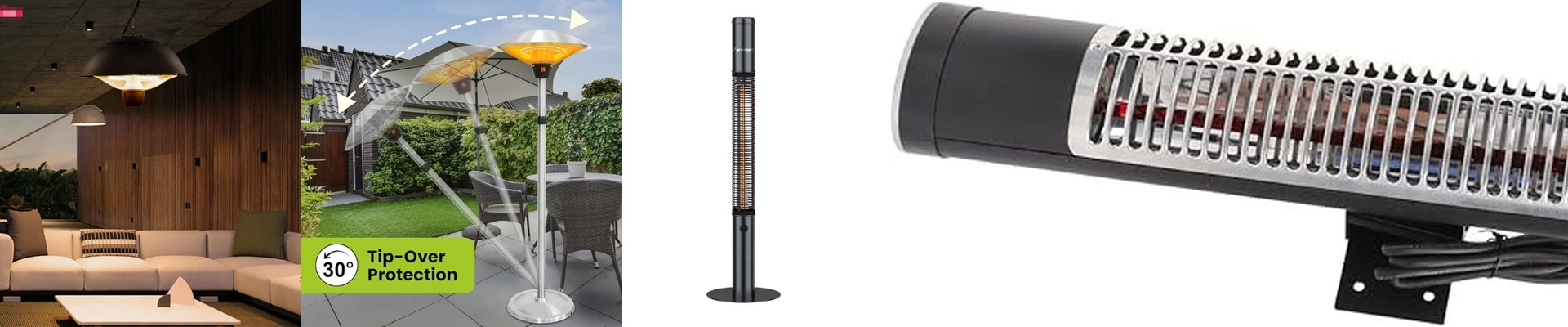
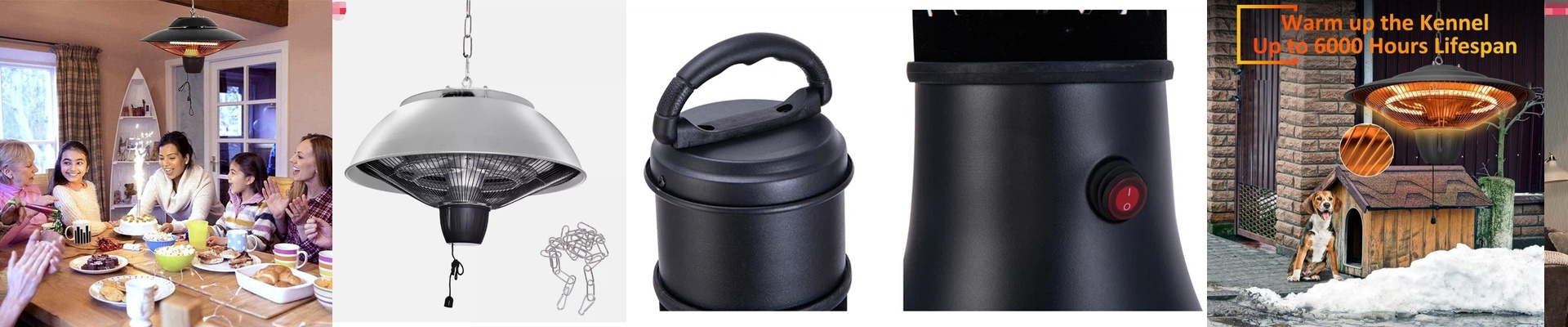
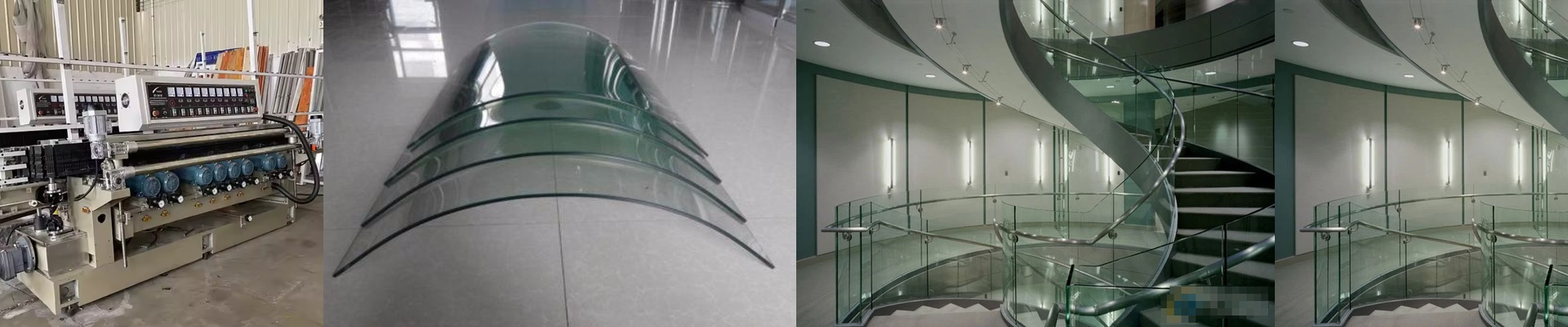
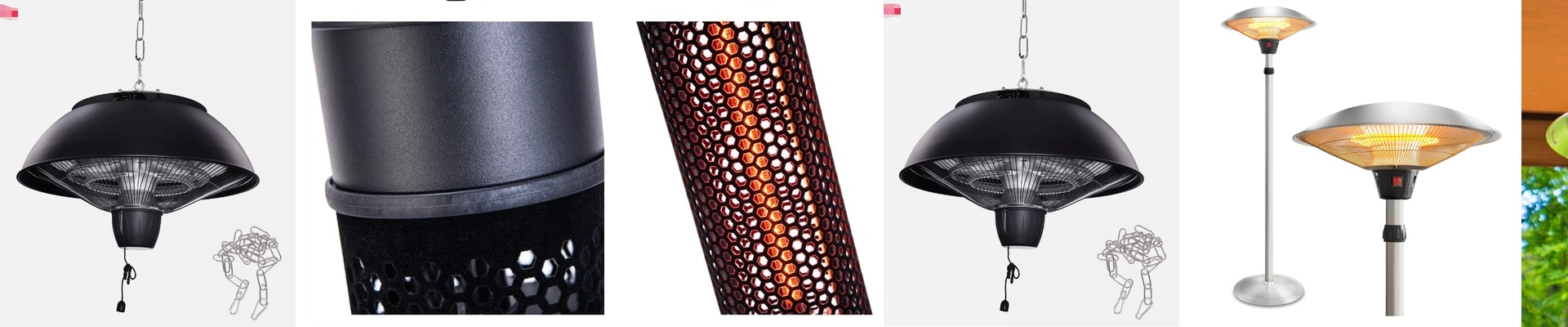
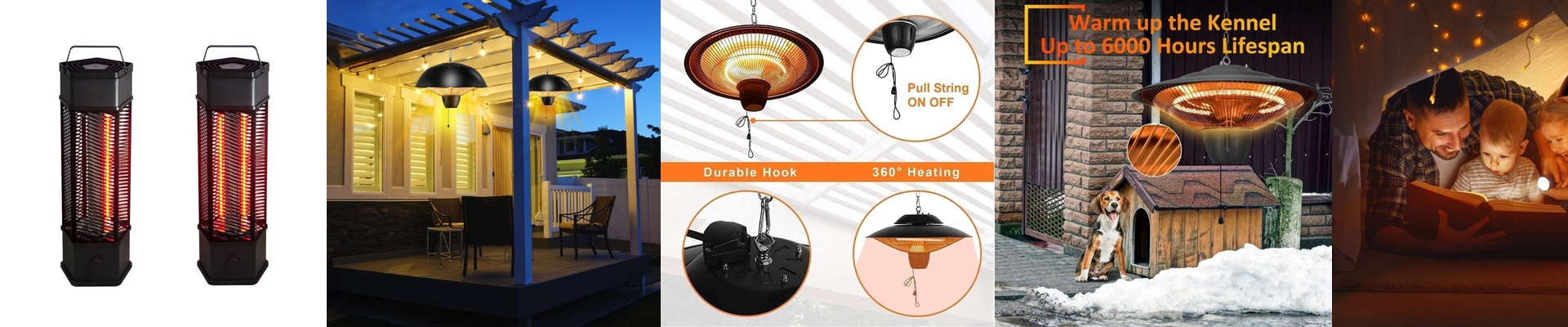
Let’s be honest: putting a heater in a bathroom is a bit of a nightmare from an engineering perspective. You’ve got steam everywhere, splashing water, and people—often half-asleep or holding a baby—standing right under it. That’s why we built our IP66 infrared heaters. We wanted something that wouldn’t short out the second things got steamy, but also wouldn’t blind you the moment you flipped the switch. The “Blinding Light” Problem If you’ve ever used a standard short-wave infrared lamp, you know the feeling. That harsh, blinding glare is a total mood-killer, and it’s actually pretty hard on the eyes. It’s especially worrying when you’re bathing an infant. To fix this, we added a special filter to the quartz tube. It basically trims away those aggressive light peaks but keeps all the cozy heat. You get the warmth without that “staring into the sun” feeling. Now, here’s the trade-off: the filter does dial back the raw heat intensity a tiny bit compared to a clear tube, but for a home bathroom? It’s a sacrifice worth making for the safety. Keeping the Water Out The IP66 rating is just a fancy way of saying these things are built like tanks. They can handle heavy splashes and steam without breaking a sweat. We use high-temp silicone gaskets and reinforced seals where the wires go in, so moisture doesn’t sneak in and fry the circuits. One quick tip: because the housing is sealed so tight, the internals can get pretty toasty. Just make sure your mounting bracket has some breathing room. If the air can’t move, the electronics might cook themselves. Getting Them Installed We designed these to be a simple drop-in for ceiling grids. No need to overcomplicate it. We use standard industrial connectors, so you can get the wiring done and get out of there quickly. The quartz glass is the real hero here. It’s toughened up to handle “thermal shock.” That means it can go from freezing cold to scorching hot in a few seconds without cracking. Just one thing to keep in mind for the big projects: keep an eye on your circuit load. These lamps pull a decent amount of power the moment they kick on, so make sure your wiring can handle the surge.