
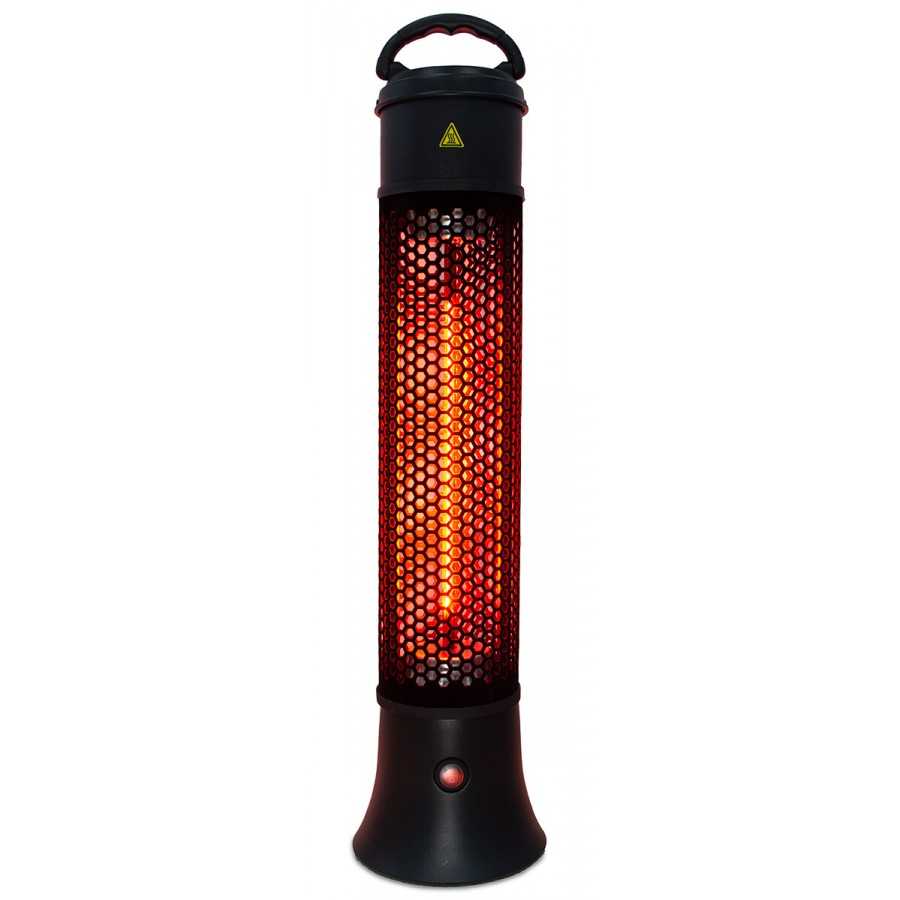
Making Outdoor Heaters That Actually Last
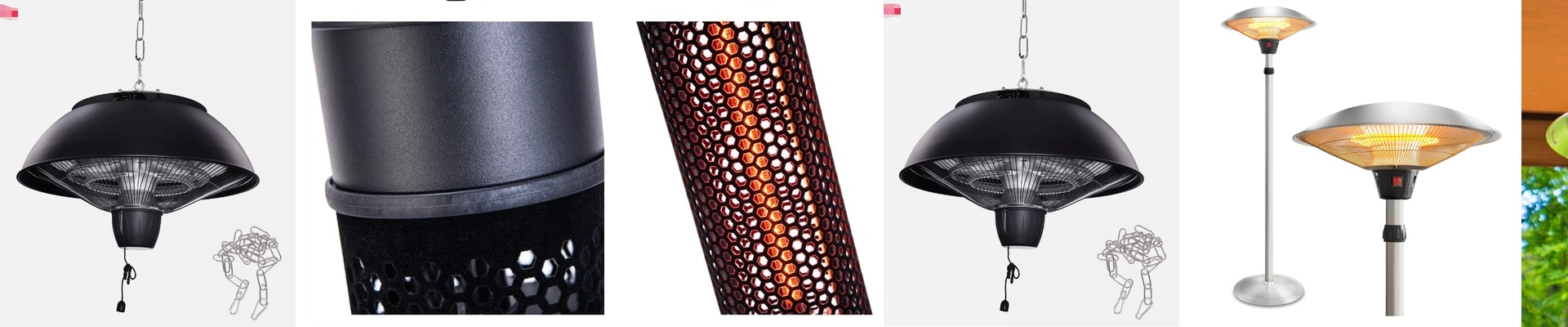
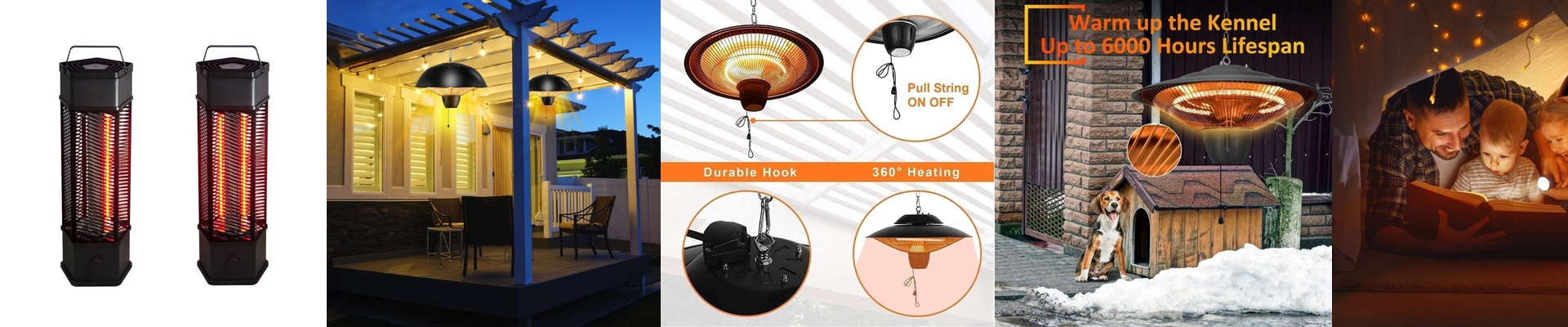
Outdoor heaters have a tough life. They spend their whole existence fighting off rain, dust, and grime. We make sure our heaters are IP65-rated to handle the weather, but here’s the real problem: what happens five years from now when a heating element finally gives up?
The headache of “sealed” units
Most heaters on the market are basically sealed boxes. When a tube burns out, you’re stuck. You either have to rip the entire housing apart or just throw the whole unit in the trash. It’s a waste of time and money. We decided to do things differently. We built a modular chassis. Instead of hard-wiring the heating element into the guts of the machine, we made it a plug-and-play module.
Swapping parts without the stress
The best part? You can pull out the heating element without ruining the waterproof seal. You don’t have to touch the control box or mess around with rewiring. You just slide the old tube out and drop a new one in. We used reinforced connectors that snap tight against the frame. It turns a job that usually takes hours into something you can do in a few minutes. If you’re looking after a big patio with twenty different units, that’s a massive amount of time you get back in your day.
Being honest about the trade-offs
Now, nothing is perfect. Using modular connectors does add a tiny bit of electrical resistance compared to a permanent solder joint. You lose a sliver of wattage, but honestly? It’s a tiny price to pay to avoid replacing the entire heater every time a filament snaps. The only thing you really have to watch is the gasket. If it gets pinched during the swap, you lose that waterproof protection. To fix that, we made the locking mechanism simple. You’ll hear a click.If it clicks, it’s sealed. It turns a stressful repair into a quick, routine part swap. Simple as that.