Introduction
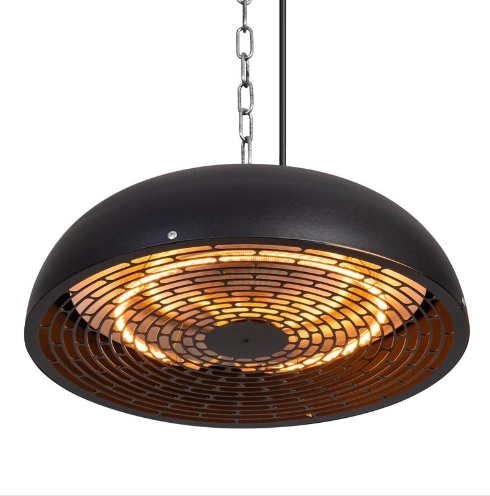
We built this outdoor garden heater because we got fed up with the reality of eating outside when the weather turns. You know the feeling—trying to enjoy a meal while the wind sneaks up your sleeves, or the noise of a forced-air heater blasting away. So we created something different. A shortwave infrared halogen heater that just gets on with the job. It throws intense, focused warmth right where you need it, so your guests stay cozy, and the electrical bits stay safe from rain and wind. Simple as that.
The Tech, Without the Jargon
This thing runs at 2500W, on a 400V supply. That high voltage isn’t just for show—it’s a smart move for commercial spots. It lets you run the heater on its own dedicated line, which means less strain on your power grid and less voltage drop over distance compared to a standard 230V unit. Then there’s the 300mm tube. It’s all about focus. That length creates a tight beam pattern, so the heat lands right on the tables, not wasted on warming the empty air around them.
What It’s Made Of
The heart of it is a halogen-filled quartz tube. It’s built to handle the constant on-off cycle of commercial use without burning out. The filament stays stable even at high heat, and the halogen cycle keeps the tube clear, so the heat stays consistent over time. We sealed the whole housing and used gasketed joints to hit that IP65 rating. That means rain and cleaning sprays just roll right off. The internal wiring stays dry, and the terminal blocks stay protected. And for the connection? We went with the R7s standard. It’s a high-temp, secure link that’s easy to wire up and even easier to service on site.
How It Actually Works for You
Imagine running an open-air restaurant. You install this, point it where you want, and it just works. The infrared heat warms people and surfaces directly, not the empty space above. So you keep the seating area comfortable without turning the kitchen or bar into a sauna. A heads-up, though—this is a 2500W unit, so it packs a punch. You’ll want to plan your mounting height and clearance carefully. Position it right, and the beam covers the seating zone without creating hot spots on nearby surfaces. The result? You keep your outdoor space usable, seats filled, and tables turning—even when the temperature drops.