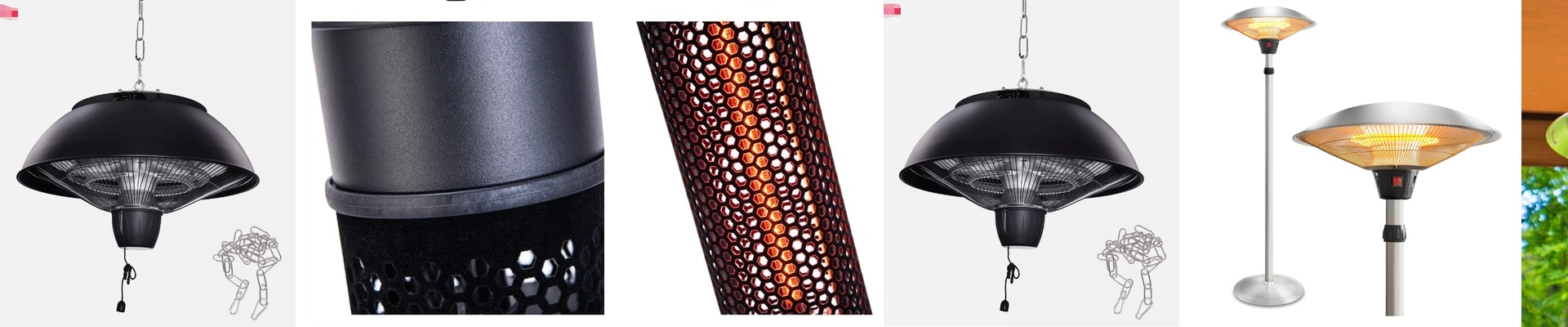
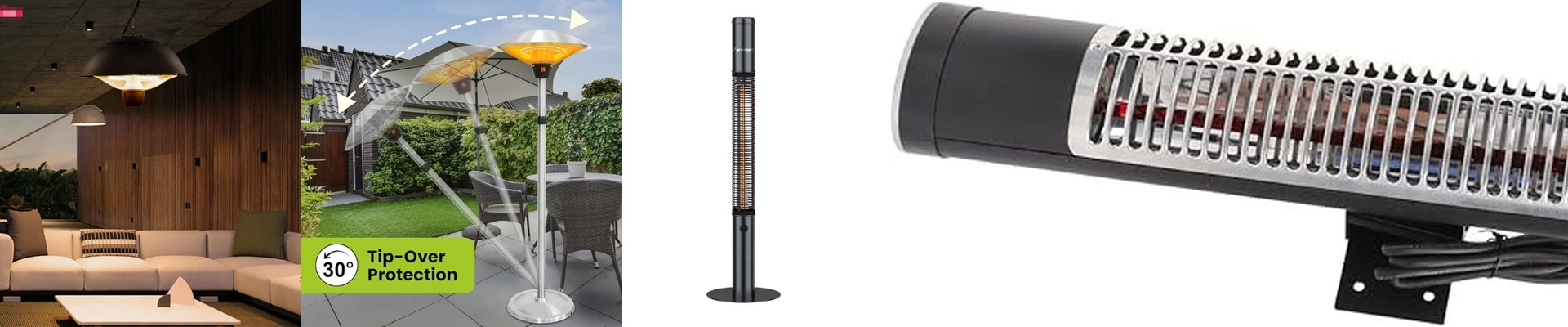
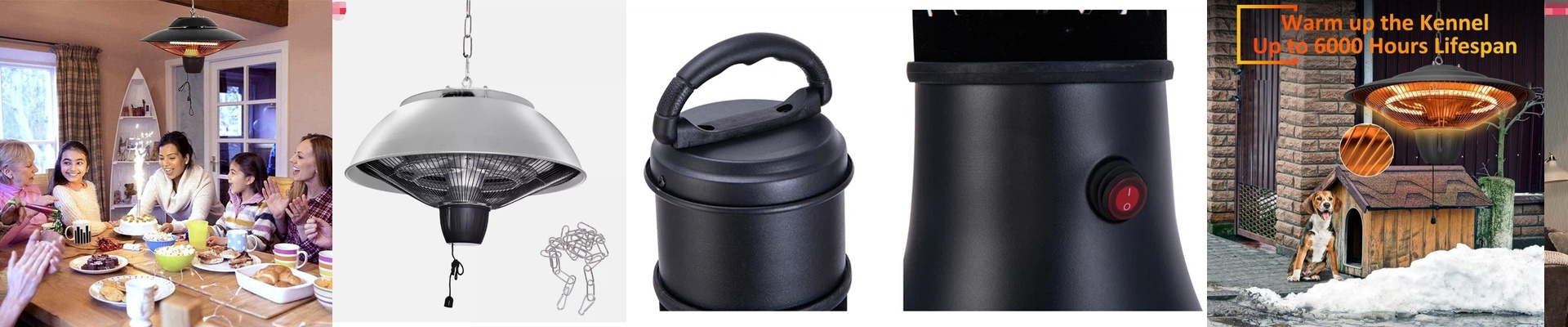
Why You Actually Need Explosion-Proof Quartz Tubes in the Bathroom
Let’s be honest: bathrooms are a nightmare for electronics. You’ve got steam everywhere, constant humidity, and wild temperature swings. Imagine a heating lamp running at 600°C. Now imagine a single, stray drop of cold water hitting that surface.**Pop.**That’s thermal shock. The glass can’t handle the sudden change and it just shatters. It’s messy, it’s dangerous, and it’s exactly why we use explosion-proof quartz.
The science (without the boring part)
Quartz is tough, but it has its limits. In a steamy shower, water condenses on the tube. When a drop hits the hot housing, that one tiny spot shrinks way faster than the rest of the glass. That tension is what causes the burst. To stop this, we add a specialized protective coating. Think of it as a thermal cushion. It slows down the “shock” of the cold water hitting the hot glass, which keeps the tube intact and your bathroom floor clear of shards.
What’s under the hood?
We use high-purity silica quartz for the core. The reason? It lets infrared heat pass straight through. This means the warmth hits you—where you actually want it—instead of soaking into the fixture and overheating the ceiling. We also put a lot of focus on the end-caps. If the seal isn’t airtight, moisture creeps into the filament chamber. Once that happens, the lamp is toast.
A few things to keep in mind during install
Here is the thing: these tubes getintense. If you mount them too close to a plastic ceiling or some cheap PVC, you’re going to see that material warp or melt. Give them some breathing room—at least 200mm from anything that could catch fire or melt. And a quick tip on your vents. The coating stops the glass from breaking, but it doesn’t stop physics. If your ventilation isn’t up to the task, you’ll end up with condensation dripping down your walls. Make sure your fan can keep up with the heat.