
Why Explosion-Proof Quartz is the Safety Standard
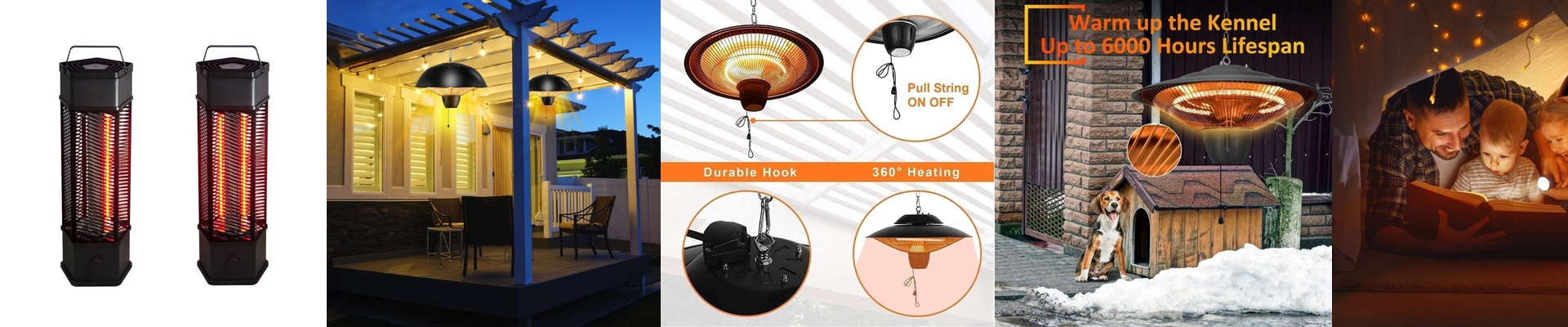
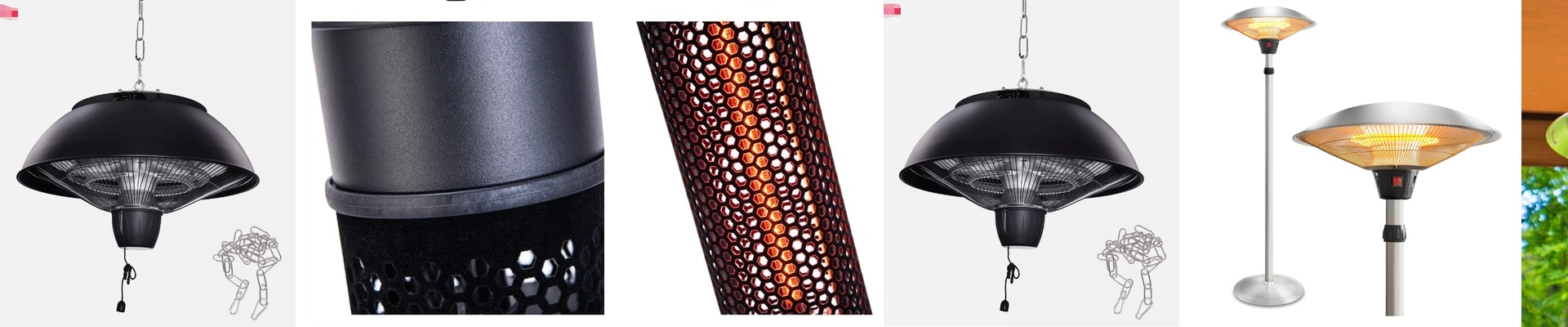
Let’s talk bathroom heat. You want warmth, fast. But in a space that’s constantly wet and steamy, safety has to come first. Standard heaters just aren’t cut out for that kind of environment. So we built this infrared lamp to handle it. The heart of it is the explosion-proof quartz tube. Here’s the thing—if something goes wrong inside, like an arc or a filament failure, the tube contains it. It won’t burst and ignite the air around it. That’s peace of mind, plain and simple. It’s more than just stopping a spark. It’s about staying solid when the temperature jumps around. The quartz glass handles those sudden shifts without cracking. And with an IP55 waterproof rating, you know the electrical parts are shielded from sprays and steam. Together, they create a reliable barrier that keeps things from going sideways.
Core Material and Design Logic
The explosion-proof rating comes down to the quartz tube itself—its wall thickness and how it contains pressure. Inside, you’ve got a tough, halogen-filled filament, built for high-intensity infrared output. This is why it heats up so quickly—we’re talking under 3 seconds to hit full operating temperature. Then there’s the R7s connector. It’s the standard for this type of linear tube, giving you a secure, two-point electrical contact. It handles the high current without getting hot at the terminals, and the spacing is designed for proper thermal clearance. And the best part? It’s a direct, drop-in replacement for any fixture that already uses an R7s socket. No re-engineering. No hassle. Just swap it in and you’re good to go.
Specs, Output, and Real-World Constraints
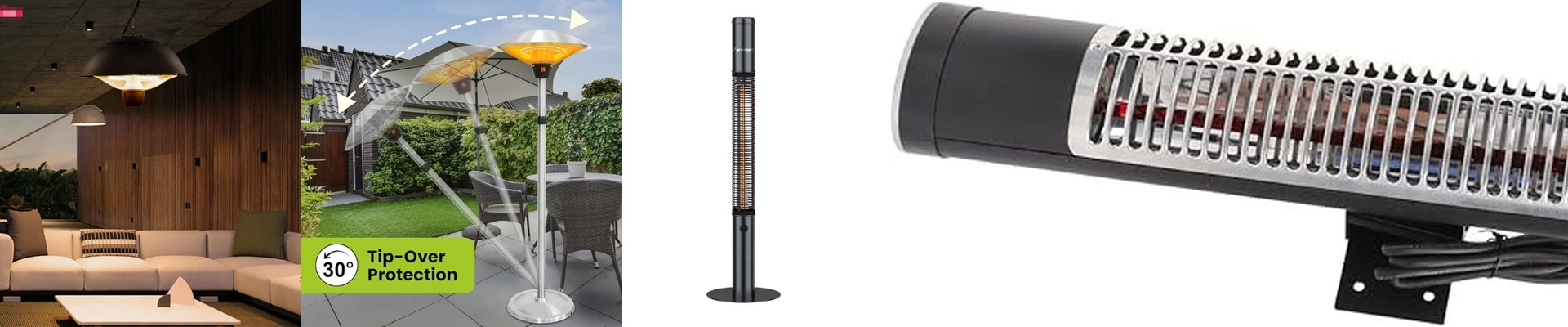
We built these heaters for serious power. A typical unit runs at 2500W on a 400V line. That kind of heat density is what you need to warm a space quickly, not slowly. But with that power comes a little reality check. You need proper ventilation. If you cram this into an enclosed fixture with no airflow, you risk overheating the socket and wiring insulation. So plan for airflow—it matters. For bathrooms, this setup gives you fast, localized heat without exposing the heating element to the air. The infrared beam warms people and surfaces directly, not the air itself. That means less condensation and a more stable electrical environment. It’s just a smarter, safer way to get warm.