Stop Letting Your Patio Go To Waste in the Winter
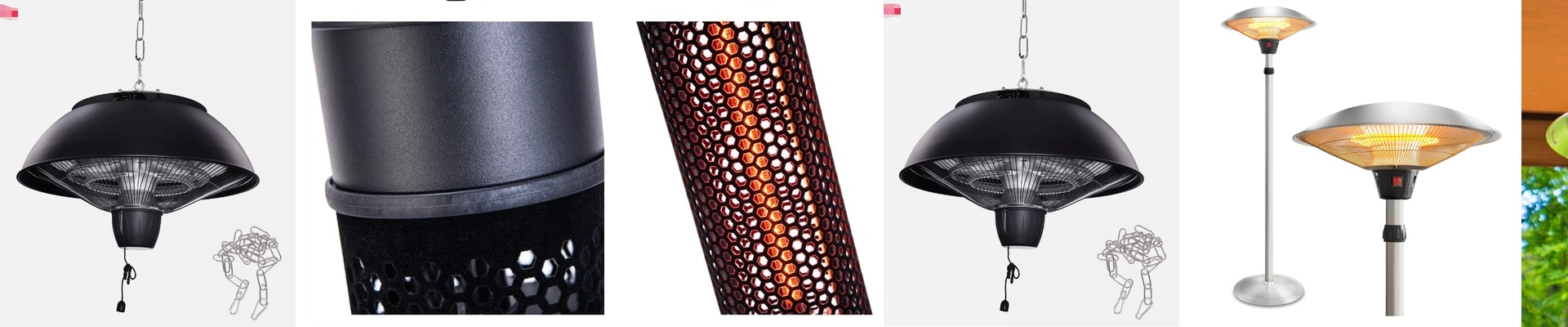
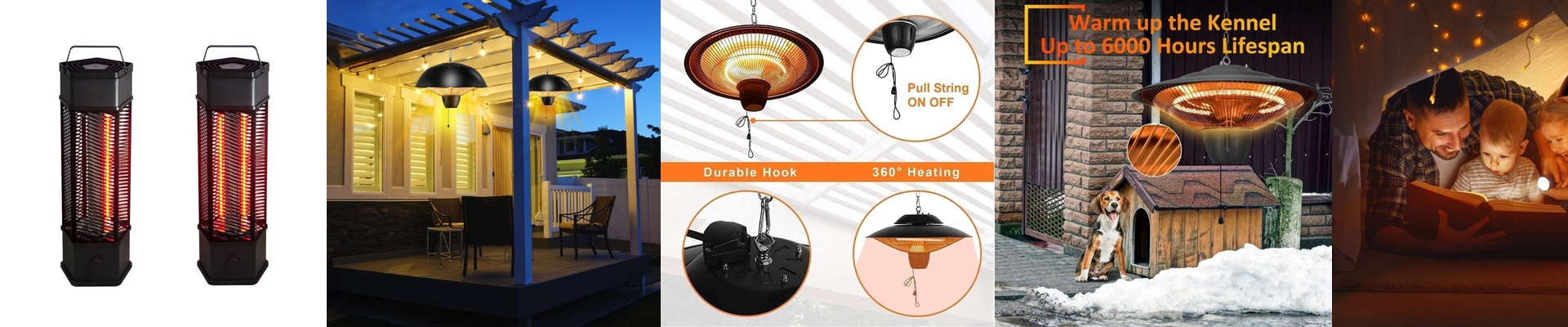
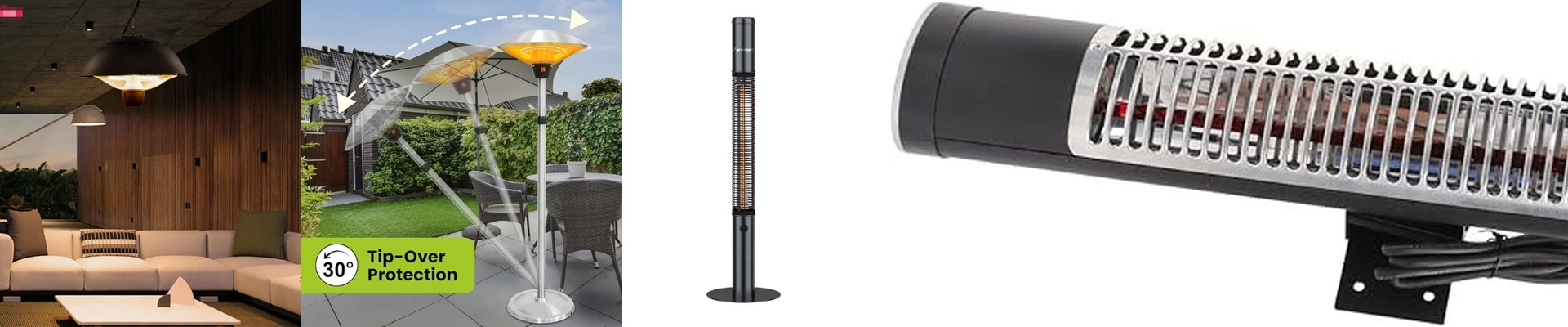
It’s a bummer watching those outdoor tables sit empty the second the temperature drops. Most people try to fix this with forced-air heaters, but let’s be honest: trying to heat the outdoors with a fan is like trying to fill a bucket with a hole in the bottom. You’re basically just heating the wind. That’s why we use ceiling-mounted infrared heaters. Instead of fighting the breeze, these units beam heat straight down onto your guests and their drinks. It feels like standing in a patch of sunlight on a chilly day. Your customers stay warm, and you aren’t throwing money away trying to warm up the entire neighborhood. Getting the heat right The trick is all in the placement. Since the heat travels in a straight line, you want to create these cozy “zones” over your tables. When people aren’t shivering, they relax. They stay for another round of drinks. They order dessert. It’s a simple shift, but it makes a huge difference in how much money a table brings in per night. A few things to watch out for You can’t just slap these on the ceiling and hope for the best. If you mount them too high, the heat disappears before it hits the guest. Too low? You’ll have people complaining that their heads are roasting while their feet are freezing. We usually suggest a staggered grid so there aren’t any “cold pockets” where people feel the draft. Also, a heads-up on the electrics: these things are hungry for power. You’ll need a dedicated circuit. If you try to piggback too many heaters onto one line, you’re going to be tripping breakers right in the middle of a Friday night rush. Definitely check your panel before you start drilling. Is it worth the cost? Think of it as buying back your season. If you can keep your patio open for an extra three or four months, the gear usually pays for itself before the first snowfall is even gone. Just remember that radiant heat is directional. If a customer slides their chair three feet to the left, they’re back in the cold. You can’t just buy one giant, powerful heater and call it a day. It’s much better to have a network of smaller units spread out strategically. That way, the warmth is consistent, and your guests actually want to stay.