


Making a 1500W Outdoor Heater That Actually Lasts
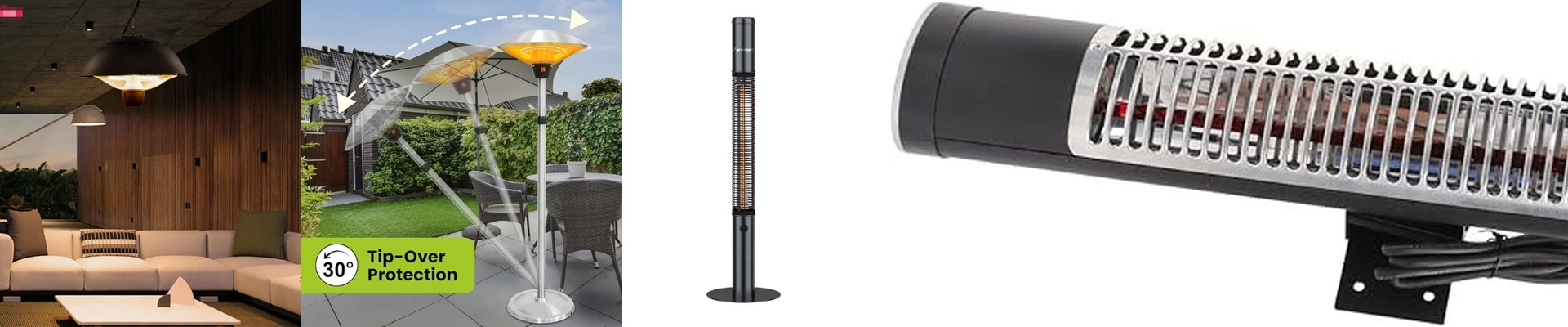
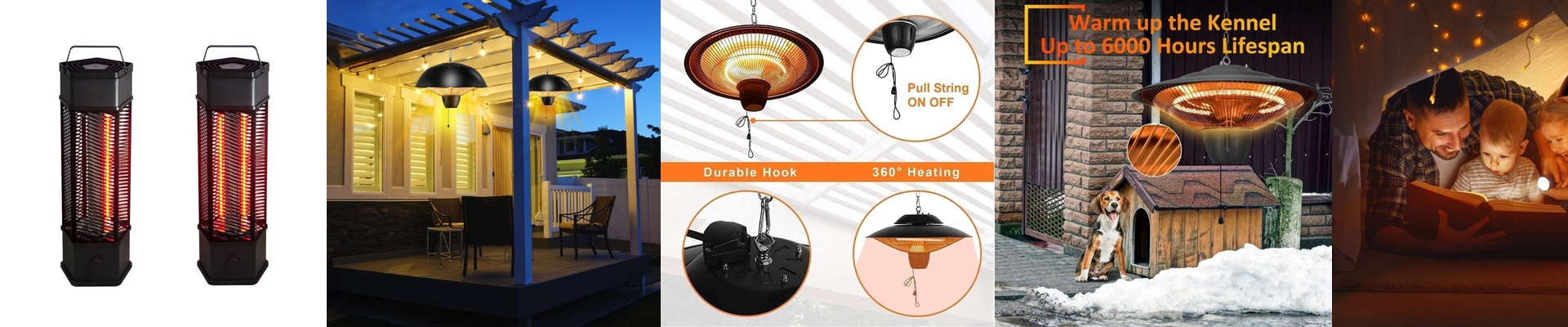
When you’re building a 1500W heater for a gazebo, you can’t just treat it like a living room appliance. Outdoors, everything is harder. You’ve got humidity creeping in and temperatures swinging wildly from noon to midnight. There’s a huge difference between a heater that looks good on a spec sheet and one that actually survives a winter on a porch.
Power that hits where it matters
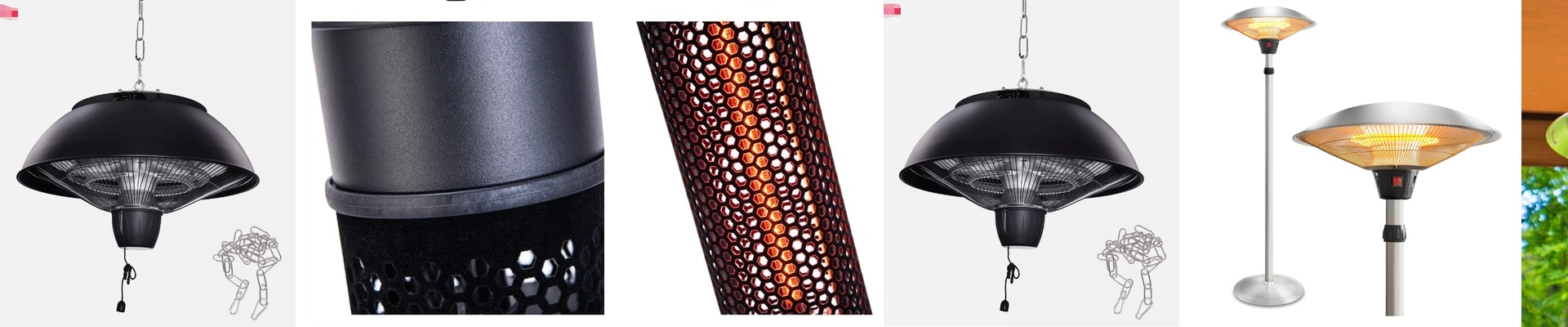
We went with 1500W for a reason. It’s the sweet spot. It gives you that instant, cozy warmth without blowing every breaker in your house. We use short-wave infrared, which is a bit of a magic trick. Instead of trying to heat the air—which is pointless in an open gazebo because the heat just floats away—it beams energy directly onto you. You feel it immediately. But there’s a catch. That much heat in one spot makes materials expand and shrink. If the mounting bracket isn’t built for that constant “breathing,” it’ll eventually warp or snap. We make sure ours can take the heat.
The “Torture Test”
Most of these heaters don’t die because of the heat. They die because of the damp. Moisture finds its way into the housing, eats away at the connections through oxidation, and then—pop—you’ve got a short circuit or a dead element. It’s frustrating. To stop that, we put our batches through what I call the torture test. We soak them in extreme humidity and heat for 96 hours straight. We’re basically trying to break the thing in the lab so it doesn’t break on your ceiling. If a seal leaks or a piece of plastic softens too much? We scrap the design and start over.
A few things to keep in mind
Here is the honest truth about installation: you need stable power. If you try to daisy-chain a bunch of these on thin wires, you’ll get voltage drops. That means your heater won’t actually get as hot as it should. If you’re installing more than one, just run dedicated lines. It’s a bit more work upfront, but it saves you from tripping the breaker every time you want to stay warm. And please, watch your spacing. These things put out a lot of energy. Give the roof of your gazebo some breathing room so you don’t accidentally scorch your ceiling.