Stop Letting Your Patio Go to Waste This Winter
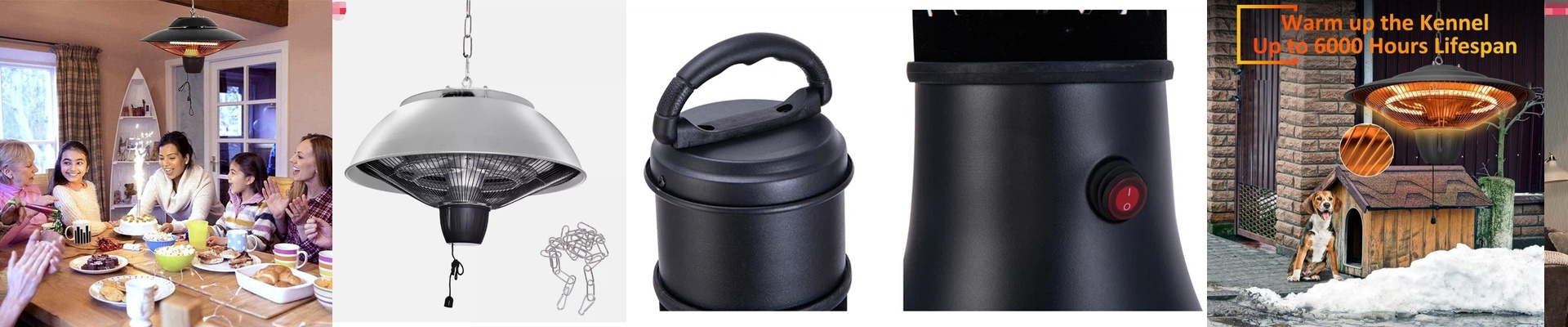
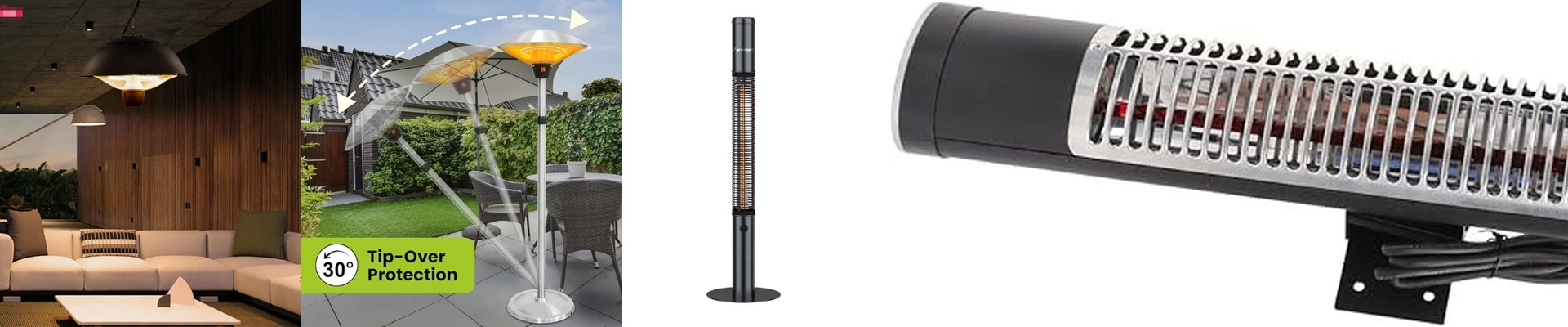
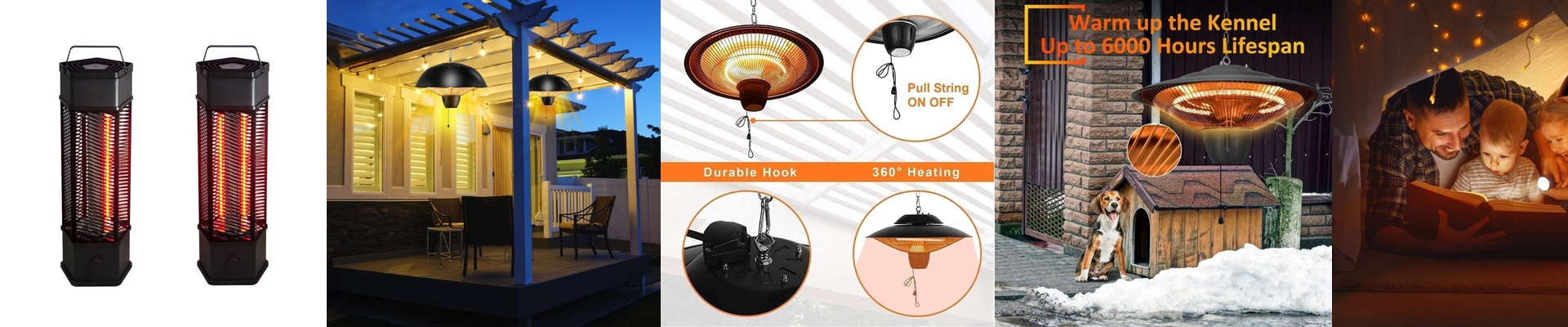
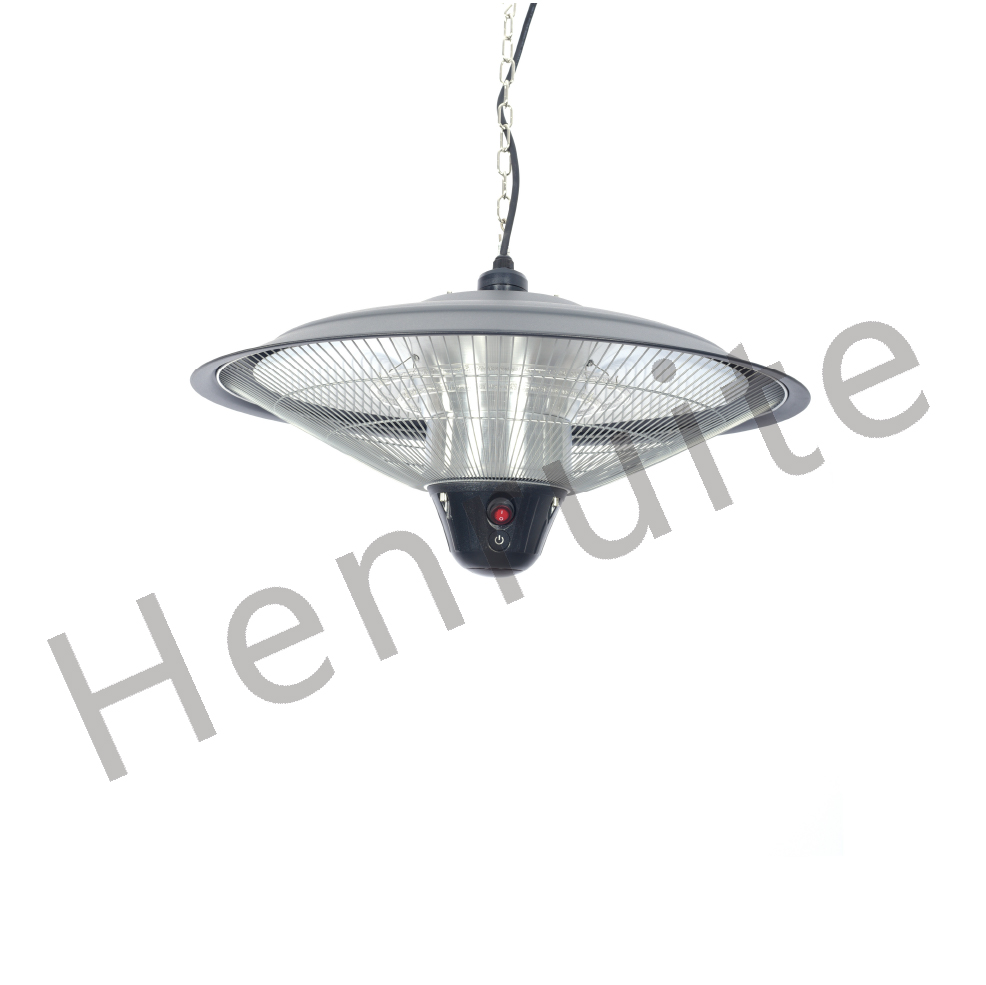
It’s a classic problem. You’ve got a great outdoor space, but the second the temperature drops, those tables just sit there. Empty. Most people try to fix this with standard space heaters, but here’s the thing: trying to heat the “air” outdoors is a losing battle. The wind just carries the warmth away before it ever reaches your guests. That’s why we use shortwave infrared. Instead of fighting the wind, these heaters beam warmth directly onto people and furniture. It feels like sitting in the sun. Even if there’s a breeze or a bit of drizzle, your guests stay cozy, and your pergola stays open for business.
Built to Handle the Rain
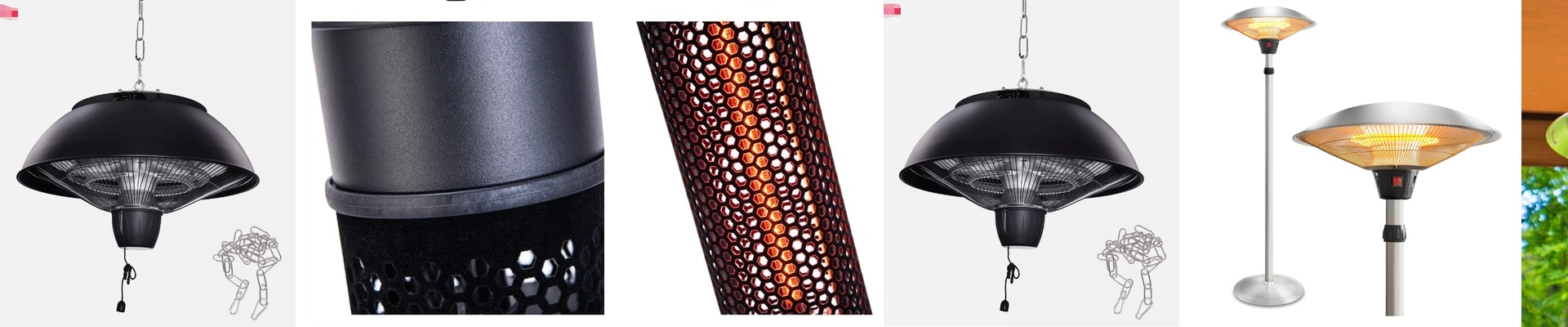
If you’re putting these outside, you can’t just use any heater. Water and electricity don’t mix. We use units with high IP ratings—which is really just a fancy way of saying they’re sealed tight. Cheap heaters corrode or short out the moment a storm hits. These ones are built to take a beating from the weather without giving up on you. And we stick with shortwave emitters for a reason. They’re instant. Your guests sit down, they feel the heat immediately, and they’re happy. If you use longwave heaters, they take forever to warm up. In a fast-paced restaurant, you don’t have time to wait for the air to “eventually” get warm.
The Nitty-Gritty of Installation
Before you start drilling holes, you’ve got to look at your power. These arrays pull a lot of juice. If you just plug them into whatever outlet is nearby, you’re probably going to trip a breaker right in the middle of the Friday night rush. Not a great look. We usually suggest dedicated circuits just to keep things smooth. Then there’s the height. It’s a bit of a balancing act. Mount them too high, and the heat thins out before it hits the table. Mount them too low, and your guests will feel like they’re sitting under a heat lamp at a buffet. You have to find that sweet spot.
Is It Actually Worth the Money?
Here is the bottom line: when people are warm, they stay. If you can bump the temperature of your patio up by a few degrees, you’ll see more people sitting there. And when they’re comfortable, they don’t rush off. They order another round of drinks. They order dessert. The hardware pays for itself pretty quickly just by filling those extra covers during the off-season.