


Introduction
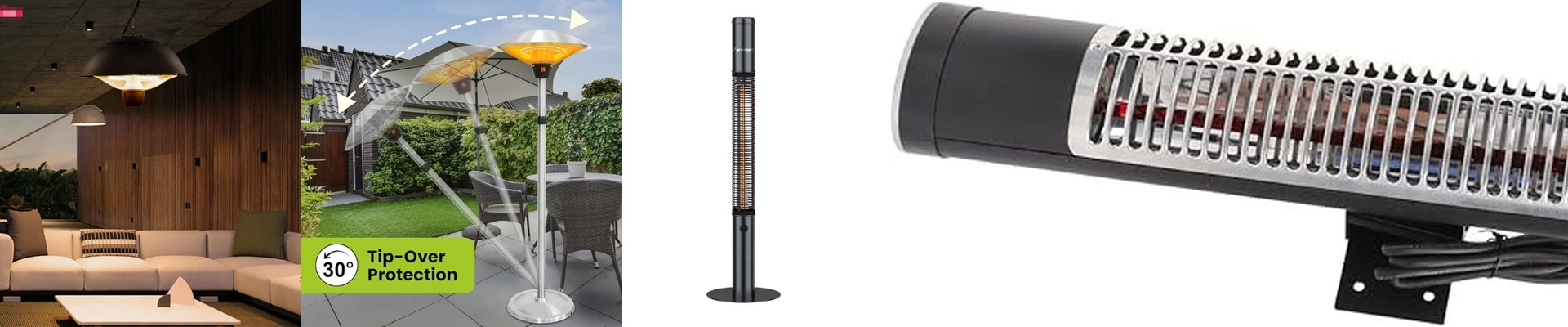
We built this ceiling-mounted infrared heater for industrial spaces where every minute of downtime costs you. The whole idea? Keep things running with focused heat right where you need it—and make the hardware easy to service when the heat finally goes off. It’s built around a modular heating tube. Swap it out in minutes, not hours. Seriously.
Power, Voltage, and the Space It Takes
This thing is dense. It runs at 400V, pushing 2500W through a compact 300mm tube. That combo gives you serious heat in a small footprint, so you can mount it overhead without trying to warm the whole room. The short tube keeps the beam tight. You’re aiming energy at the target—machine parts, process zones, or a local work area—not spraying heat everywhere. Here’s the trade-off: that much heat density raises the temperature around the heater. So you need solid ventilation and cooling for nearby equipment. Plan your airflow before you even think about wiring.
What It’s Made Of: Halogen, Coating, and the R7s Base
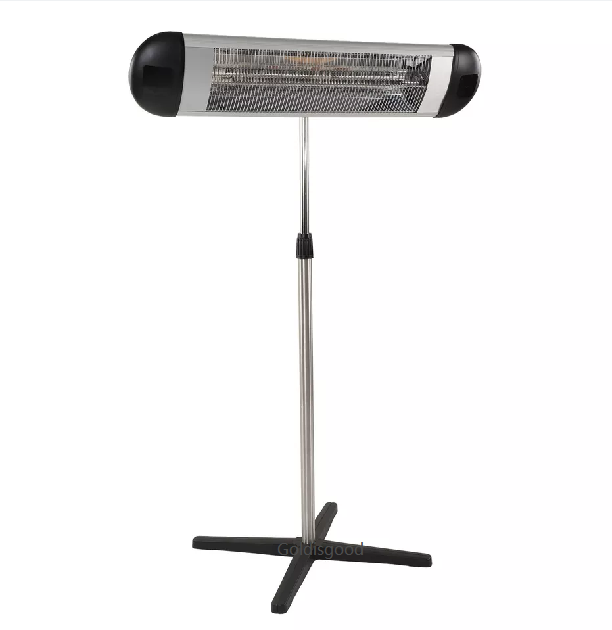
Inside, the heating tube has a halogen-filled quartz envelope. That helps stabilize output and keeps the filament protected. A reflective coating on the tube pushes more energy forward, so less heat goes to waste and performance stays steady over time. And the connector? It’s an R7s base—an industrial standard that handles the load and makes the tube a true drop-in replacement. The modular thinking doesn’t stop at the tube. The mounting bracket and wiring housing are arranged so you can unclip the old tube and snap in the new one—no need to tear apart the ceiling fixture.
What It Feels Like on the Floor
When a tube finally burns out after years of use, you don’t pull the whole heater. You swap the tube, check the connections, and get the line moving again. Fast. For engineers, that means service windows you can actually plan for, fewer spare parts tied up, and way less labor for each intervention. The ceiling mount keeps the heater out of the way while concentrating heat where it matters. And the modular tube turns maintenance from a system overhaul into a routine swap.