Keeping it Warm (and Safe): The Truth About Recessed IR Heaters
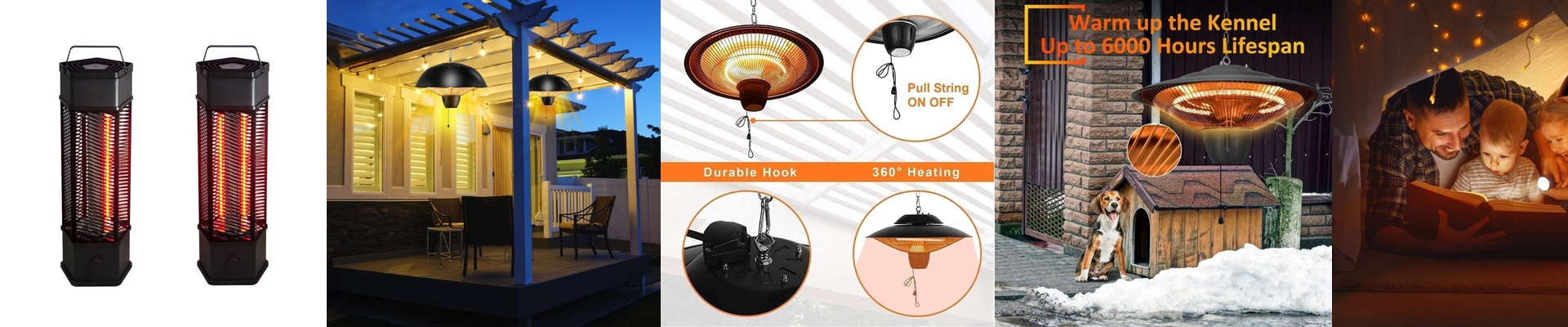
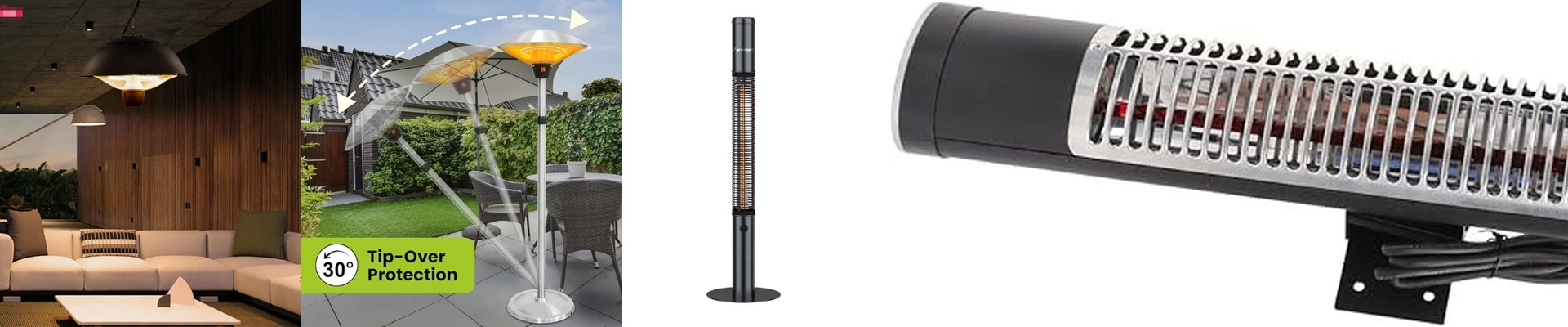
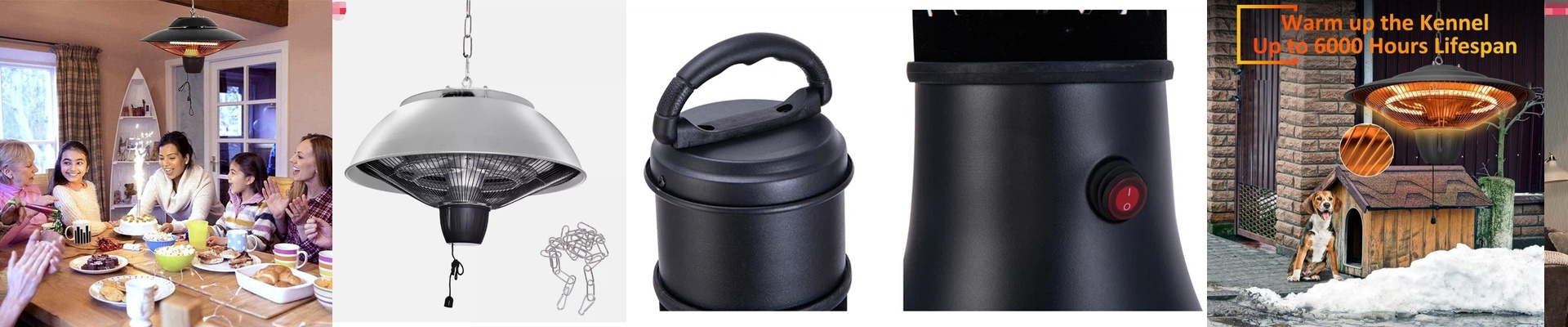
When you’re putting infrared heaters in a bathroom ceiling, you’ve got a tricky balance to strike. You want that deep, cozy heat, but you don’t want the room to feel like a tanning salon. This is especially true if there are babies or kids around. In those cases, what the lamp actually puts out is way more important than just the wattage on the box. The glare problem Ever looked at a standard short-wave lamp and felt like you were staring into the sun? It’s blinding. To fix that, we use specific quartz envelopes and filtered coatings. Think of it as a shield. These filters block out that harsh, white light that strains your eyes, but they let the warmth slide right through. You get the heat on your skin, but the light stays soft and mellow. Fitting it into the ceiling Since these are recessed, things get tight. We use high-purity quartz tubes to make sure the heat actually moves where it needs to go. But here is the catch: these lamps live in a ceiling cavity. If you don’t leave enough room for air to move, the housing is going to bake. And when the housing overheats, your lamp dies a lot sooner than it should.Don’t skimp on the ventilation gaps. Trading brightness for safety Here’s the deal: when you add those eye-protection filters, you lose a bit of that “instant-on” blinding brightness you see in cheap halogen lamps. Is that a bad thing? Not in a bathroom. I’d take a soft glow over a retinal headache any day. Safety wins every time. A few pro tips for the install First, put these on their own dedicated circuit. You don’t want to be tripping breakers. Also, make sure your reflectors are polished aluminum. You want those IR waves pushed straight down toward the floor, not leaking into your ceiling joists. It keeps the heat where the people are and keeps your house safer.