
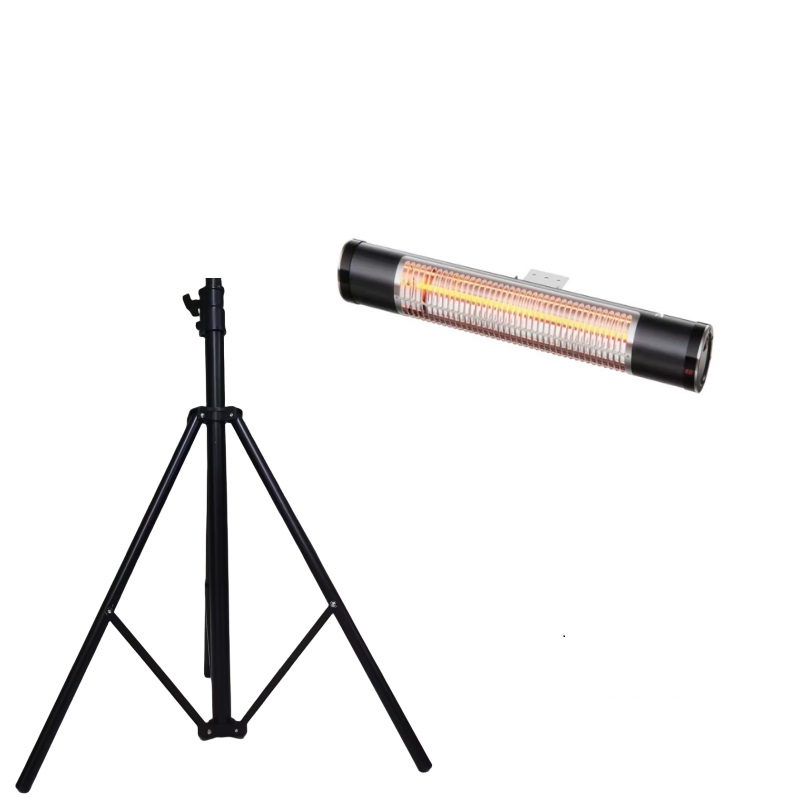
How to Actually Size an Infrared Heater for Your Bathroom
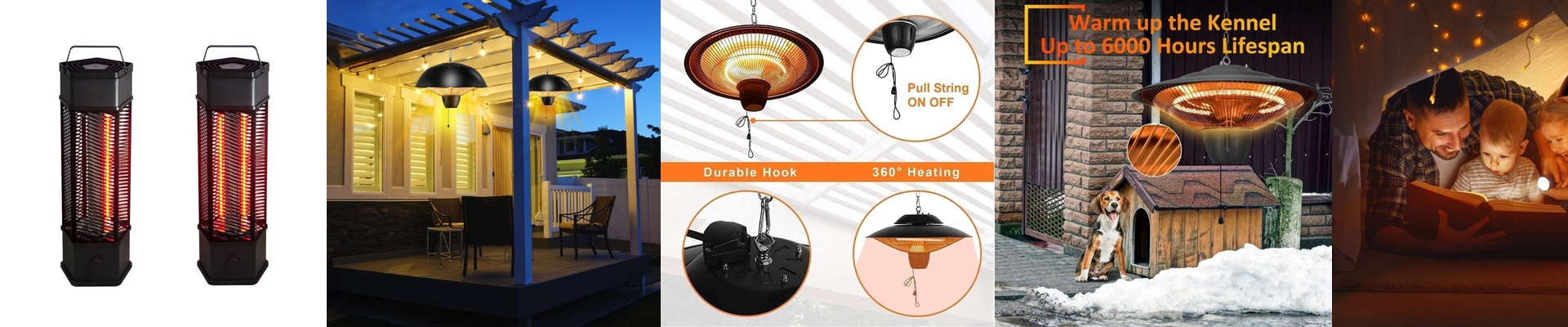
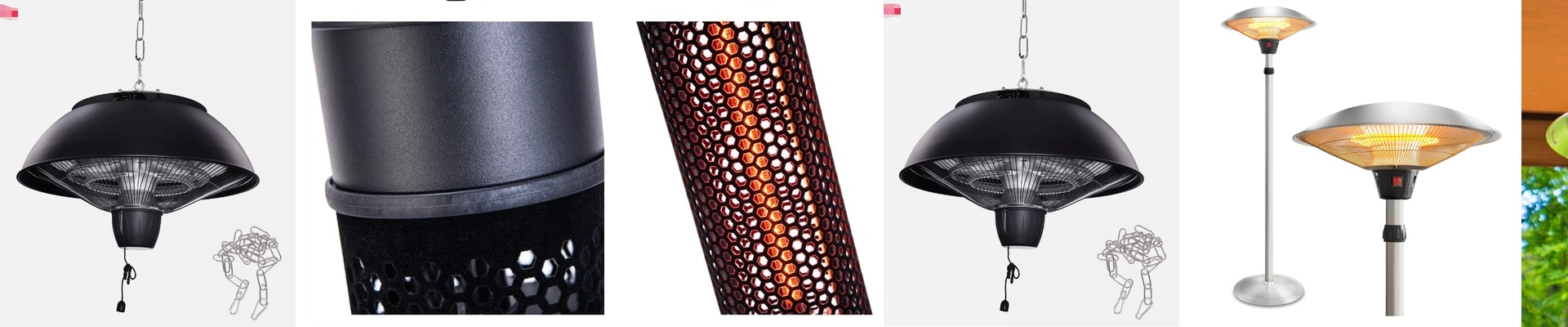
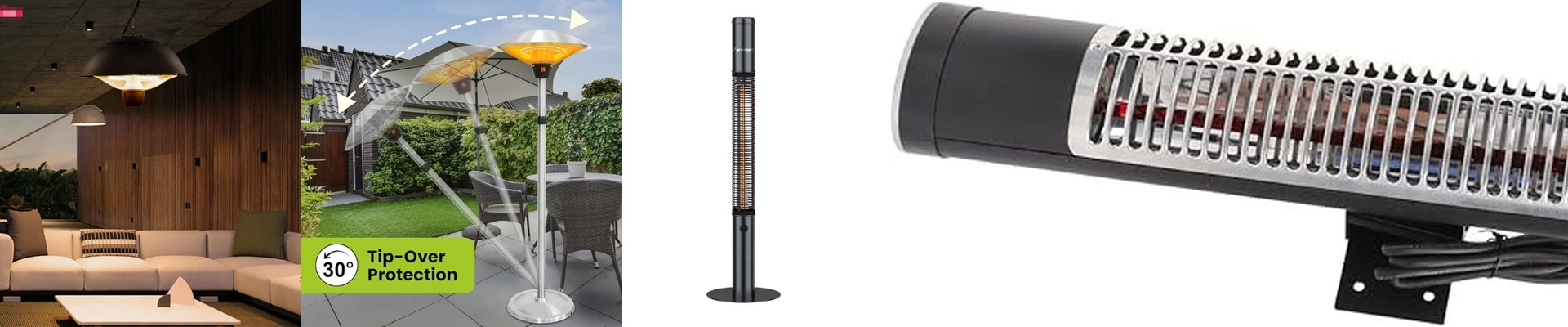
Let’s be honest: nobody likes stepping out of a hot shower into a freezing bathroom. But if you just grab the most powerful heater you can find, you’re going to end up turning your bathroom into a sauna—and wasting a ton of money on your electric bill. The trick is matching the wattage to the actual size of your room. Picking the right power You can’t just wing it here. If you’ve got a tiny powder room (anything under 4m²), stick with something small, maybe 250W to 400W. If you throw a massive 1000W unit in a space that small, the thermostat will just click on and off constantly. It’s annoying, and it’ll burn out your lamp way faster than it should. For those mid-sized bathrooms (between 5m² and 10m²), 600W to 800W is usually the sweet spot. Now, if you’re dealing with a huge master bath or a wide-open wet room over 12m², you’ll need the heavy hitters—1000W or more. In those big spaces, I’d actually suggest using a few smaller heaters spread out. That way, you don’t end up with one scorching hot spot and a freezing corner. Where you put it matters Here is the thing about infrared: it doesn’t really “heat the air.” It’s more like sunlight. It travels in a straight line and warms up whatever it hits—like your skin or the floor. Because of that, keep an eye on your ceiling height. If your ceilings are higher than 2.8 meters, a low-wattage lamp is just going to lose its punch before it even reaches you. You’ll need more power to make sure you actually feel the warmth by the time it hits the floor. The energy trade-off Sure, higher wattage means the room feels warm almost instantly. But there’s a catch. If you wire a bunch of 1000W lamps into one circuit, you’re basically asking your breaker to trip the moment you turn them all on. It’s a headache you don’t want. My advice? Use a dimmable controller. It lets you install a high-capacity lamp but run it at maybe 60% power. You still get the warmth you need, your electricity bill stays reasonable, and the lamp lasts much longer. Just do yourself a favor and double-check your wiring gauge before you start scaling up the power. It’s a small step that saves a lot of trouble later.