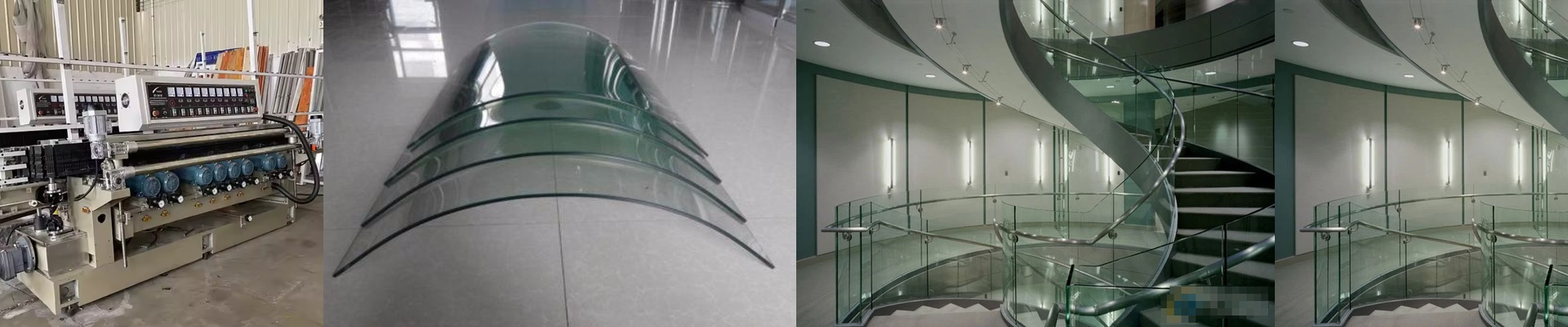

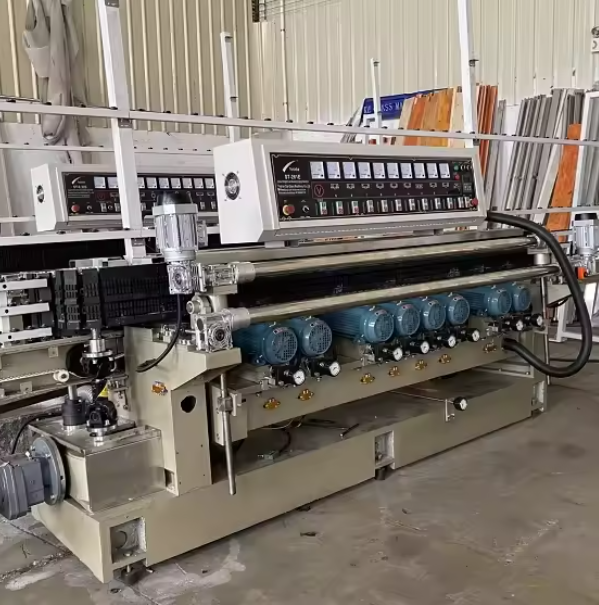
On the line, a tempering furnace or bending oven can’t handle uneven heat. One cold spot, and you’re staring at stress fractures. One hot edge, and you lose flatness tolerance. We build Industrial glass heaters for the factory floor, where yield, repeatability, and uptime are measured in tons per shift. What matters under the hood We stick with quartz-tube short-wave infrared elements. They respond fast, pack high power density, and stay tight on control. Standard modules run 240–480 V, 3–24 kW, in lengths that drop into common oven zones. The heater face is shaped for a uniform thermal field, so you don’t fight gradients that drive thermal stress in tempered and bent glass. Integrated mounting brackets and terminal boxes mean you can swap them in without reworking the machine layout. Why this plays in our world In tempering, the heating curve has to be fast and even to hit surface compression without warping. In bending, consistent heat across the mold keeps spring-back in check and protects optical quality. In lamination and coating drying, controlled, rapid heating shortens dwell time and pushes throughput—without scorching films or delaminating stacks. These heaters trim cycle time, steady quality, and cut energy draw per part by keeping the thermal profile tight and repeatable. The shop-floor details Clearance matters. Quartz elements are efficient, but they need proper spacing and airflow; otherwise you get localized overheating and premature element fatigue. Verify voltage, connector type, and zone dimensions before ordering. And when you replace OEM modules, match emissivity and control response so the PID loop stays stable. Line up the swap for a scheduled stop, and you’ll see the difference on the next run sheet—uptime, scrap rate, and energy use.