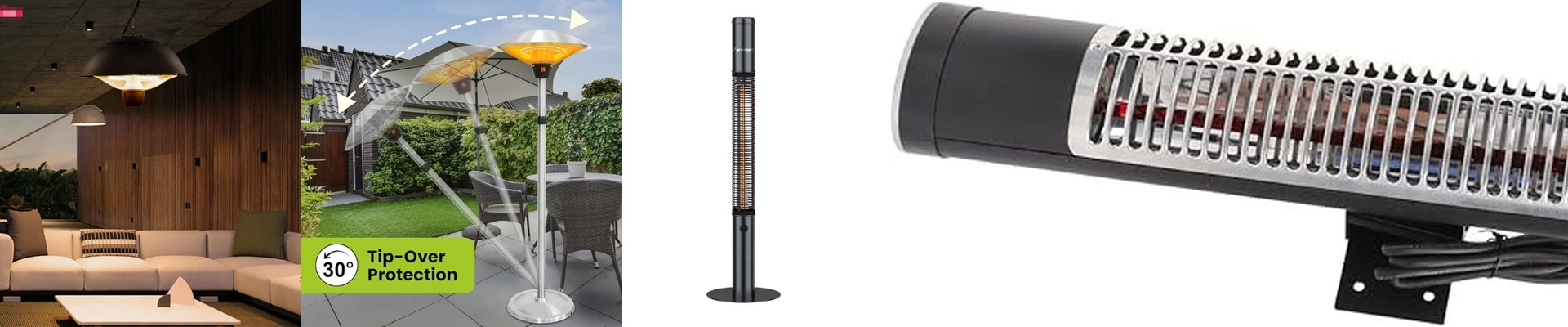

Getting Your Bathroom Heat Right: A No-Nonsense Guide to Infrared Wattage
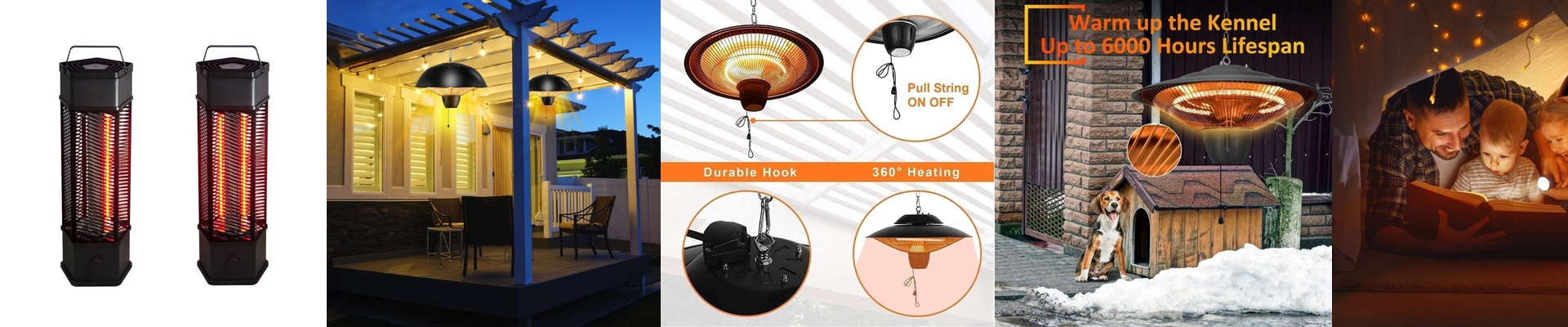
Ever stepped out of a shower into a bathroom that feels like a walk-in freezer? It’s the worst. Especially when you’ve got cold tiles under your feet and humidity hanging in the air. That’s where mirror infrared heaters come in. Unlike those old-school heaters that try to warm up all the air in the room, these guys shoot heat directly at you and the surfaces around you. It’s a different kind of warmth—instant and direct.
Picking the Right Power
Here is where a lot of people mess up. They think “more power equals more warmth” and slap a massive, high-wattage lamp into a room. The result? You get one scorching hot spot right under the heater, while the corners of the room stay ice-cold. If you’re dealing with a tiny powder room (under 4m²), you don’t need a monster. A 250W to 400W lamp usually does the trick. For a mid-sized bathroom (4-8m²), look at the 600W to 1000W range. Got a huge luxury bathroom? Don’t buy one giant 2000W unit. Instead, go with two 1000W lamps and put them at opposite ends of the room. It spreads the heat out much better, and your lamps won’t burn out as fast because they aren’t constantly screaming at max capacity.
Why the “Mirror” Part Matters
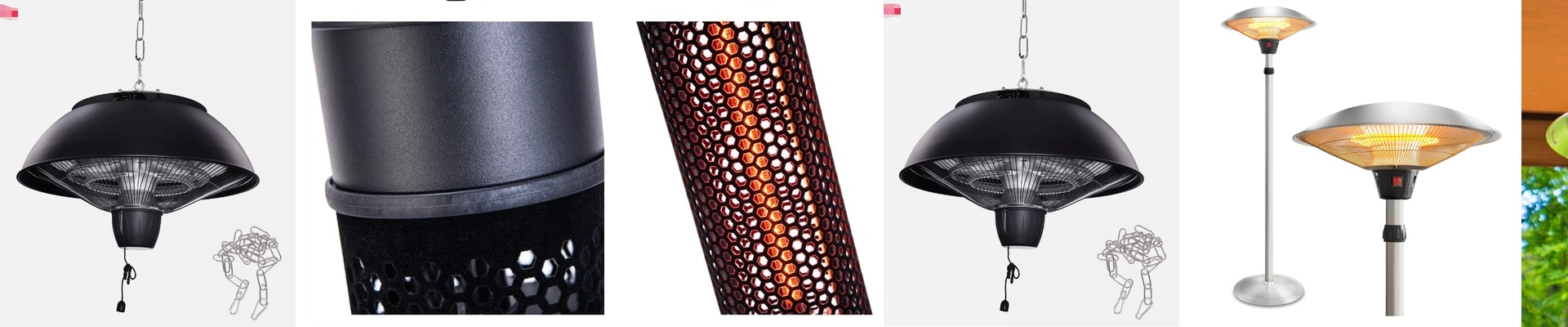
You’ll notice these heaters have a reflective coating on the quartz glass. It’s not just for looks. That coating acts like a lens, pushing the heat waves forward in a concentrated beam. Without it, a lot of that warmth would just leak back up into your ceiling or attic. With it, the heat actually hits the floor where you need it.
A Few Things to Watch Out For
Before you start drilling holes, there are two big things to keep in mind. First, check your wiring. If you’re putting a high-power unit (1500W+) into an old house, make sure your wires can actually handle the load. Thin, old wires can get hot, which drops your voltage and kills the life of your lamp. Second, be smart about where you put the thermostat. Because infrared heat is instant—no waiting around for the room to warm up—the sensor can get tricked. If the thermostat is sitting right in the line of sight of the heater, it’ll think the room is boiling, shut off, then turn back on a second later. Mount the sensor away from the direct beam. Your relays will thank you.