
Getting Your IR Heating Right for Glass Silk-Screening
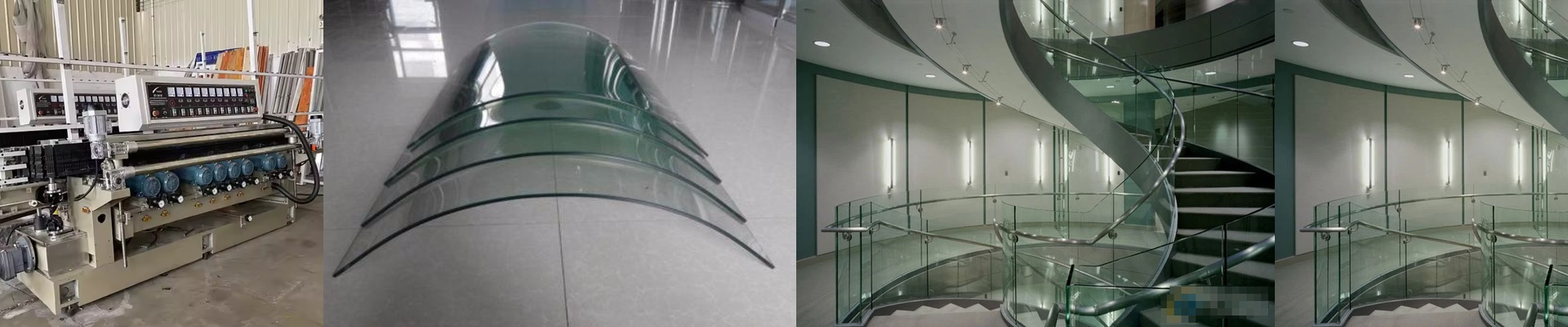
If you’ve spent any time with glass silk-screening, you know the struggle. It’s a constant balancing act. You need enough heat to cure the ink, but if you push too hard, you’ll mess up the glass or trigger the tempering process way too early. That’s where single-tube infrared (IR) lamps come in. They’re the bridge that keeps things from going sideways. Keeping Your Patterns Sharp The trick is hitting that sintering temperature fast. Really fast. If the heat creeps up too slowly, your ink can bleed or blur, and suddenly your crisp lines look like a smudge. But go too aggressive? You’re looking at thermal shock. We use tubes with high power density for a reason. It creates a “flash” of heat that penetrates the ink instantly and locks that pattern in place before it has a chance to move. But watch your spacing. If the lamp is too close, you’ll get hot spots that warp the image. Too far, and the ink just won’t bond. It’s all about finding that sweet spot. The Hardware Side of Things These lamps use quartz envelopes because they have to survive some serious heat. We pair specific wattages and voltages to make sure the heat stays consistent across the entire width of the glass. No cold spots, no surprises. One thing to keep in mind: these high-wattage tubes are power-hungry. If you’re running 2kW or more per tube, don’t skimp on your wiring or contactors. If they aren’t built for a continuous heavy draw, they’ll burn out. And nobody wants to deal with a dead line in the middle of a shift. Strength vs. Looks Once the ink is cured, you move into tempering. The IR lamp’s job here is basically to prep the surface. Here’s the problem: if the surface temperature is uneven, you end up with internal stress points in the glass. That’s how you get spontaneous breakage—the kind of thing that keeps you up at night. I usually suggest a stepped approach. Use the IR lamps to target the ink curing first, then move the glass into the tempering furnace to stabilize the structure. It stops the ink from bubbling and ensures the glass is actually safe and strong.