
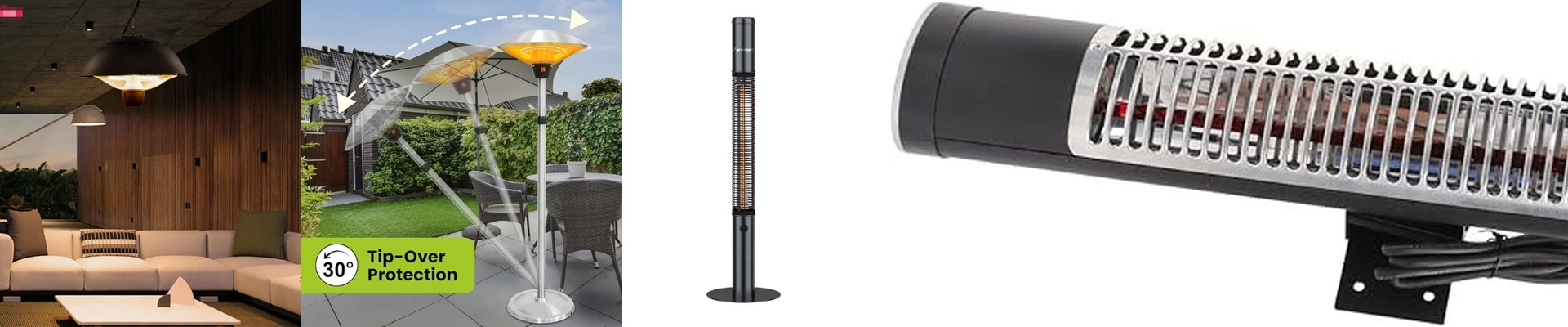

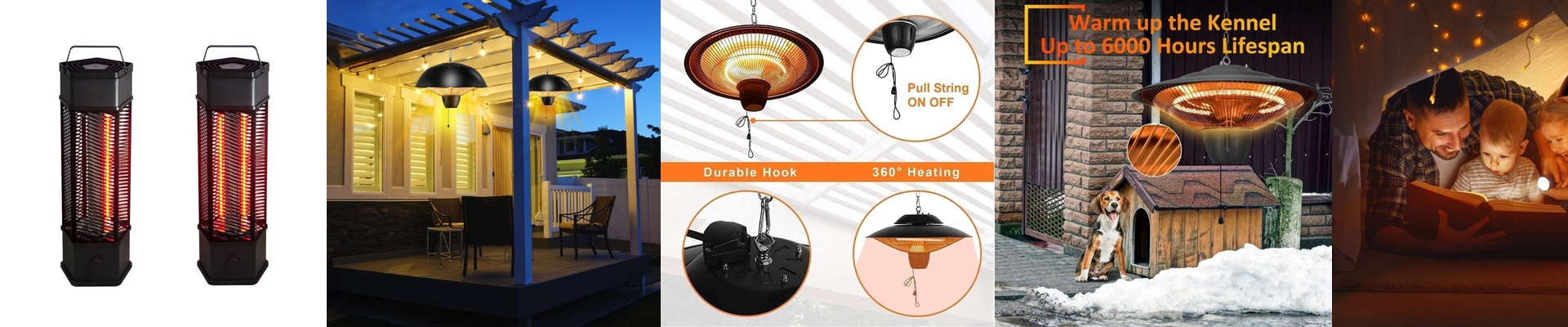
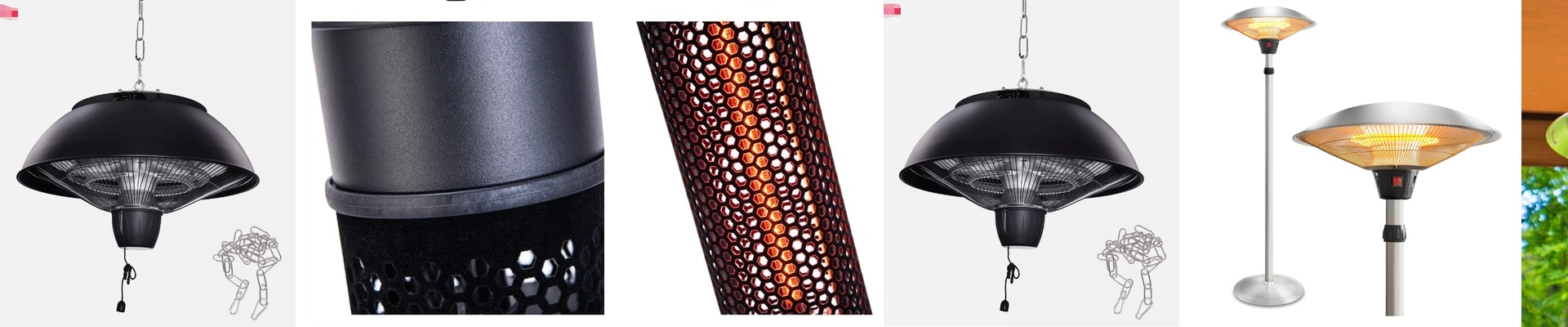
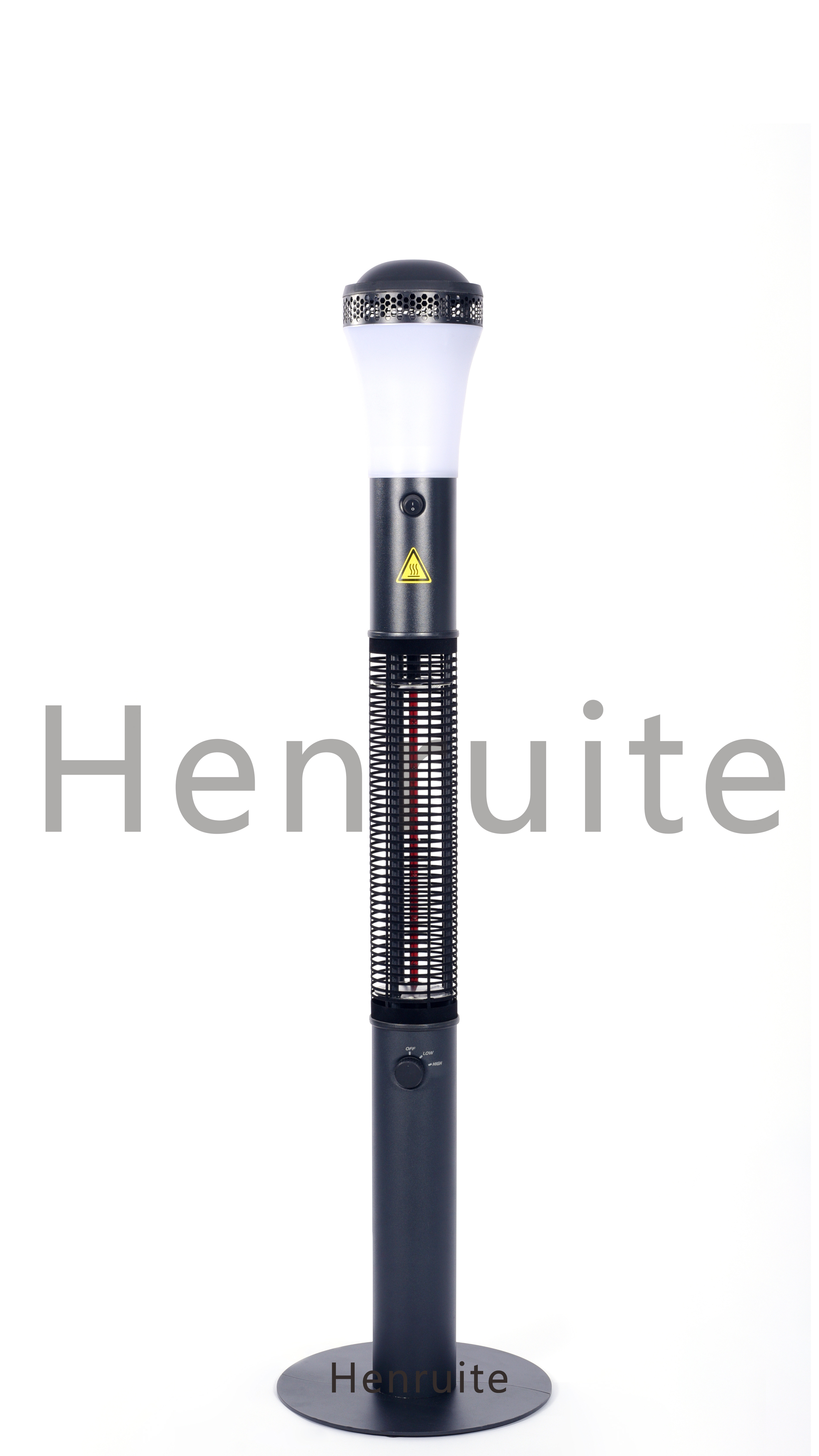
A semi-open commercial corridor is a tough nut to crack when you’re trying to keep people warm. Wind threads through, foot traffic opens and closes, and the temperature can swing fast. If your heating isn’t smart, patrons feel the chill, staff slow down, and the energy bill climbs. We built this infrared heater to deal with that reality straight-on, combining radiant warmth with presence detection so heat lands right where it’s needed, when it’s needed. What matters under the hood This electric infrared heater runs on a carbon fiber element, giving you clean, directional radiant heat that warms people and surfaces directly—not the air. That’s why comfort feels immediate, even when the air temperature is low. A built-in smart sensor watches motion and heat demand, dropping the unit to low-output standby when the corridor is empty and snapping back to full heat when activity returns. You keep operating costs down without sacrificing steady comfort. It runs off standard 220–240 V outlets, installs with minimal ductwork, and is IP55 rated for protection against light rain and dust—practical details that make a difference in outdoor-facing spaces. Why this works in a semi-open corridor The goal here is a welcoming pocket of warmth that doesn’t waste energy. The smart sensor keeps the heater from running full tilt during long quiet stretches, which cuts electricity use and supports an eco-friendly operation. Patrons feel cozy as they pass through, staff stay comfortable at entry points, and the space stays usable even on cooler evenings. Because the heat is radiant, floors and nearby surfaces hold warmth, helping stabilize the microclimate where drafts tend to be the most disruptive. Here are the things to get right Infrared warmth is directional, so placement matters. Mount the heater 2–3 meters high and aim it to cover the main flow path, keeping a safe clearance from combustible materials. The sensor does its best work with a clear field of view—avoid pointing it straight at reflective surfaces that can confuse motion detection. For the cleanest energy tracking, put the unit on a dedicated circuit and pair it with a simple timer or energy monitor. The IP55 rating handles typical weather, but the heater is designed for covered areas—direct, constant exposure to heavy rain will need extra shielding.