


After a hard training session, muscles lock up and recovery feels like it’s stuck in slow motion. In an office building that’s also a performance center, the wrong heating setup just makes athletes stand there shivering, waiting for warmth that never really shows up. Infrared office heaters fix that—quiet, direct, and to the point.
What matters under the hood
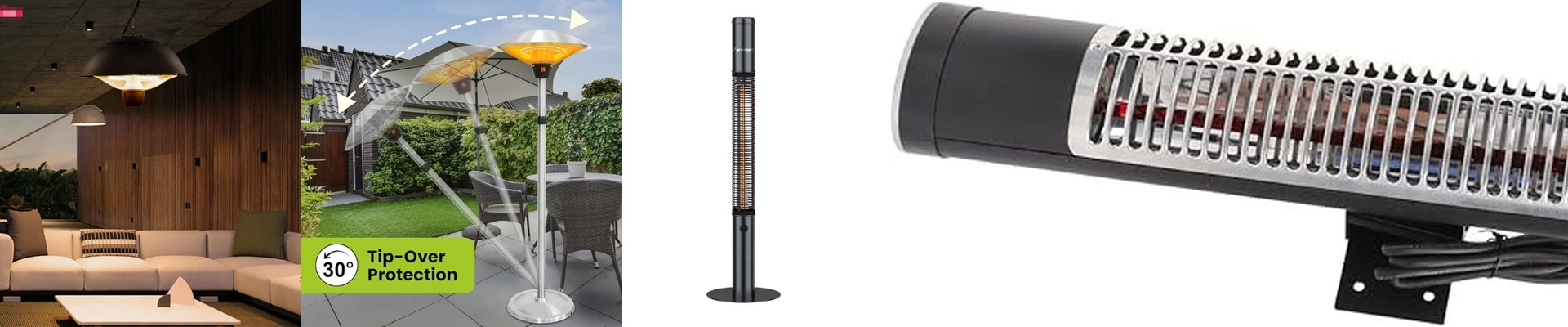
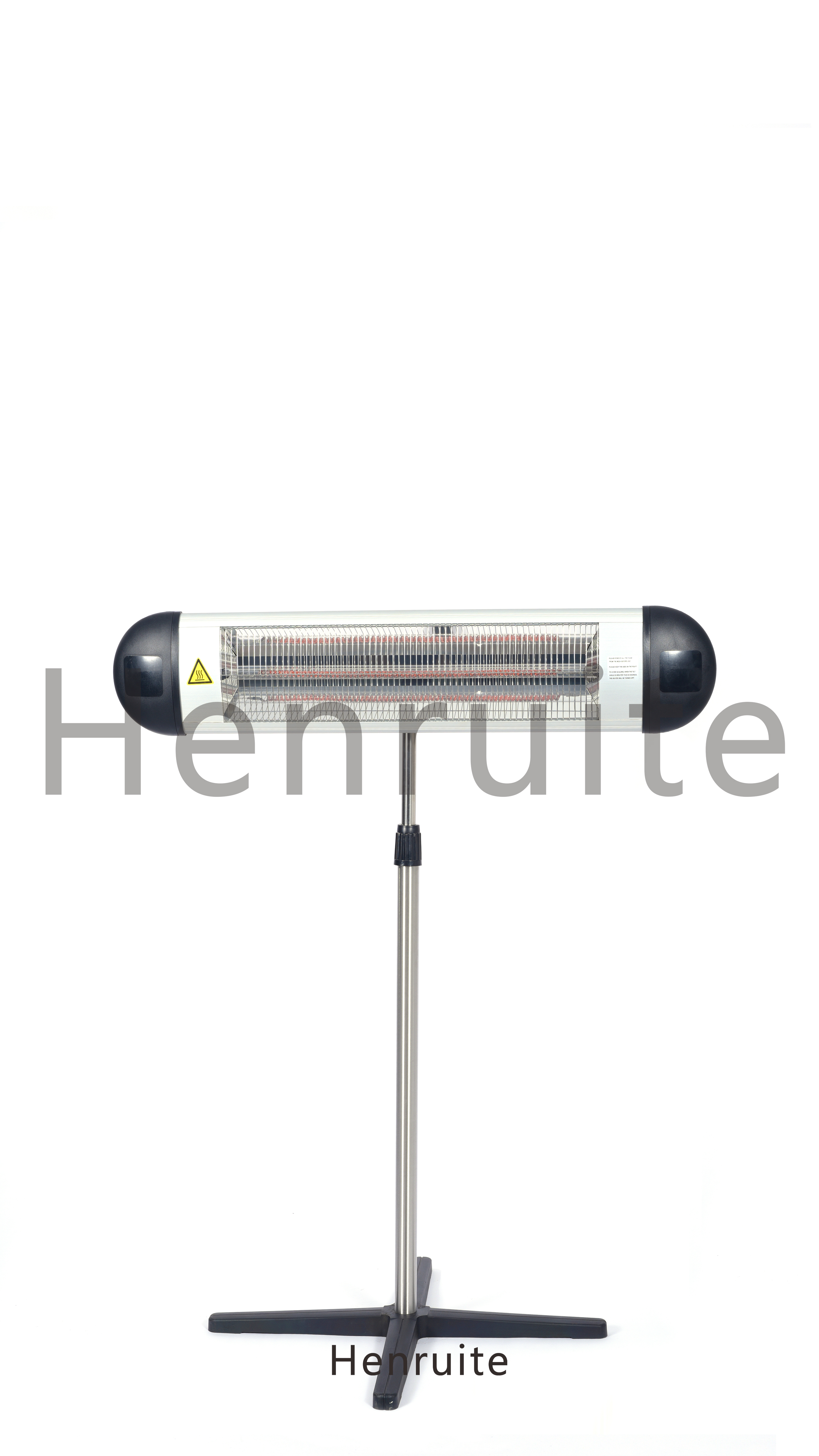
We’re running short-wave infrared, so the heat is radiant. It penetrates past the surface and gets into the muscle tissue. A carbon fiber emitter lays down a broad, even field of warmth, and the reflector keeps the energy aimed where it’s needed instead of bleeding off. That translates to a 2–3°C rise in the temperature of the targeted tissue within minutes—not a long, energy-heavy climb by the air. Add in an adjustable thermostat and built-in tip-over protection, and the unit runs safely, quietly, and efficiently.
Why this makes sense in a training office
In the recovery room or training office, time is the bottleneck. Forced-air heat rises and scatters, so you get cold spots and a slow return to comfort. Infrared warmth hits the body directly, boosting local circulation and helping muscles loosen up faster. For athletes, that means quicker warm-ups, less stiffness, and a better environment for tissue repair. In an office building, the heater holds a steady baseline, so attention stays on recovery—not on chasing drafts.
The practical details you’ll want to get right
Infrared is directional, so placement matters. Put the heater where it covers the main recovery area, and keep a clear line-of-sight to the people you’re heating. It warms people and surfaces, not the air, so pair it with gentle ambient control for balanced comfort. Installation is straightforward on standard circuits, but treat it like any electric heater: run it on a dedicated line and keep it away from moisture. For the best results, combine it with light movement and hydration—the warmth supports the process, and your routine does the rest.