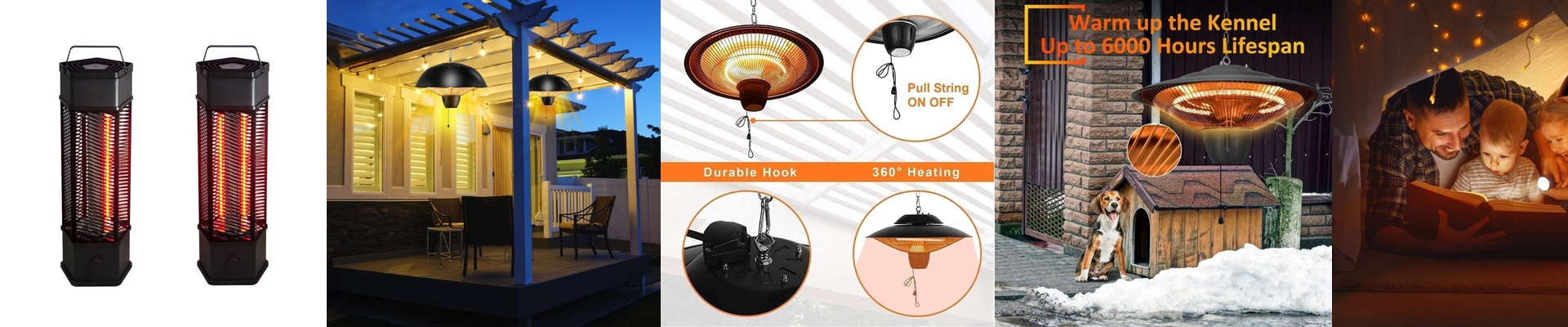
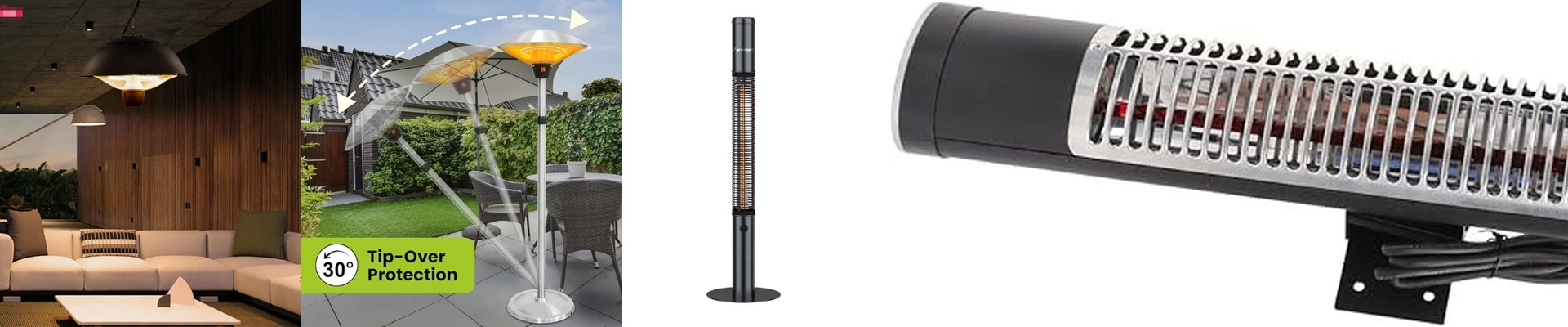

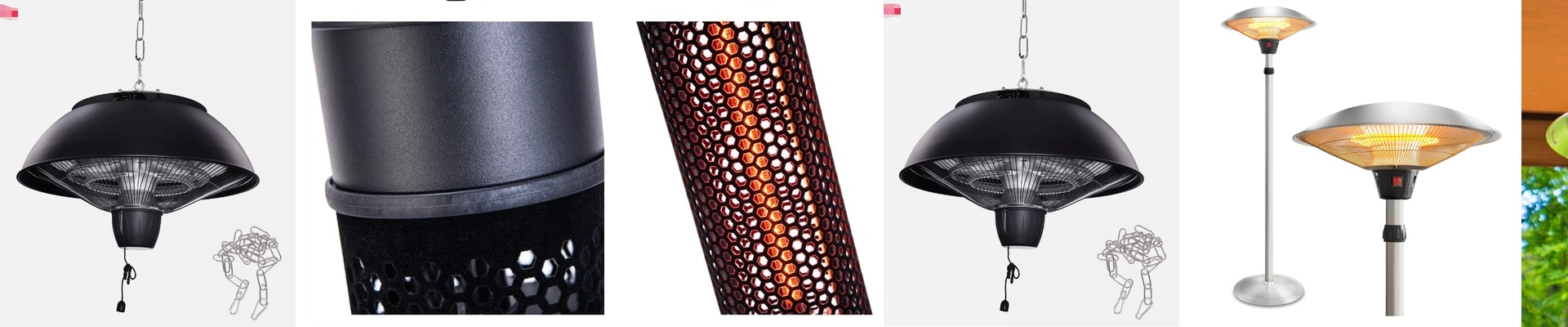
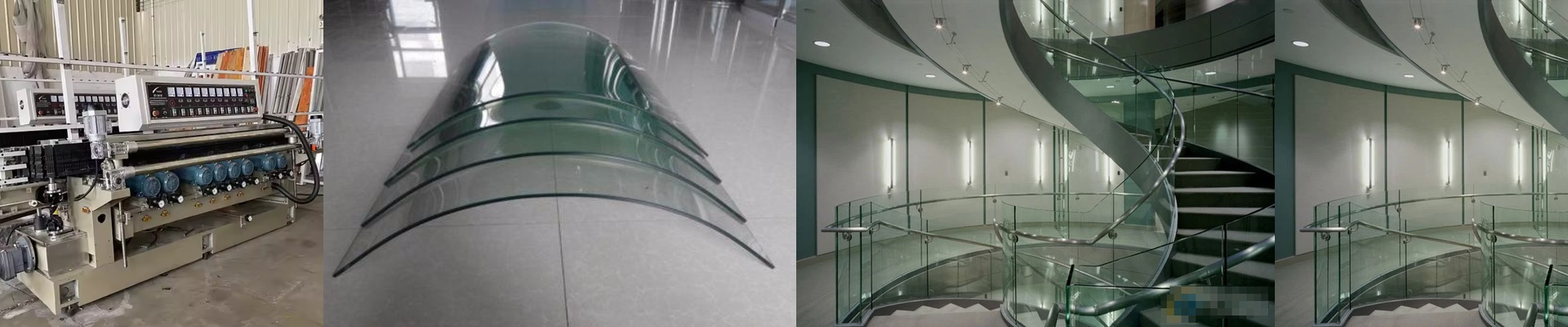
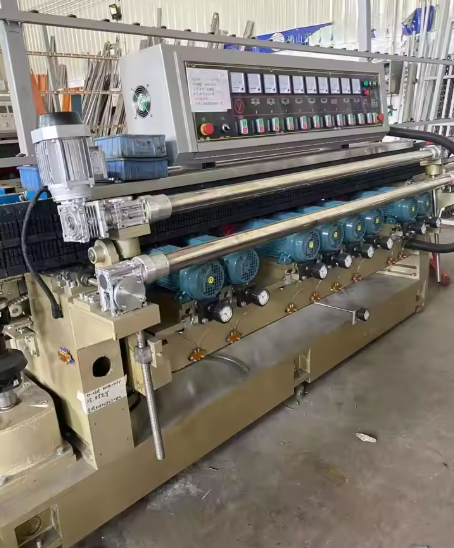
On the line, insulating glass sealing doesn’t wait around. If the warm-up drags or the heat across the spacer isn’t even, you’re suddenly chasing the adhesive’s cure window. That’s when you start getting bubbles, weak bonds, and a pile of rework. When the heat profile drifts, throughput takes a hit—and so does good glass. What matters under the hood We built this portable sealant heater around short-wave infrared quartz elements. They respond fast and dump energy right where it’s needed, with minimal convection that can ruffle the sealant bead. Power is sized for plant duty: 1.2–2.4 kW, 240 V, so you can plug it into a standard outlet without rewiring the cell. The heater face is compact—typically 150×60 mm—so you can get control in tight corners and right up against edge-work. The thermal field stays focused, bringing the sealant to target temperature quickly, while the housing stays cool enough to touch, so operators aren’t taking risks during close handling. Why it sticks in IG sealing In insulating glass, you want a repeatable bead and a consistent cure front. This unit hits operating temperature in seconds, so idle time between panes drops and the seal profile stays stable across shifts. Uniform heat also lowers thermal stress near the glass edge, which helps limit those micro-cracks that tend to show up later in cutting or tempering. The payoff: more consistent seal strength, fewer rejects, and a steadier line pace. Energy use falls because you’re heating the work area, not the whole station. Here are the practical details Infrared performance is sensitive to distance and angle, so set the working gap—usually 10–20 mm—and keep it steady. The heater works with most sealant dispensing stations, but mounting comes down to clearance around the bead path. After any power cycle, give it a short warm-up to stabilize; plan your sequence so the cure window stays consistent. And treat the quartz elements like they are fragile—no contact, no impact.