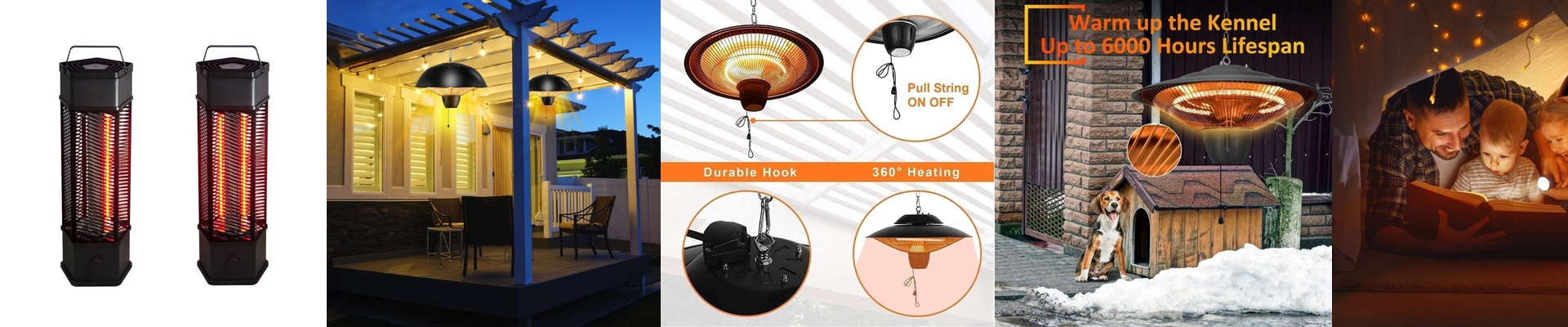
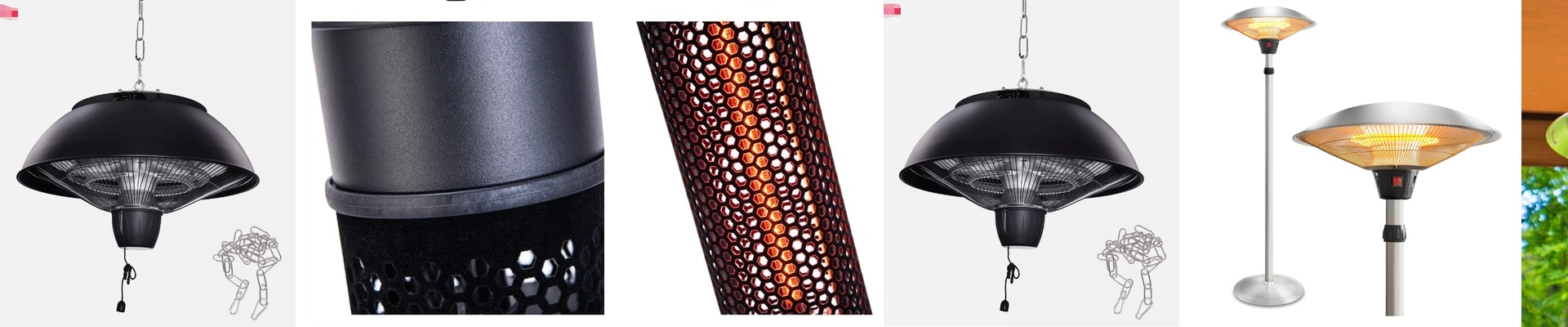
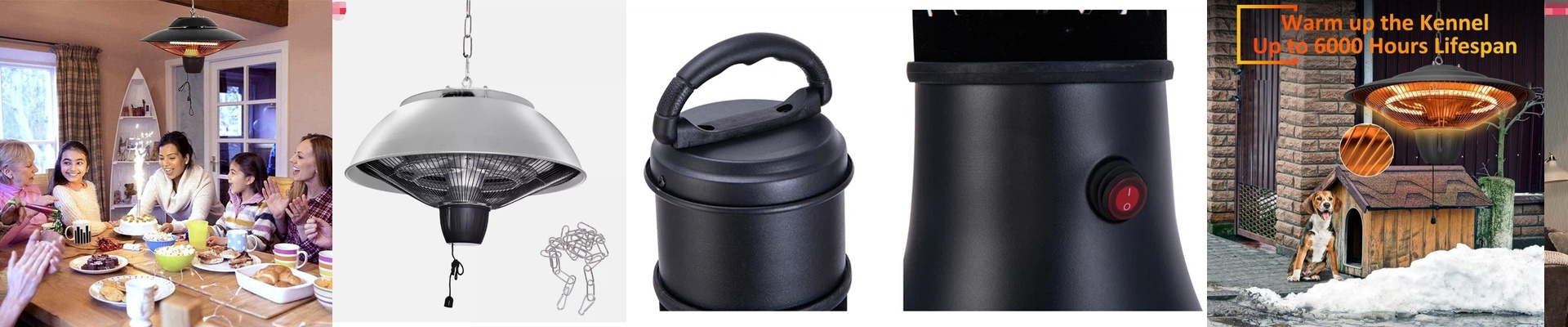

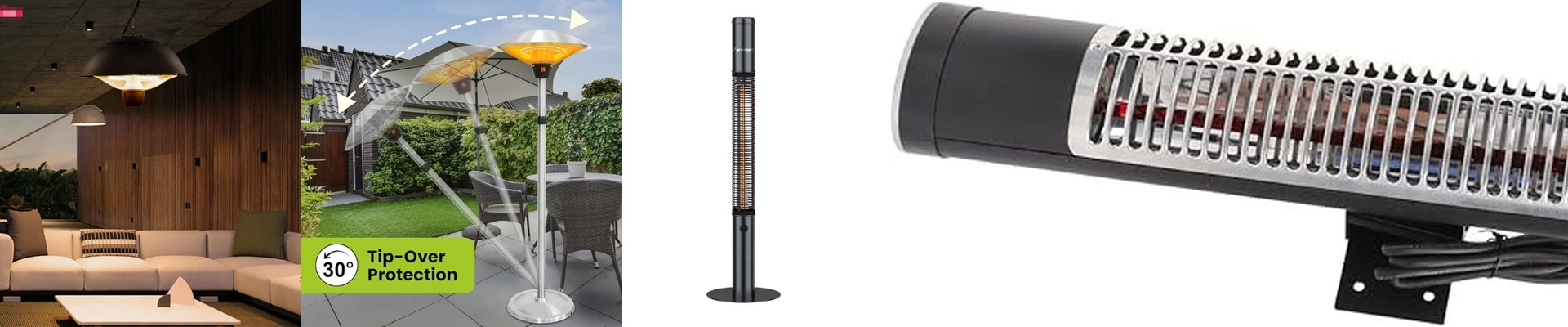
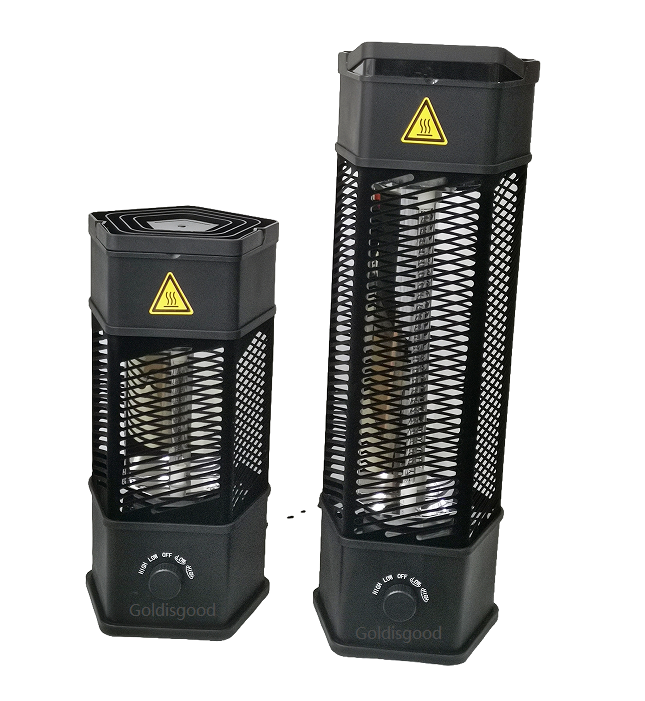
Cold hands aren’t just uncomfortable—they make everything harder. On the deck, at the campsite, or tailgating, numb fingers drag out every task and cut the evening short. The direction people are heading in 2026 is straightforward: immediate warmth, low profile, and something that fits into real life—without the bulk of a traditional patio heater.
What’s actually happening under the hood
We build these hand warmer heaters around radiant heat, using a compact quartz tube element. That layout sends infrared warmth outward, heating people and objects directly instead of trying to warm all the air around you. You feel that heat fast, and it’s directional—right where you need it. We pair the element with a focused reflector so the warmth lands where you point it, not all over the place. Power is sized for how people actually use it: a typical hand warmer heater runs on 120V AC and pulls about 300–500W. That’s enough to create a personal warmth zone without tripping typical outdoor outlets. The outer body stays cool, while the internals run quietly. For safety, we include tip-over protection that cuts power if the unit gets knocked over, and the cord is reinforced for the constant movement these units see.
Why this approach fits the way you live
Good design here isn’t just about looks—it’s about how the product behaves when you’re trying to enjoy the outdoors. The core idea is comfort that keeps up with the moment. On a clear, chilly evening, you don’t want to wait around for the whole yard to warm up. You want heat right now, exactly where you’re standing. That’s where the hand warmer heater earns its keep. It warms hands, face, and torso quickly, so you can settle in, relax, and actually stay outside. Circulation comes back, stiffness loosens, and conversations don’t get cut short. For homeowners, there’s another upside: less energy wasted heating empty air. You get cozy comfort with a lower running draw than many bulkier outdoor electric heaters.
The details that make it work (and keep it safe)
Radiant heat is efficient, but it’s directional by nature. For the best result, keep the heater within arm’s reach and aim it at your upper body—not just your hands. The unit is built for outdoor use, but it still needs protection from direct rain. An IP rating helps, but it’s not a free pass to leave the heater exposed in a storm. Placement matters for comfort and safety. Keep the heater on a stable, level surface, and keep the cord out of walkways. If you’re running multiple hand warmer heaters, spread them across circuits so you don’t overload one. Set it up thoughtfully, and you get steady, dependable warmth—without compromise.