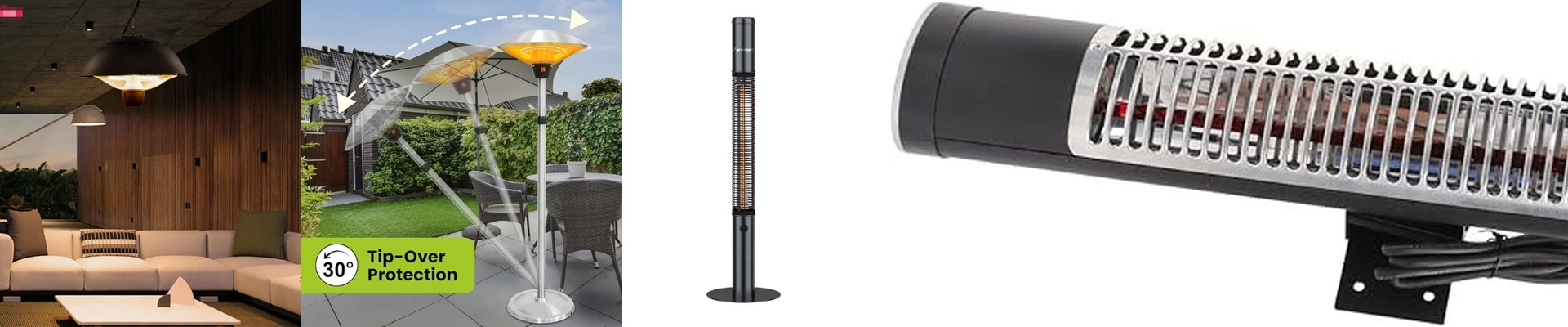
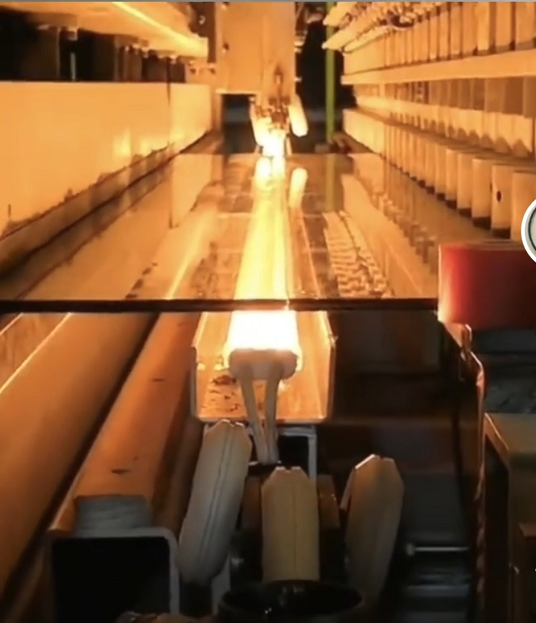
On the finishing line, the paint dryer is where yield gets decided. One hotspot, one cold zone, and you’re staring at a reject. Thermal stress gives you micro-cracks. Uneven expansion brings warp. Optical distortion that fails inspection. We built our industrial glass paint dryer to shut those failure modes down by controlling heat distribution, not just temperature. Uniform heating is the whole point. The unit runs short-wave infrared emitters in a modular layout that matches the glass width, so you get a balanced thermal field across the full surface. Peak power is sized to your cycle time—typically 12–24 kW per drying zone—with tight zone-to-zone control so the center doesn’t overshoot while the edges lag. The payoff is predictable curing without thermal shock. In practice, that means fewer stress fractures down the line in tempering and bending, and coatings that cure even without blisters or wrinkles. Glass coating and paint drying sit right between the applicator and final inspection. You need drying that’s fast and repeatable, so the line keeps moving without pushing the glass into thermal runaway. Our dryer hits setpoint quickly, holds uniformity, then scales power down to sit at temperature. You cut energy use without sacrificing curing consistency. That’s how you get higher throughput, less scrap, and fewer comebacks on optical and cosmetic defects. Here are the things that actually matter. The dryer has to be matched to the glass emissivity and the coating thickness, and the conveyor speed has to be synced to the thermal profile. Installation itself is straightforward, but the electrical supply needs to match the emitter array—plan for dedicated phases and plenty of cooling airflow. Expect faster lamp warm-up than you get with convection ovens, and make routine reflector cleaning part of the plan. That’s what keeps uniformity stable over long runs.