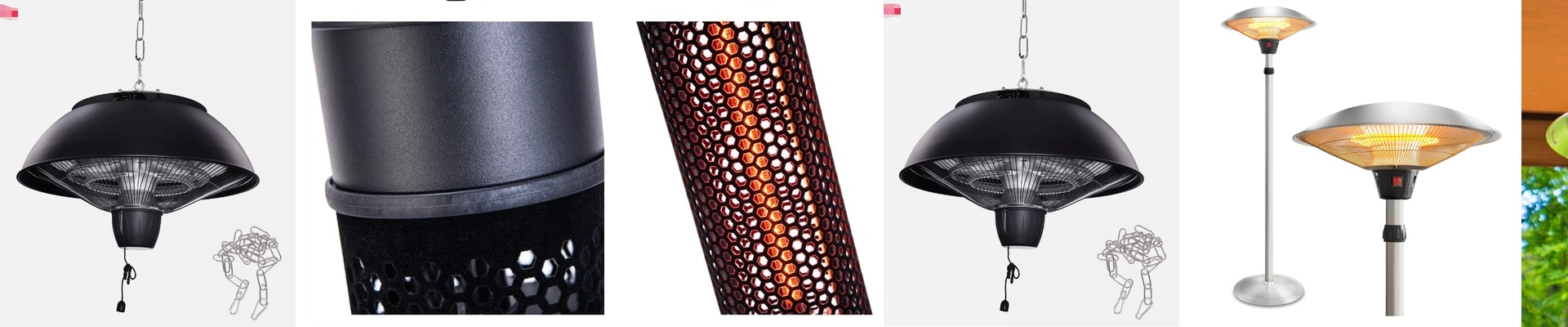

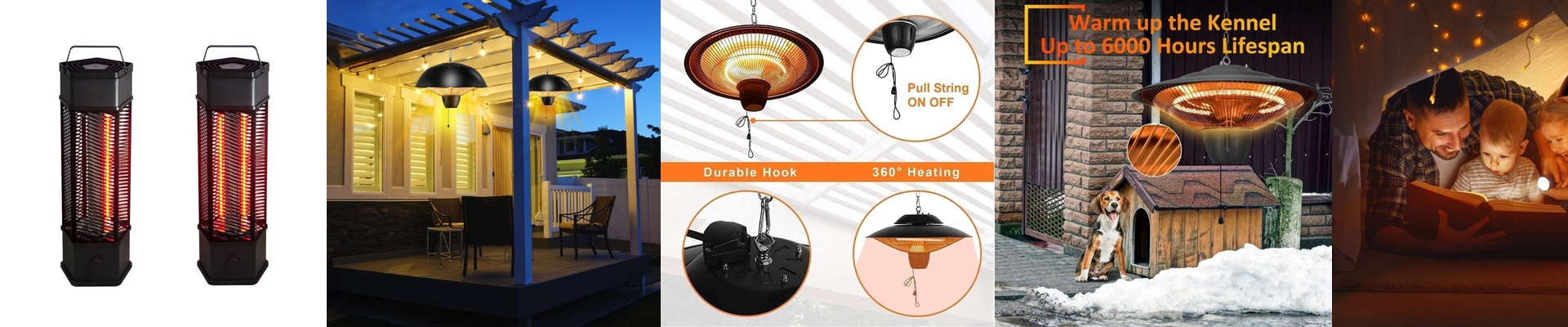
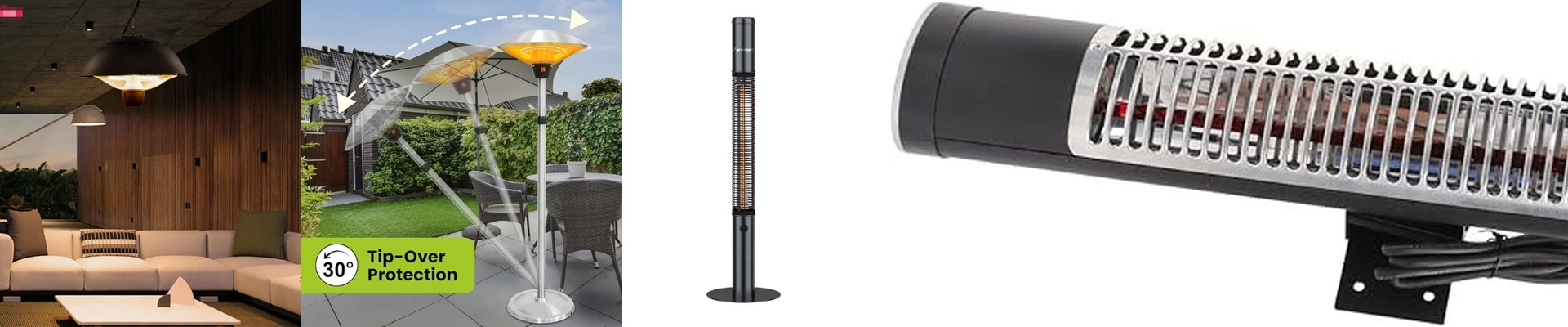
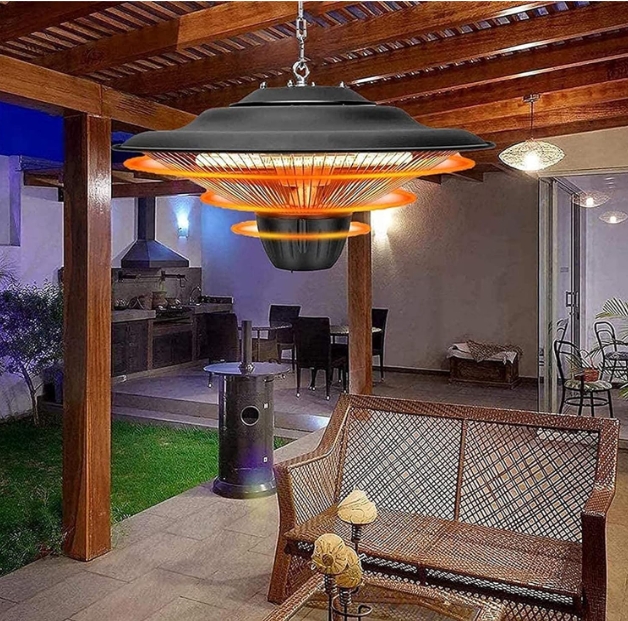
In a display window, dust motes can ruin a spotlight. In a lab, even a light air current can throw off a reading. Conventional heaters stir the air, kick up particles, and leave you chasing hot and cold spots. We built our infrared heater to do the opposite: deliver warmth with no moving parts, so the space stays still and clean.
What matters under the hood
We run a quartz-tube infrared element, putting out radiant heat that warms people and objects directly, not the air. That gives you a draft-free zone—no fan noise, no ductwork. A focused reflector shapes the beam so the heat lands where you aim it, and the thermostat holds the temperature steady instead of swinging all over the place. In practice, that means consistent comfort and stable conditions for sensitive equipment and displays.
Why this fits showrooms and labs
In these spaces, precision and cleanliness are the whole point. Infrared warmth delivers both by avoiding air movement that stirs dust and disturbs delicate setups. You get immediate warmth where it’s needed, with minimal temperature drift. That helps protect samples, preserve materials, and keep visitors comfortable without visible drafts. And because the heat is directional, you can isolate warmth to a specific area, rather than trying to heat the entire room.
The practical details you’ll actually use
Infrared heat works best on line-of-sight surfaces, so plan placement for unobstructed coverage. Clearances matter—keep distances as specified to maintain safe surface temperatures and avoid overheating nearby objects. Most units are electric and plug into a standard outlet, but for larger setups, a dedicated circuit may be needed. Expect a short warm-up time as the element comes up to output, and keep in mind that reflective surfaces and drafts from doors can affect performance.