
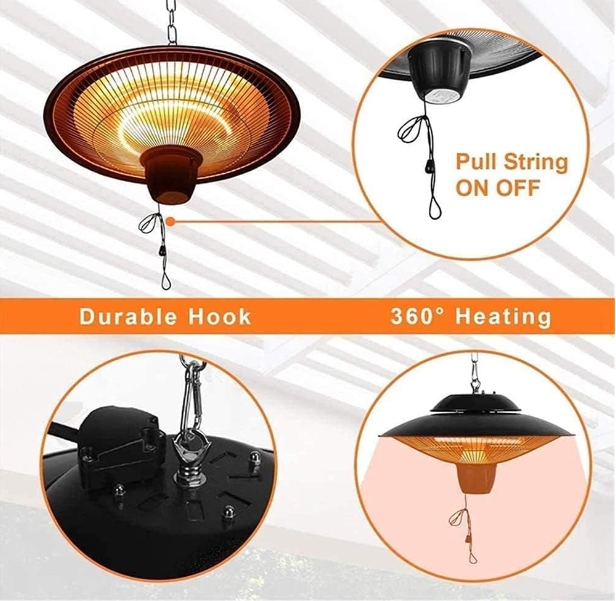
A smart home is only as smart as its heating choices—especially when comfort has to play nice with the electric bill. When the temperature drops, conventional heaters keep your system working long after the room is already warm enough. You feel cozy, sure, but the meter keeps spinning.
What matters, technically
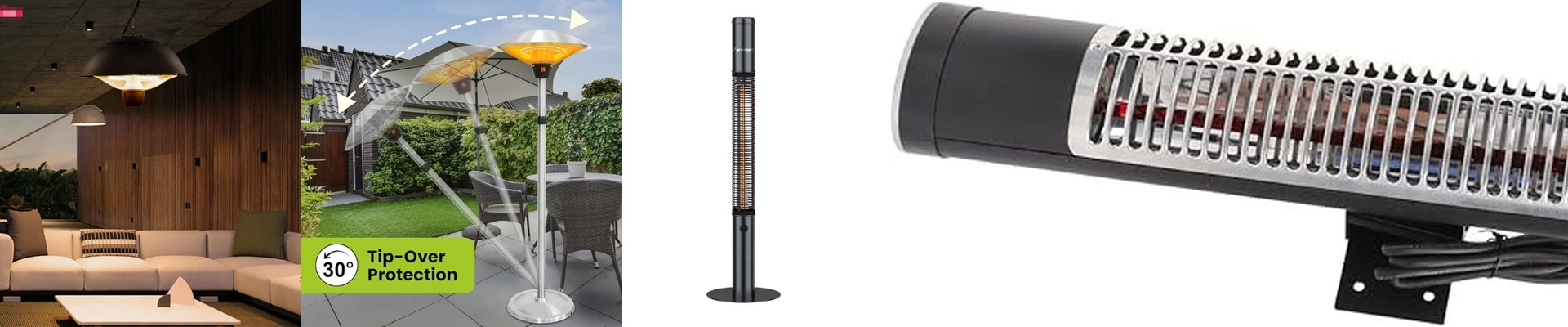
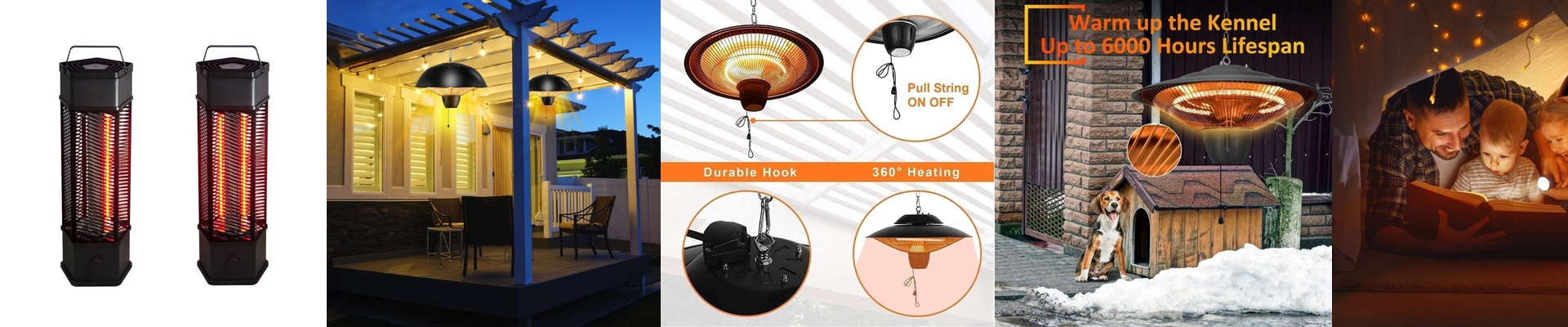
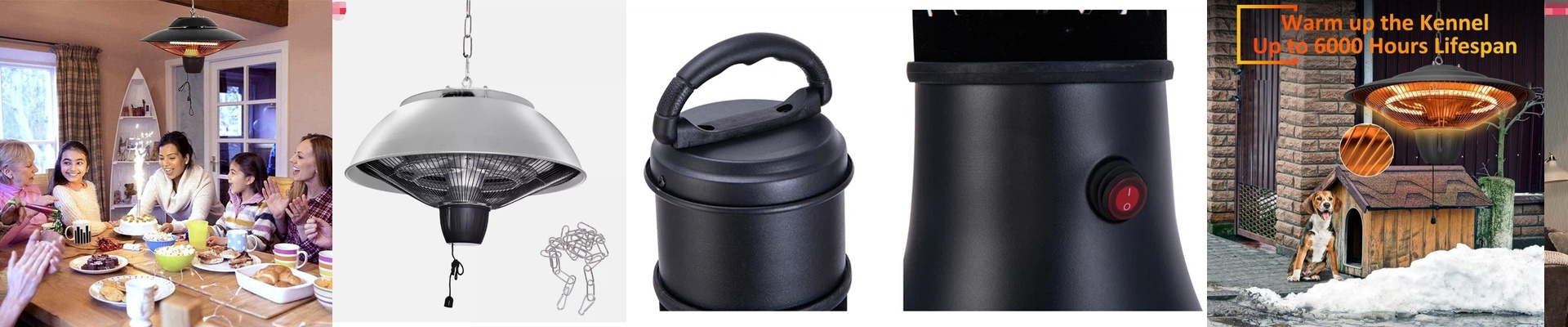
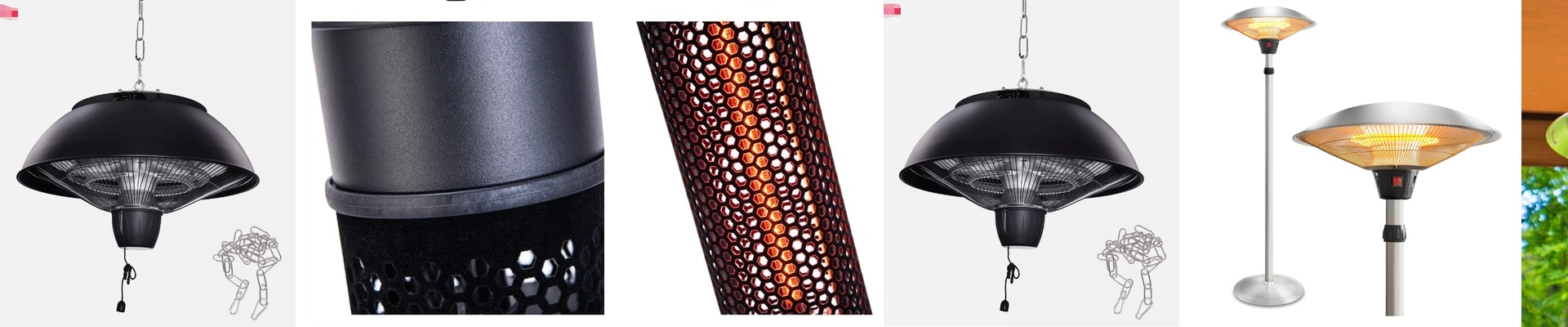
Infrared heaters with low thermal inertia get you heat almost instantly because the element itself doesn’t hold much heat. In practice, that means the element comes up to full output fast—and backs off fast when the thermostat calls for less. The payoff is tighter temperature control and fewer wasted watt-hours. We pair that responsiveness with a clean electric design that delivers direct radiant warmth, instead of heating air that rises and leaks away.
Why this fits a smart home
In a family home running a smart environmental control system, the real advantage is speed and precision. The controller can pre-heat a room right before you walk in, then back off without leaving behind lingering after-heat that keeps the space too warm. Those quick cycles cut run time and keep energy use closer to the setpoint. You still get steady comfort, but the system spends less time overshooting and correcting. Over a winter, that discipline adds up—especially in drafty rooms or open-plan living areas where air temperature swings fast.
What to keep in mind
Low-inertia infrared heating performs best when it’s paired with a responsive thermostat and positioned to shine directly on seating areas. It’s designed to warm people and surfaces, not to replace whole-home forced-air in very cold climates. For the best results, pick a model rated for the room size, keep the unit unobstructed, and make sure your smart controller can handle rapid switching and occupancy-based scheduling.