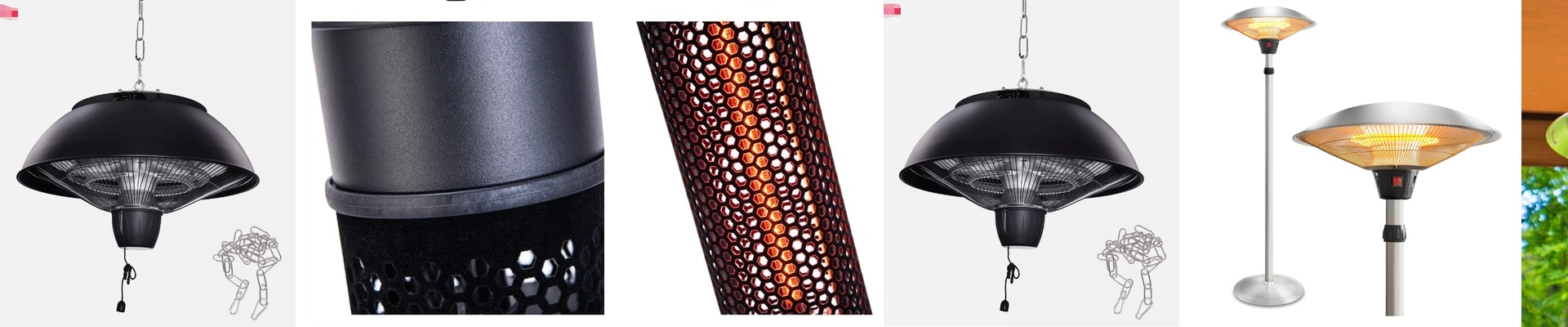
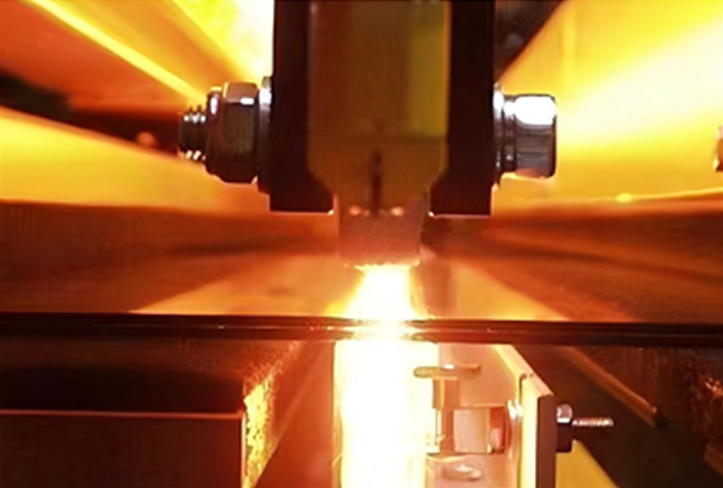
On the tube line, the lehr is where your scrap rate gets decided. If the anneal is running hot or cold, you drag thermal stress into cutting and bending, and you pay for it in micro-cracks and rejected batches. We built an infrared lamp module for glass tube annealing to give you repeatable heat in a tight zone, so stress relief stays under control—shift after shift, strand after strand. Here’s the thing: control beats peak temperature every time. The unit runs short-wave infrared quartz emitters with fast response, so the thermal profile tracks the setpoint without overshoot. You match target power to line speed and tube diameter, typically 1–3 kW per lamp, with 240 V or 400 V configurations and industrial termination for direct integration. The beam profile is shaped to lay down a uniform thermal field across the tube, so you don’t get hot spots that drive uneven expansion. The payoff is a stable annealing curve, predictable viscosity behavior, and consistent removal of residual stress. And it works because it fits the process window. In glass work, annealing is the foundation—bending, tempering, even lamination all depend on clean stress elimination. This lamp puts the heat right where it needs to be, with minimal convection, so you can run thin-wall and specialty borosilicate tubes without chasing temperature drift. Fewer fractures at cut points. Higher yield. Less downtime spent tuning the lehr. You also cut energy use because you’re heating the glass directly, not the air around it. Installation is straightforward on most lines, but alignment is non-negotiable. The lamp has to match the tube path and the focal distance; otherwise, you’ll see edge-to-edge variation and inconsistent annealing. Expect a short commissioning window to set emissivity, scan speed, and dwell time. Keep the emitter protected from airborne dust and condensates, and plan maintenance around lamp end-of-life to keep the thermal field stable.