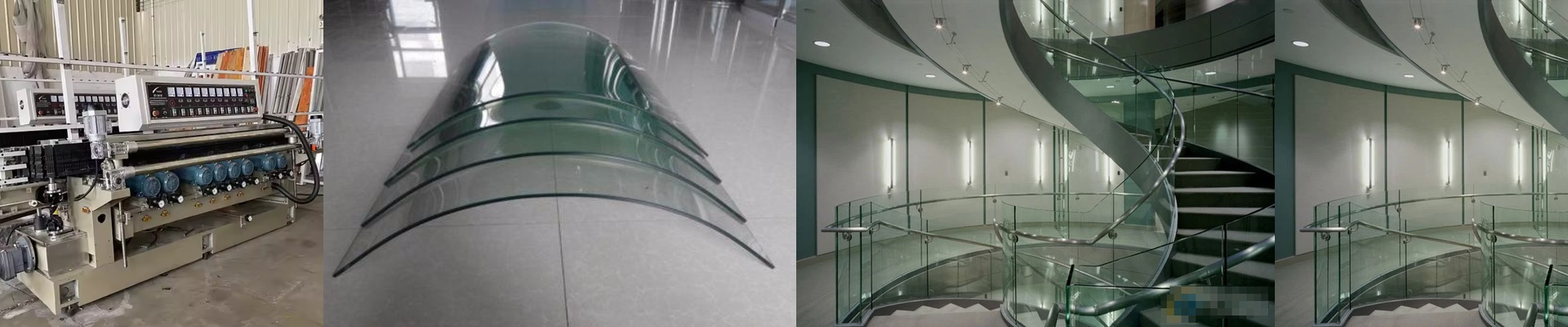





Stop Killing Your Cutting Wheels on Thick Glass
If you’ve ever tried to score ultra-thick glass while it’s cold, you know the struggle. It’s a grind. The cutting wheel takes a massive beating, it chips way too early, and you find yourself swapping out tools every few minutes. It’s frustrating and, frankly, a waste of time. We found a better way: we soften the glass first. Why shortwave IR? Most heat sources just warm up the skin of the glass. That doesn’t help much when you’re dealing with a thick slab. To actually make a difference, you need shortwave infrared (IR) lamps. Here’s the thing: this specific wavelength doesn’t just bounce off the surface. It sinks deep into the glass. By heating up the exact line where you’re about to cut, you relax the internal tension of the material. Suddenly, the wheel isn’t fighting a brick wall—it slides in much easier. Your tools will actually last When the glass is softened, there’s way less friction. You can almost feel the difference in the machinery. Since the wheel isn’t struggling against raw hardness, it doesn’t wear down nearly as fast. Plus, you stop getting those annoying “shatter” effects that usually happen with thick plates. You get a clean, crisp break. Fewer rejects. Less headache. The tricky part (and how to handle it) Now, you can’t just throw these lamps in and hope for the best. They put out an incredible amount of heat. If the lamp is too close or your conveyor slows down too much, you’ll hit “thermal shock.” That’s when the glass cracks before the wheel even touches it. Not ideal. To get this right, you’ll need to be picky about your PID controllers and where you place your sensors. You have to keep that temperature window tight. And a couple of practical tips:
- **Shield your team.**IR exposure isn’t something you want to mess with.
- **Use high-temp cabling.**If you use standard wires near the housing, they’ll melt. Trust me on that one.