
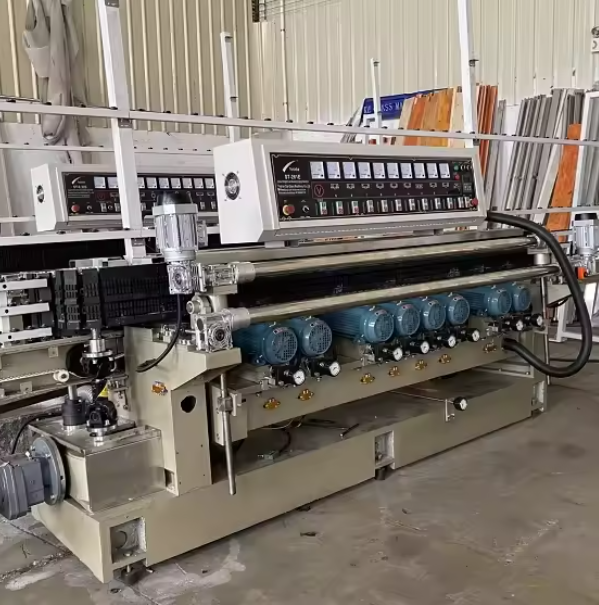
Stop Killing Your Cutting Wheels on Thick Glass
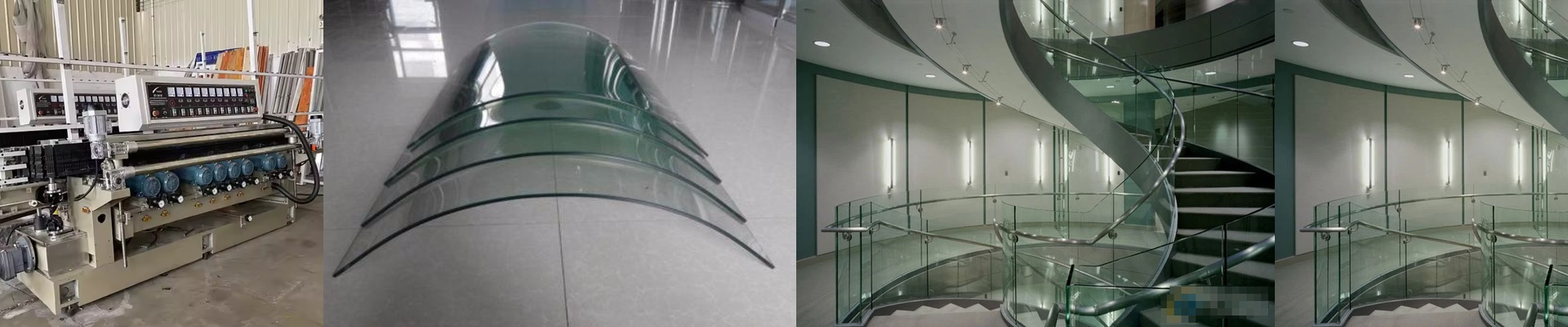
If you’ve ever tried to score ultra-thick glass cold, you know the feeling. It’s a fight. The friction is brutal, the mechanical stress is off the charts, and your cutting wheels? They just burn out. It’s frustrating and expensive. That’s why we use high-penetration infrared (IR) lamps. Instead of forcing the tool through cold, stubborn glass, we pre-heat the path. It softens the glass just enough so the tool actually glides. Why regular heaters don’t work Here’s the thing: standard heating elements just warm up the surface. That does nothing for a thick slab. You need short-wave infrared radiation because it actually sinks deep into the glass rather than just bouncing off the top. By focusing that heat right on the cutting line, we create a little “sweet spot” of warmth. Suddenly, the diamond wheel isn’t fighting the material anymore. The catch (because there’s always one) To get the heat into the core of the glass, these lamps have to be powerful. Really powerful. The upside is that you get your parts done faster and your tools last way longer. But the downside is the heat load on your machine. These lamps pump out a ton of energy, so you can’t skimp on your cooling fans or water-jackets. If your housing can’t breathe and shed that heat, you’re going to warp your guide rails. And nobody wants that. Better tools, better results When the glass is softened, the wheel stops fighting. You’ll notice a lot less chipping, and you’ll get way more linear meters out of every wheel before it’s time to toss it. It’s a total shift in how you work—moving from raw, mechanical force to a smarter, thermal-mechanical approach. Just make sure you wire it to a precision controller. You need that temperature to stay steady, or you’ll end up with thermal stress fractures, which is basically just a fancy way of saying the glass will crack.