Getting IR Heating Right for Silk-Screened Glass
When you’re mixing screen printing with tempering, it’s all about the heat. You’re walking a tightrope: you need to dry the ink and get the glass hot enough to temper, but you can’t let the pattern blur or create stress points that’ll make the glass snap. That’s where shortwave IR lamps come in. They’re the secret to hitting that sweet spot.
Keeping Your Patterns Sharp
Here’s the real headache: ink migration. If you ramp up the heat too slowly, the ink starts to bleed. Your crisp lines turn into a smudge, and that high-gloss finish is gone. But if you just blast it with heat? You risk “skinning.” That’s when the surface looks dry, but the ink underneath is still wet. Not a good look. We use high-power density IR lamps to flash-dry the surface instantly. It locks the design in place before the glass even hits the main tempering zone. You can tweak the wattage and the distance of the lamps to control the heat flow. Higher wattage means you can speed up the conveyor, but you’ve got to make sure your timing is spot on. If the timing is off, everything else is pointless.
Strength vs. Looks
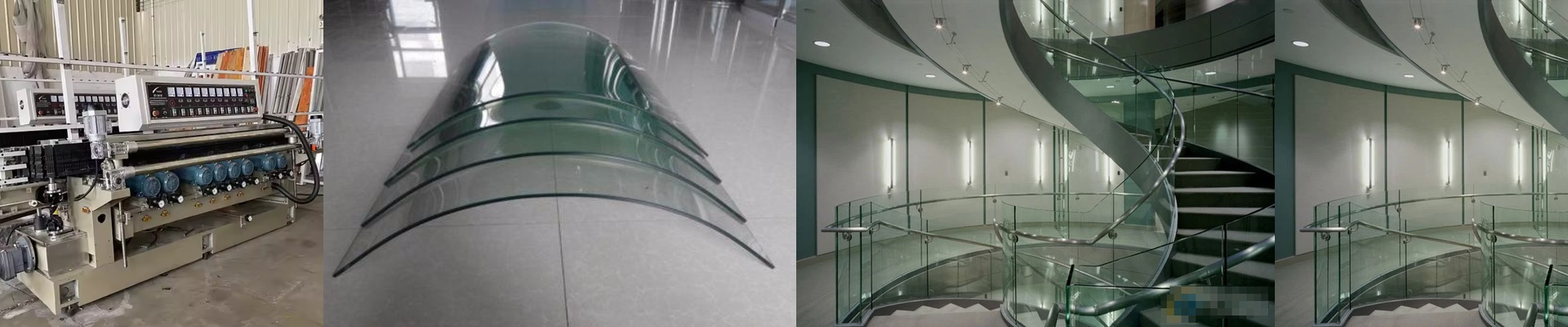
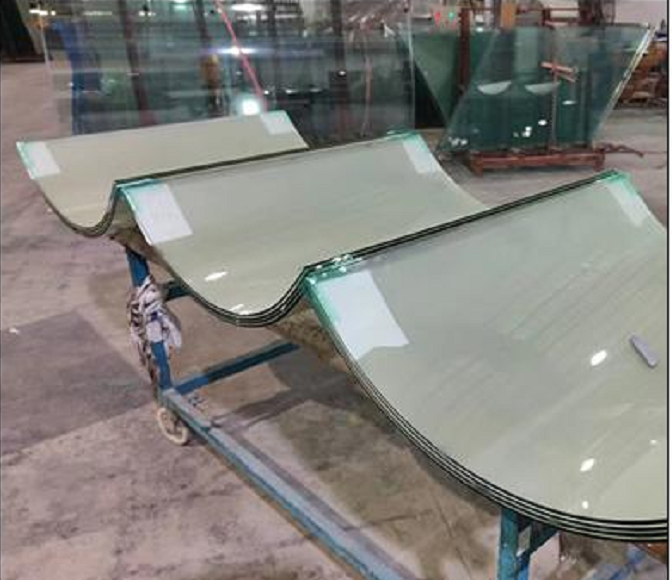
Tempering is basically a game of temperature differences between the surface and the core. To get that structural strength and a mirror-like finish, the glass has to soak at a very specific temperature. IR lamps are great here because they move energy into the glass fast. But watch out for hotspots. Uneven heat causes optical distortion—those annoying “roller waves” you see in the glass. To fix this, we stagger the lamp arrays so the heat zones overlap. It kills the cold spots and keeps the glass strong across the whole sheet.
The Practical Side of Things
Just a heads-up: high-intensity IR arrays are power-hungry. If you’re running a bank of 2kW+ lamps, your electrical panel is going to feel it. Your wiring and cooling fans need to be beefy enough to handle the heat soak. If the lamp housings overheat, you’ll fry your connectors and your tubes won’t last nearly as long. Keep the airflow moving. It’s the simplest way to make sure your hardware doesn’t give up on you.