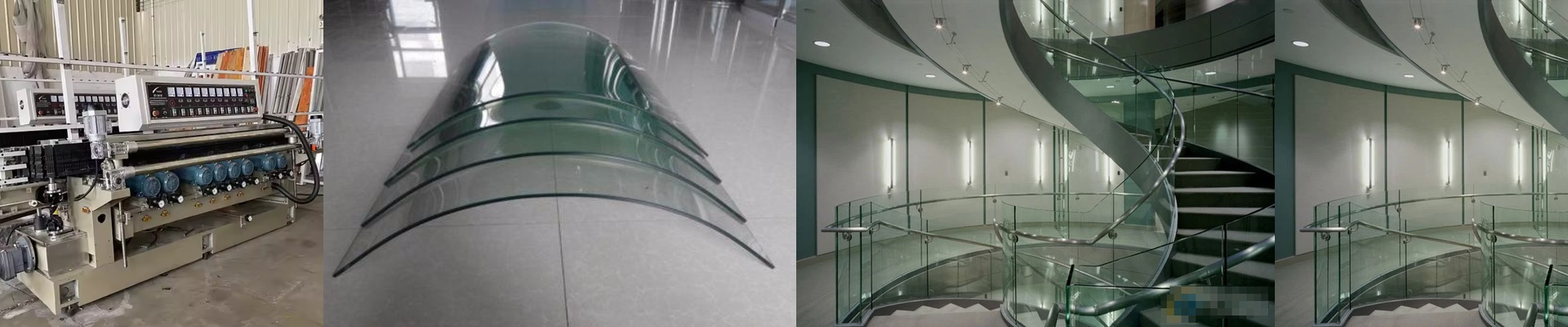

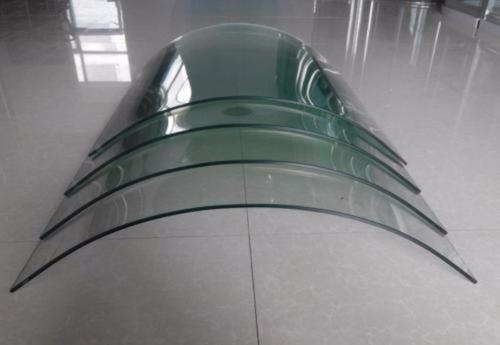
When the oven door shuts and the heat starts climbing, those next few minutes set the tone for flatness, surface compression, and optical quality. The cycle ending doesn’t mean the hard part is over. Cooling is where thermal stress either gets locked in—or shaken loose. If the cooling fan starts to slip, you’ll pay for it later: warp, roller wave, or edge cracks that show up in inspection. We built this cooling fan for glass ovens to keep airflow and temperature drop rates consistent, so tempered glass comes out on spec—without the rework. What matters under the hood This fan is meant for the heat of the oven, period. Thermal-rated housing. High-efficiency impellers. Bearings specced for continuous duty at elevated temperatures. It pulls heat off the glass surface fast, without turbulence that creates uneven quenching. The motor is sized to hold air speed through the ducting and plenum, so the cooling envelope stays stable run after run. You get predictable ramp-down, steady convection, and repeatable cycle timing. Why this matters on the line In tempering, bending, and heat-soak, cooling uniformity directly hits yield. A smooth, even cooling profile cuts thermal gradients across the glass, which means fewer breaks and less optical distortion. The payoff is straightforward: fewer scrapped sheets, faster cycle recovery, and less downtime chasing temperature swings. Energy use drops because the oven gets back to standby sooner and holds setpoints more steadily. Maintenance intervals stretch, too—because the fan is built for the heat, not just the nameplate. A few practical notes Installation is straightforward, but airflow direction and plenum sealing are not optional. Any leakage and cooling uniformity goes sideways. Match voltage and mounting footprint to your oven, then verify the duct path and clearances. Keep intake screens and ducts clean on schedule. Dust and debris will choke airflow and make the oven work harder. And if you run extended soak profiles, confirm the fan’s continuous temperature rating exceeds the peak plenum temperature—otherwise you’re asking for premature bearing wear.