
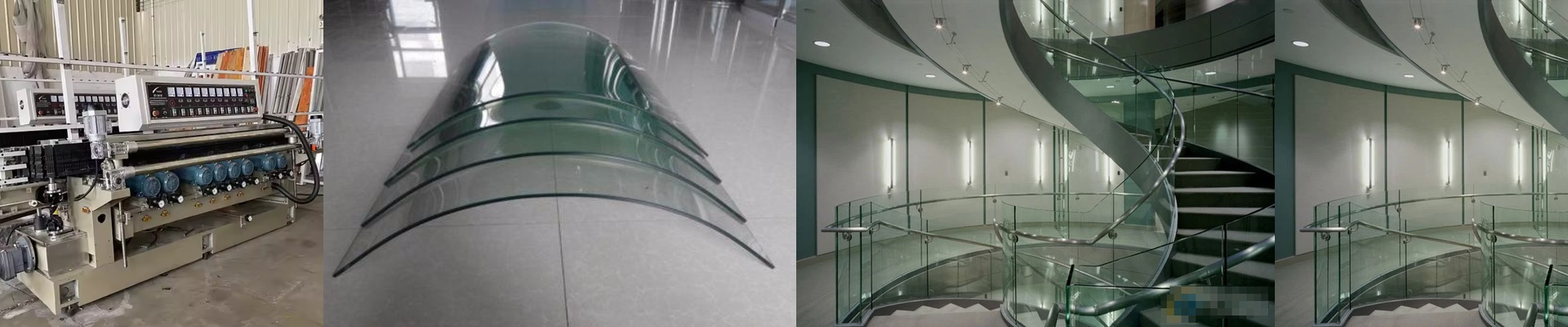
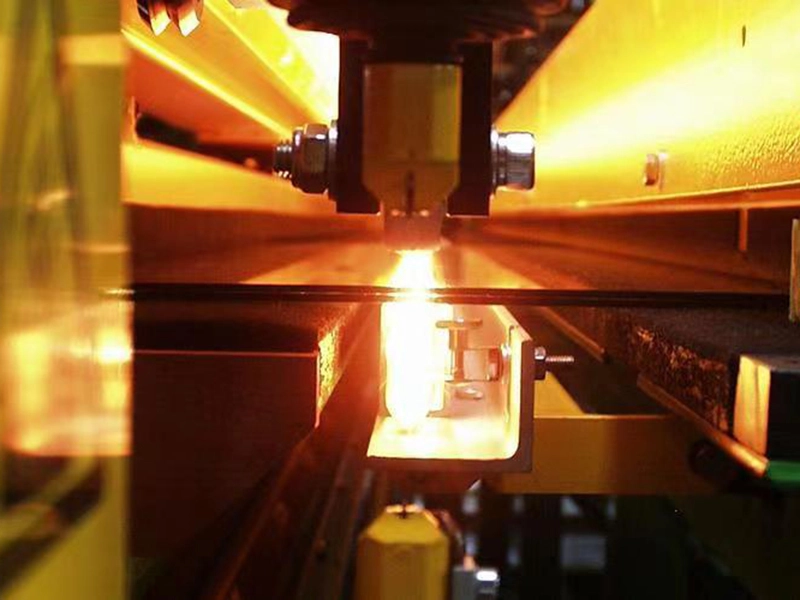
On the line, the furnace heat has to land right where the process needs it. When the heating element underperforms, you get uneven thermal distribution, off-bend radii, and stress fractures that show up after annealing. That’s glass down the drain, power wasted, and time lost. We built our glass molding heating elements to put repeatable, controlled heat right where the mold meets the glass, so the thermal profile stays stable, cycle after cycle. We use quartz sheaths with short-wave or medium-wave emitters, chosen for fast response and high emissivity. That keeps the mold surface temperature even across the cavity, so you don’t chase hot spots that cause optical distortion and thermal stress. In practice, you get tighter control over the bend radius and more consistent surface quality before tempering. Specs are straightforward: rated power matched to your zone, voltage options to fit your existing controls, and compact dimensions with standard connectors for a drop-in replacement. The result is predictable heat-up, stable hold, and repeatable ramp-down that supports proper stress relief. Here is the thing: glass processing runs on uptime. Faster stabilization shortens the heating phase without sacrificing uniformity, which improves throughput on bending and press lines. Energy use drops because the element hits the load directly, with less wasted convection heat. Equally important, consistent heat cuts scrap from edge stress and warpage, and keeps the annealing lehr within tolerance. Whether you’re running automotive bending, architectural tempering, or specialty curved work, the thermal field stays repeatable, shift after shift. Installation is tool-free on most standard fixtures, but alignment is non-negotiable. The element has to sit flush against the mold face to maintain even contact and avoid localized overheat. You’ll want to tune the controller’s ramp and soak to match glass thickness and coating emissivity—thin low-e stacks behave differently than clear float. Quartz elements are tough, but they don’t like mechanical shock. Handle with care, and avoid rapid thermal shocks during startup and shutdown. Plan replacements around your preventive maintenance window, and keep spares on hand so you don’t lose line availability.