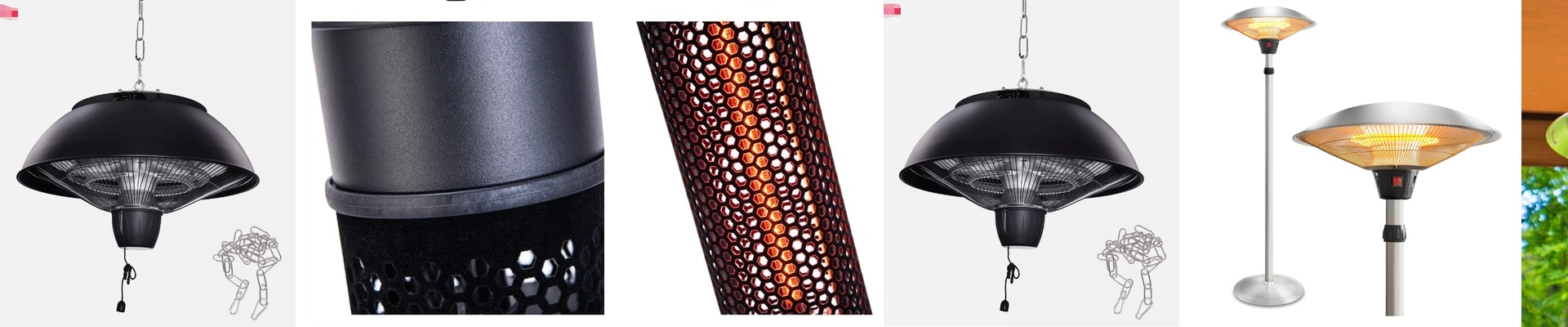
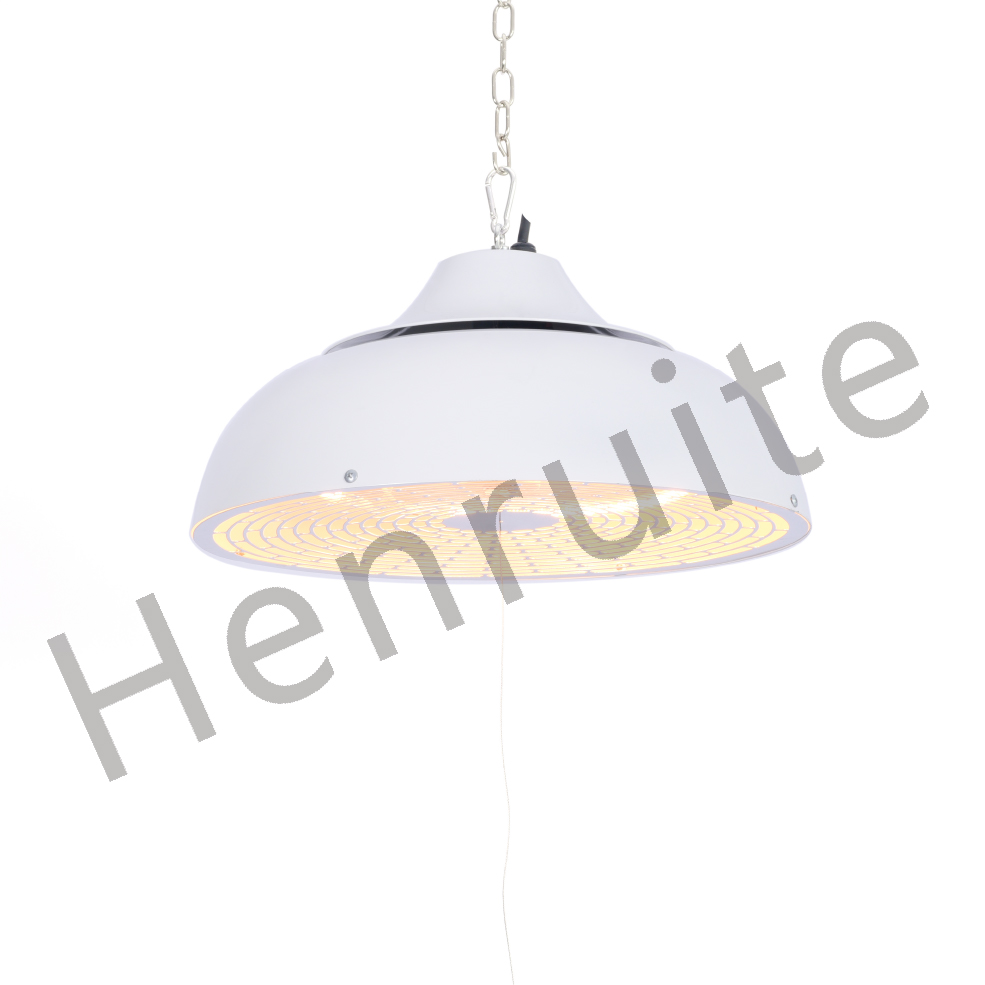
Introduction
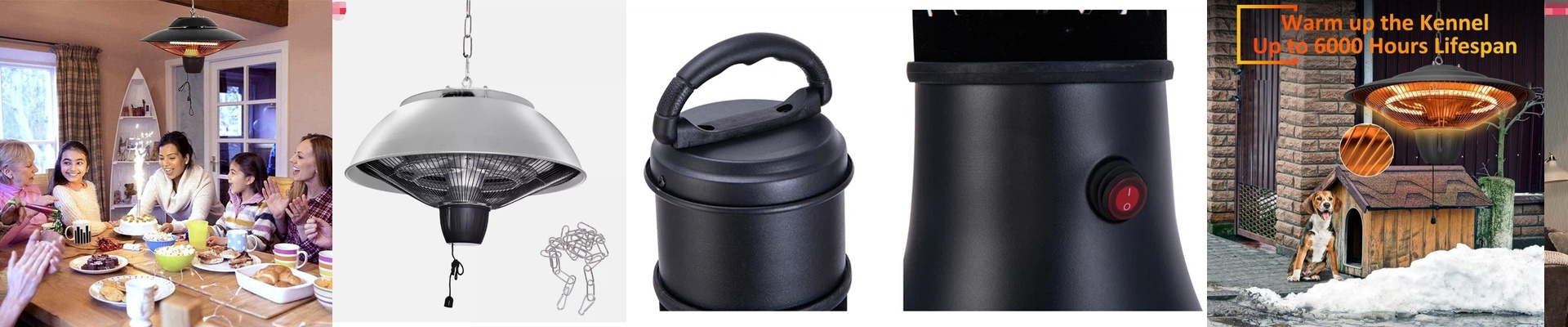
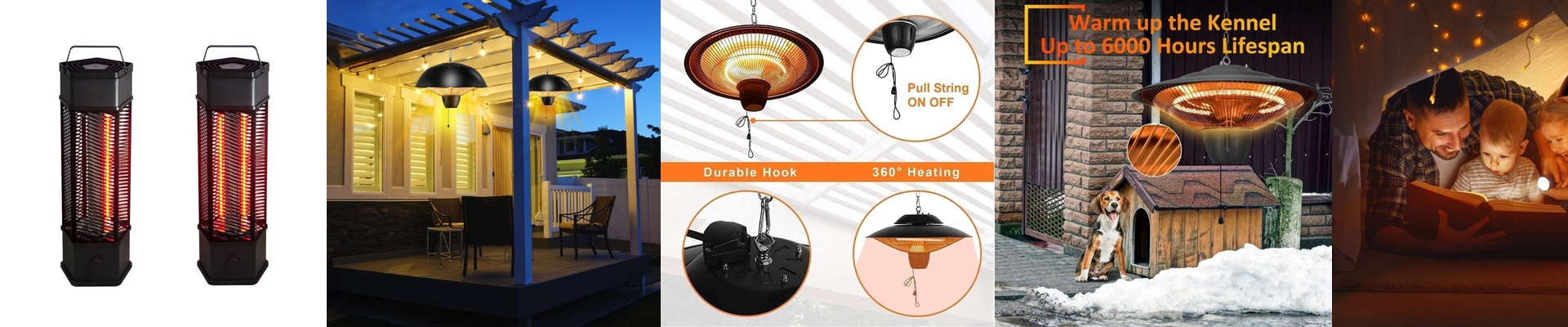
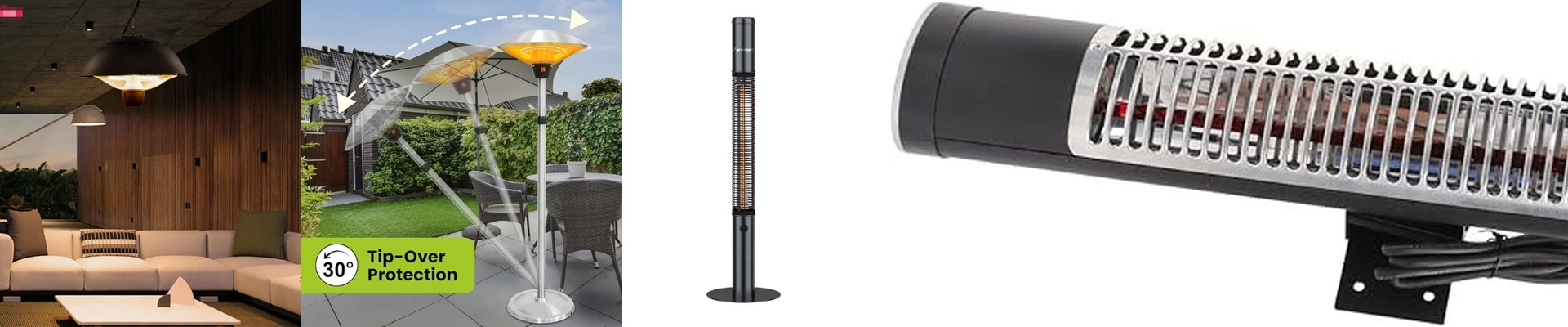
We built this portable fan heater for the factory floor and the workshop—the kind of places where every single energy bill hits you right in the gut. It’s an infrared halogen unit, designed to throw heat exactly where it’s needed, without burning through electricity for no reason. The whole idea? Keep your team comfortable, and keep those energy costs from spiraling out of control.
How It Actually Works
Here’s the thing: this heater runs on standard mains voltage, so you don’t need any fancy setup. It only draws power when the heating element is hot and the fan is actually running. At the heart of it is a high-intensity infrared tube. It turns electricity straight into radiant heat, skipping the usual step of trying to warm up a whole room full of air. Then the fan takes over, pushing that warmth right where you need it. It’s focused. It’s direct. And it means you’re not wasting energy on empty space.
The Build and the Brains
The infrared tube itself is pretty clever. It uses a halogen cycle inside a quartz envelope, which keeps the filament stable even when things get seriously hot. That design means the heater holds its output over time and doesn’t just burn out every time you switch it on and off. Wiring it up is simple, too. The R7s connector just slides in and locks down, giving you a solid, low-resistance connection that can handle being installed and removed again and again. And the housing is compact, so you can mount it right where you need it, without taking up a ton of space.
Where It Shines
This is your go-to for spot heating. Think machine enclosures, individual workstations, or even temporary drying zones. Because the heat is directional, you can keep the overall ambient temperature lower and still make sure your operators are warm and happy. In practice, that means lower kWh consumption compared to those convection heaters that just run nonstop. Just keep the reality check in mind: the element runs hot, so make sure you leave enough clearance and choose the right size unit. Oversizing won’t save energy, and poor ventilation can push the heat beyond safe limits. Get the spec right, wire it up, and you’ve got a heating solution that’s practical, and genuinely aware of your energy budget.