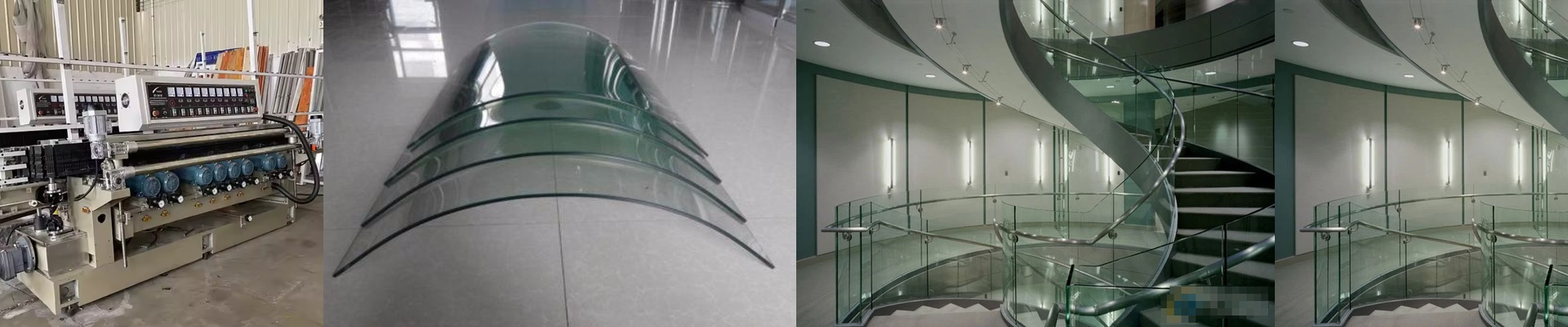
On the line, glass doesn’t wait for anything. A slow heat-up stalls tempering and bending, and temperature drift shows up as optical distortion. What you need is heat that hits setpoint fast, holds steady, and repeats cycle after cycle. Halogen infrared lamps deliver that response. What matters technically Halogen infrared lamps run on short-wave radiation, right in the glass absorption bands, so energy transfers quickly. The quartz envelope transmits high-intensity output and handles thermal shock without flinching. A dense filament array gives you a focused thermal profile that heats the surface first, then conducts inward. That cuts soak time and limits convection interference. We match lamp geometry, watt density, and end-of-life stability to your oven zones so the thermal field stays uniform across the glass. Output stays tight within a narrow band, keeping thermal stress in check and process windows repeatable. Why it works on the floor In tempering, the lamp gets glass to quench temperature fast, so you can push furnace throughput without overshoot. In bending, it lays down the controlled sag profile you need for consistent radii, reducing scrap from spring-back and optical waviness. In lamination and coating drying, it drives solvents off without overheating the interlayer, which protects edge adhesion and optical clarity. Energy use drops because the lamp heats on demand—no need to warm up the whole chamber. Reject rates fall when temperature uniformity improves, and line speed climbs when cycle times shorten. The things you learn the hard way Installation is straightforward, but alignment is critical. If lamps are mis-aimed, you get hot and cold bands that show up as roll-wave and uneven bow. Keep reflectors clean, and set lamp-to-glass distance within the recommended window. Handle quartz with gloves to avoid contamination that can rob output. Plan lamp replacement during scheduled maintenance—running past end-of-life shifts the spectrum and invites inconsistent heating. Match the power supply to the lamp rating, and verify voltage sag on startup so the control loop doesn’t hunt.