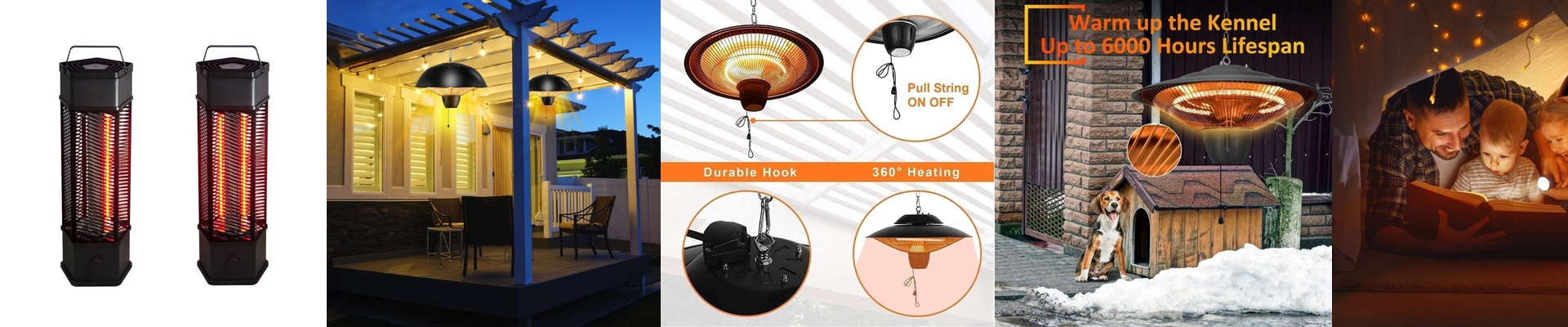
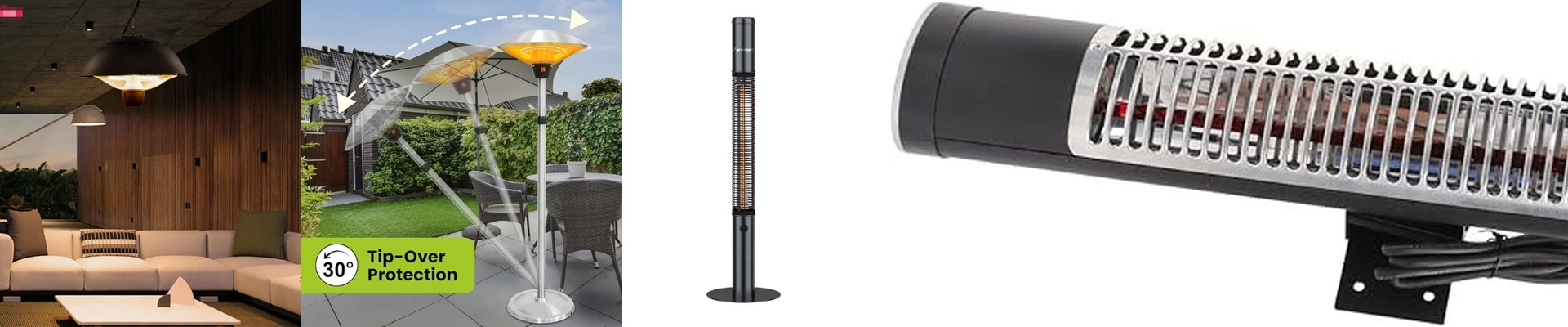
On the line, annealing isn’t just letting the glass cool—it’s managing heat removal, point by point. If the lehr lamp output starts drifting or the thermal field throws hot spots, you’ll see warp, edge stress, and fractures that pop up after cutting. That kills yield, stalls the oven, and turns good glass into scrap. We built our annealing lehr lamp to keep the temperature profile steady, repeatable, and locked to the process window your product actually needs. What matters, technically The heart of it is a quartz-tube short-wave infrared emitter. It responds fast and delivers high power density without leaning on convection. You can spec it for 240 V or 480 V, and match the length and mounting centers to your lehr section. The lamp output is tuned to spread evenly across the glass width, so you don’t get local gradients that drive thermal stress. Tight control on emissivity, plus a solid reflector geometry, keeps the energy on the glass instead of bleeding off into the chamber. In practice, that means quicker stabilization after a load change and less lane-to-lane drift. Here is why it holds up in real glass work. The annealing lehr governs residual stress, and with this lamp the lehr snaps back fast after line stops—so you keep cycle time without giving up soak stability. The payoff is fewer rejects from edge cracking, better optical clarity on coated products, and more predictable flatness going into bending and lamination pre-heat. Energy use comes down because the lamp heats on demand and holds the set profile without overshoot. On high-throughput lines, that means consistent yield and fewer temperature-related quality holds. A few shop-floor notes. Installation is straightforward, but the lamp has to match the lehr controller’s duty cycle and cooling. Running continuous at the top of the power range will shorten emitter life, so set the setpoint to glass temperature, not chamber temperature. In dusty environments, reflector maintenance goes up a touch—keep airflow and seals in shape. When you replace OEM modules, double-check mounting brackets and wiring so you don’t introduce misalignment that throws a shadow in the thermal profile.