



Why Gold-Coated Emitters are the Secret to Better Glass Annealing
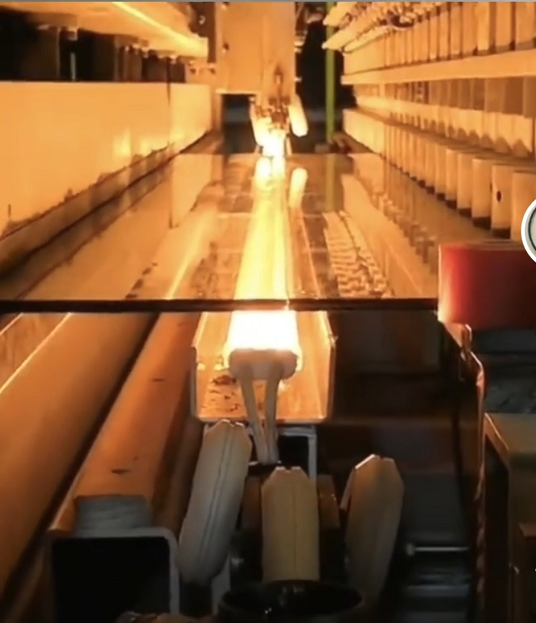
In a continuous glass line, the move from forming to cooling is where things usually go sideways. That’s where you get the cracks and the internal stress that ruin a batch. To stop that, you need thermal control that actually keeps up. That’s why we use gold-coated shortwave infrared (SWIR) emitters. They’re simply the fastest way to handle inline annealing. The magic of the gold coating Most quartz lamps just throw out a broad mix of heat. But when we add that thin layer of gold to the quartz, everything changes. The gold acts like a mirror for the longer wavelengths, bouncing them back into the filament while letting the shortwave radiation fly straight through. This packs way more energy into a smaller space. You get a massive hit of heat on the glass surface in a fraction of the time, which means your annealing tunnel doesn’t have to be a mile long. No more waiting around Glass doesn’t stop for anyone. If your heating element takes a few minutes to hit the right temperature, your whole line is dead in the water. These emitters hit full power almost instantly. It’s a huge relief. You can tweak the power in real-time as the line speed shifts. If you crank up the conveyor, the lamps ramp up right along with it to keep that soak temperature exactly where it needs to be. The trade-offs (because nothing is perfect) Here’s the catch: all that heat density comes with some rules. These lamps run hot. Really hot. They need a spotless environment. A single fingerprint or a smudge of oil on that gold coating creates a hot spot, and that’s a one-way ticket to a burnt-out lamp. You’ve got to be strict about using lint-free gloves. Plus, since they pump out so much energy, you can’t skimp on the housing. Make sure your ventilation is top-notch, or you’ll cook your electronics. Getting them running We built these to be drop-in replacements for the tunnels you already have. Whether you’re on a 220V or 380V system, we tune the wattage to fit your specific glass thickness. Just pair them with a fast-switching SCR controller. That’s the best way to actually feel the speed of the shortwave response.