Dealing with the Glare in Bathroom Infrared Heaters
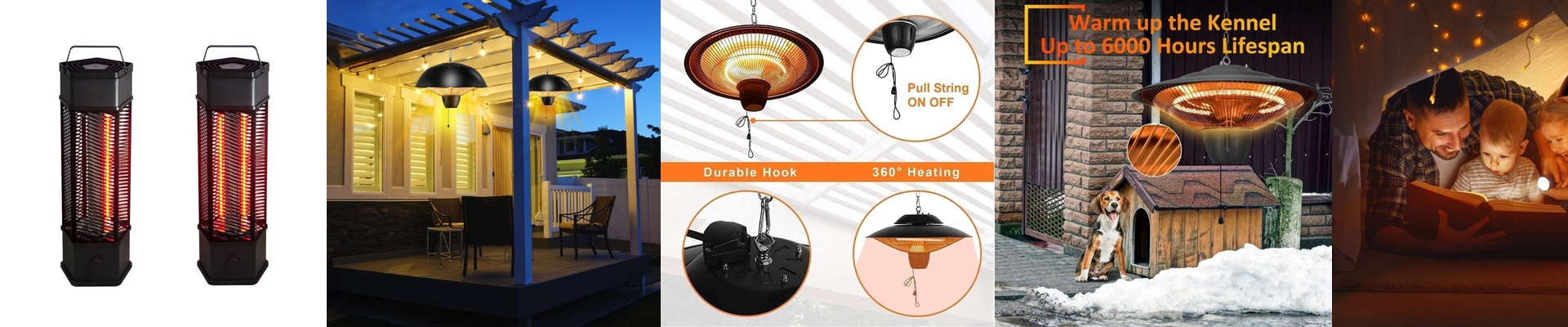
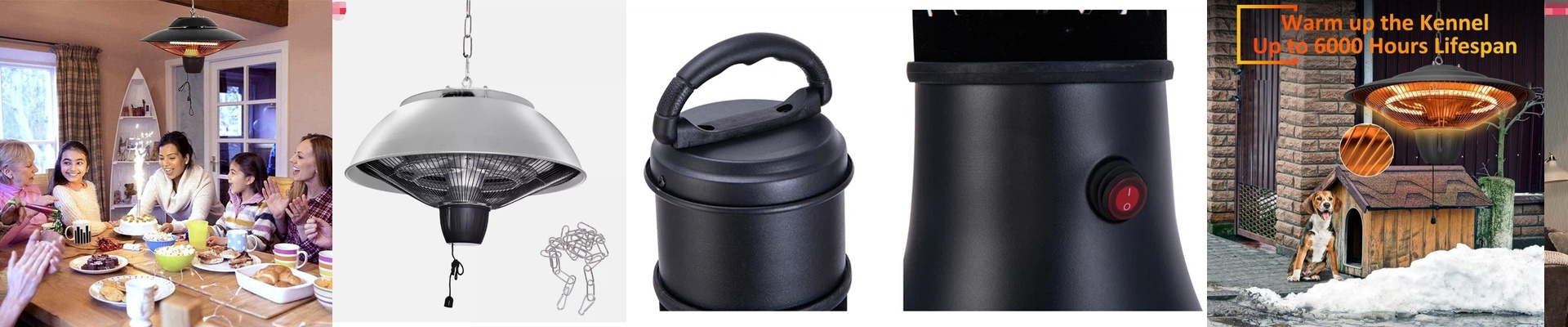
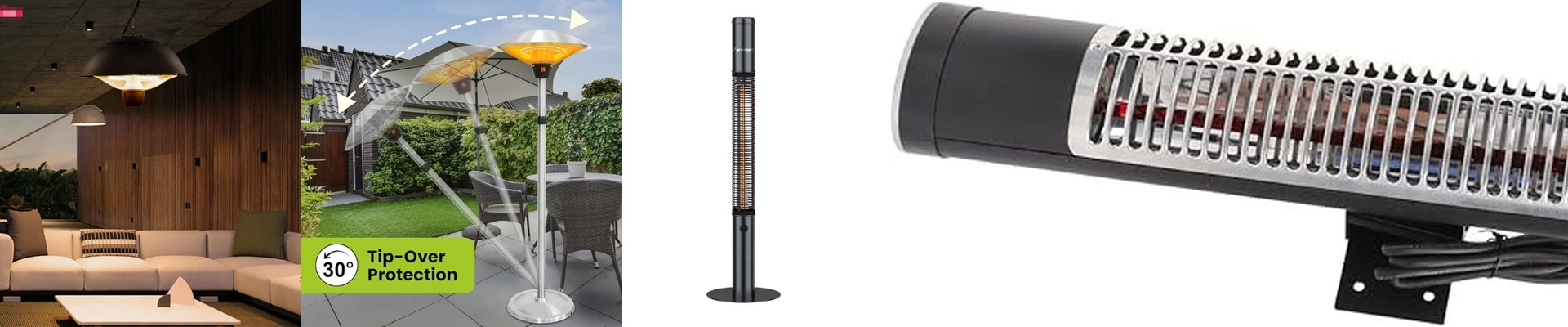
When we’re building infrared lamps for the bathroom, the heat is the easy part. The real headache? The light. Standard short-wave tubes are basically blinding. If you’ve ever looked at one, you know that harsh glare. It’s annoying for adults, but for a baby with developing eyes, it’s actually a safety risk. We can’t have that. So, we tweak how the light works. Keeping it easy on the eyes Instead of just letting the light blast out, we use special coatings or filtered quartz. This basically “muffles” the visible light while letting the heat keep flowing. By shifting the wavelength, we get rid of that blinding flash. You still feel the warmth soaking into your skin, but you aren’t squinting the whole time you’re in the shower. It’s much more relaxing. Fighting the steam Bathrooms are a nightmare for electronics. Between the humidity and the occasional splash, things can corrode or short out fast. That’s why we stick to an IP55 rating. In plain English: the housing blocks out dust and can handle water jets coming at it from any angle. We also use high-temp gaskets at the connection points. This stops steam from sneaking into the electrical parts and causing a mess. The trade-offs Here’s the honest truth: these low-glare heaters don’t hit full temperature the exact millisecond you flip the switch. They’re a bit slower to warm up than those raw halogen tubes. But honestly? It’s a fair trade for a safer room, especially if there are kids around. A few tips for the install If you’re putting a bunch of these in one area, keep an eye on your circuit load. Also, those IP55 seals make the units a bit bulkier. Give them some breathing room on the mounting brackets so the housing doesn’t get too hot. And one last thing—use heat-resistant cabling. You don’t want the insulation melting near the emitter head. Just a little extra caution goes a long way.