
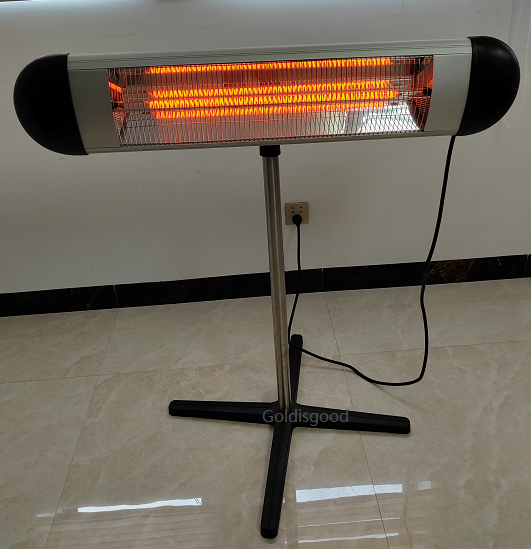
Stop Fighting Bathroom Mold With Just a Fan
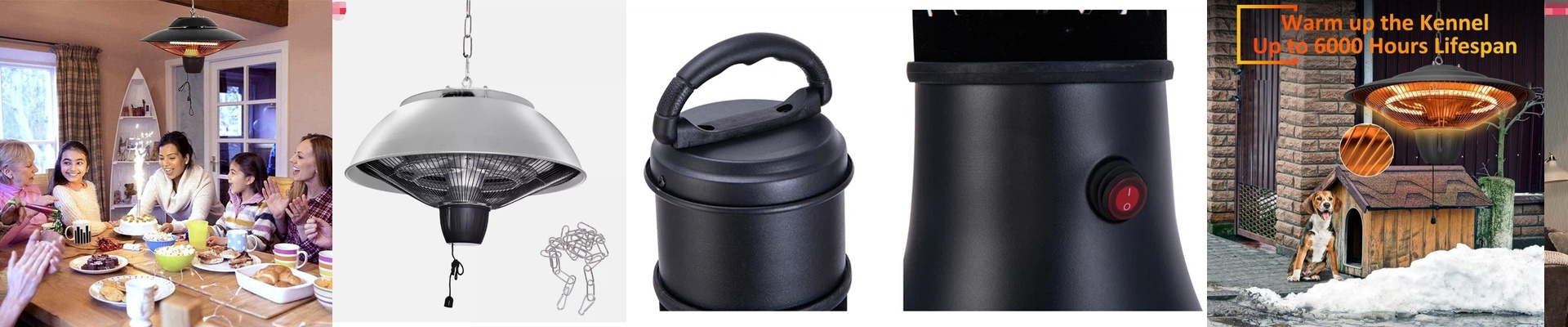
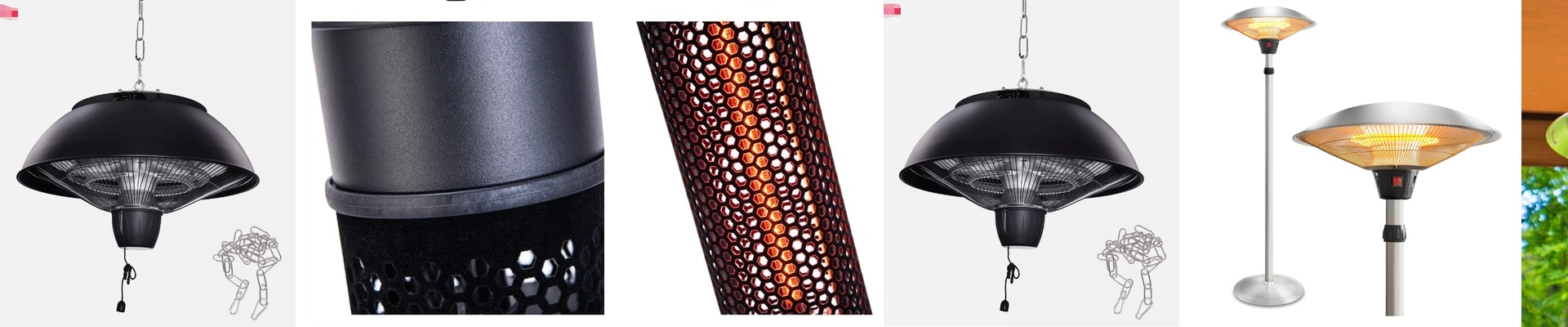
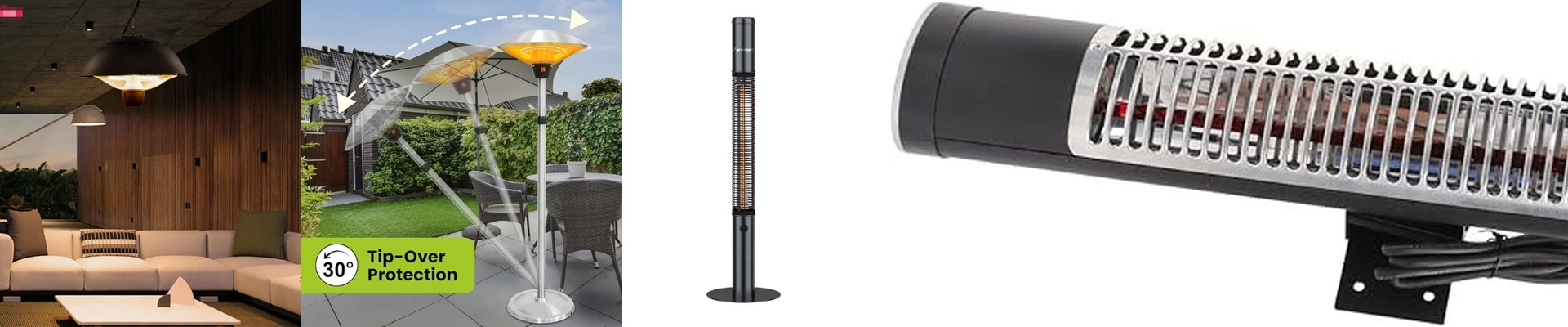
Most people see those infrared lamps in the bathroom and think, “Oh, a heater. Nice and cozy.” But there’s actually something much cooler happening under the hood. It’s not just about keeping you warm while you’re in a towel; it’s about winning the war against mold.
How it actually works
Think about how a normal heater works. It warms up the air, and you hope that air eventually dries out your walls. It’s slow. Infrared is different. It doesn’t bother with the air. Instead, it sends out energy that goes straight for the water molecules sitting on your mirrors and tiles. It basically shakes those molecules until they get so energized they just… vanish. When you flip the switch, you’re stopping the “dew point” in its tracks. If the walls and mirrors stay warm, the steam from your shower can’t settle into those annoying little droplets. And since mold needs standing water to move in and set up shop, you’ve basically taken away its welcome mat.
Getting into the cracks
Here’s the best part: these lamps can reach the stuff a fan completely misses. We use specific wavelengths that sink deep into your grout and sealant. That “hidden” dampness—the kind that lingers for hours and turns your grout grey or black—gets dried out from the inside. But you have to be smart about the power. You can’t just crank it to eleven. If the wattage is too high, you risk melting your plastic fixtures or ruining the glue holding your tiles together. The goal is a surface that feels warm to the touch, but not so hot that it starts damaging the room.
A few things to keep in mind
Using IR lamps means your exhaust fan doesn’t have to work nearly as hard. Everything dries faster, and the air feels less heavy. But there is a catch. Infrared is like a flashlight; it only works where it can “see.” If you tuck the lamp behind a wall or put it in a dead zone, you’re going to have cold spots. And those cold spots are exactly where the mildew will hide. You need a clear line of sight to the surfaces you want to keep dry. Keep it open, keep it clear, and the mold simply won’t have a place to live.