Why Infrared is a Lifesaver for Damp Bathrooms
Most people think of bathroom heat lamps as just a way to stop shivering while you get dressed. But we look at them differently. When you put an IP44-rated infrared system in a bathroom, you’re doing way more than just chasing away the chill—you’re actually tackling the moisture problem.
Stopping Mold Before it Starts
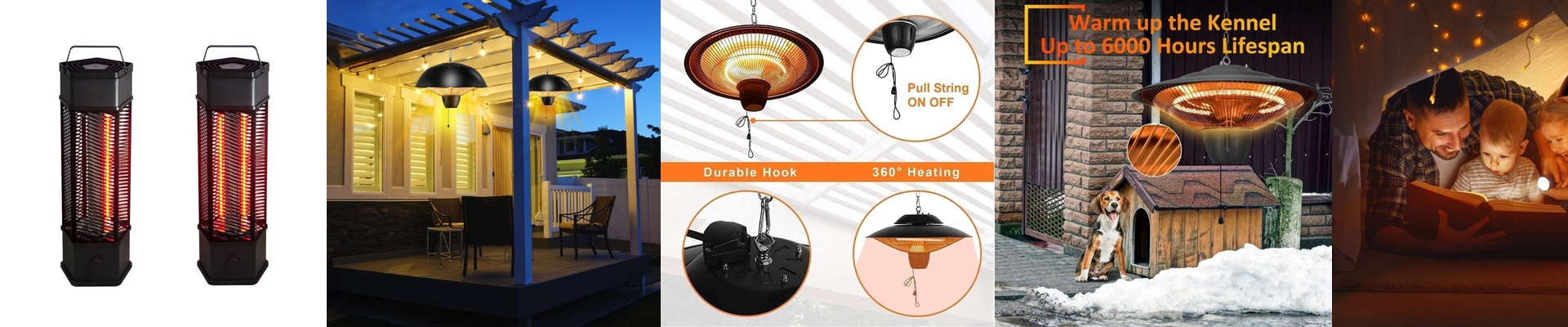
Here’s the thing about mold: it loves stagnant, damp air. Standard heaters just warm up the air. The problem is that the air gets warm, but the walls stay cold, and that’s exactly how you get condensation. Our infrared lamps work differently. They use short-wave radiation to hit the surfaces directly. It creates a quick jump in temperature on your walls and ceilings. When those surfaces stay warm, the humidity drops and water can’t cling to the walls. It’s basically a way to keep the room dry without having to listen to a loud, annoying exhaust fan humming in the background.
The Guts of the Hardware
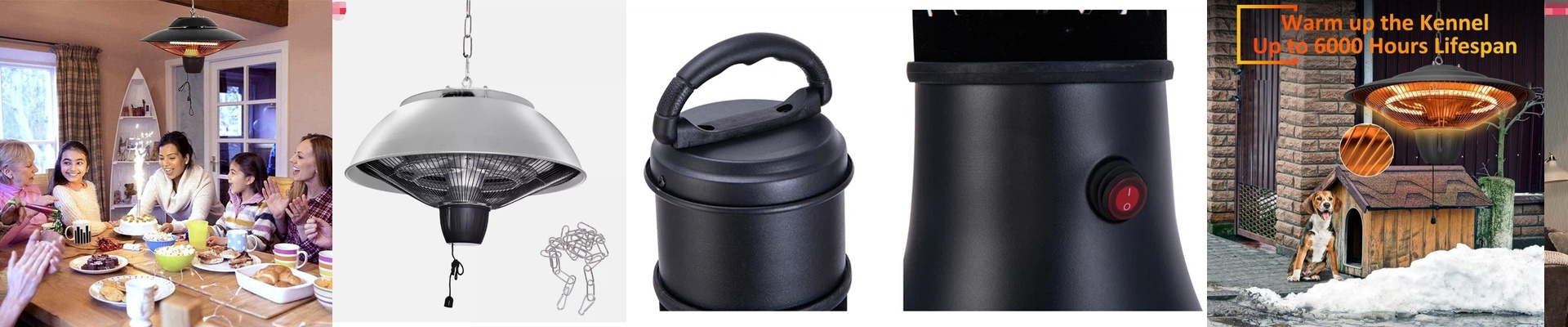
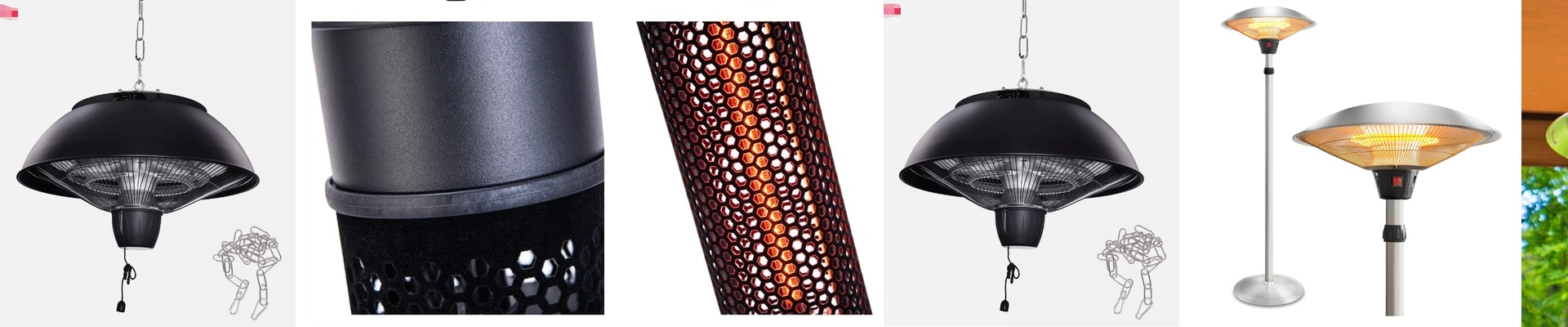
Water and electricity are a dangerous mix. We don’t mess around with that. Our units are built to IP44 standards. In plain English? The housing is sealed up tight against splashes from any direction. We also use quartz glass. This is a big deal. If you splash cold water on a hot, cheap lamp, it’ll crack. Quartz doesn’t do that. We’ve also used heat-resistant wiring so the connections don’t fry after a few months of use. It’s built to last.
A Quick Heads-Up on Installation
One thing to keep in mind: these lamps pull a lot of power. You can’t just plug these into a random outlet or daisy-chain them together. You’ll need a dedicated line. If the wiring is too thin, you’ll get a voltage drop. That means the lamps won’t hit the right frequency, and you’ll end up with a lot less heat. Just make sure your electrician uses the right gauge wire for the total wattage you’re installing. It’ll save you a huge headache later.