Keeping Wet Zones Warm Without the Headache
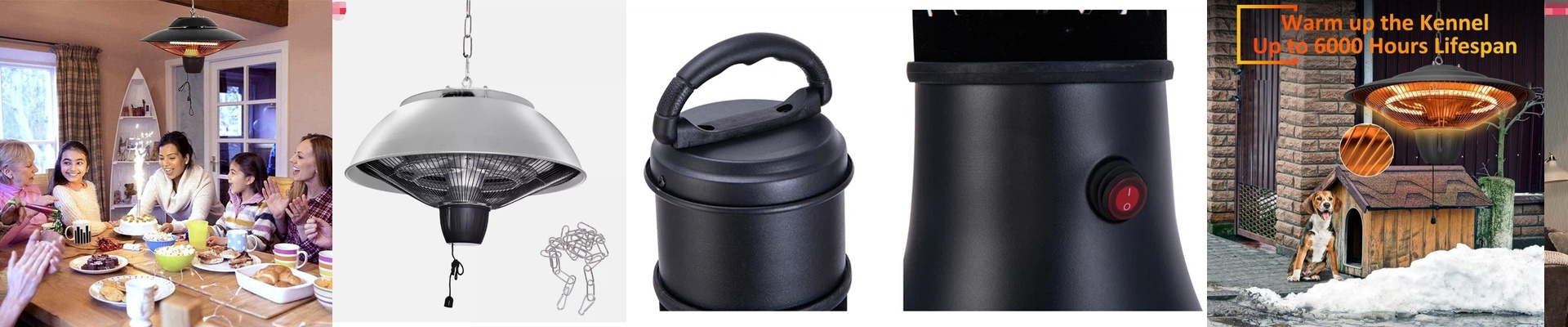
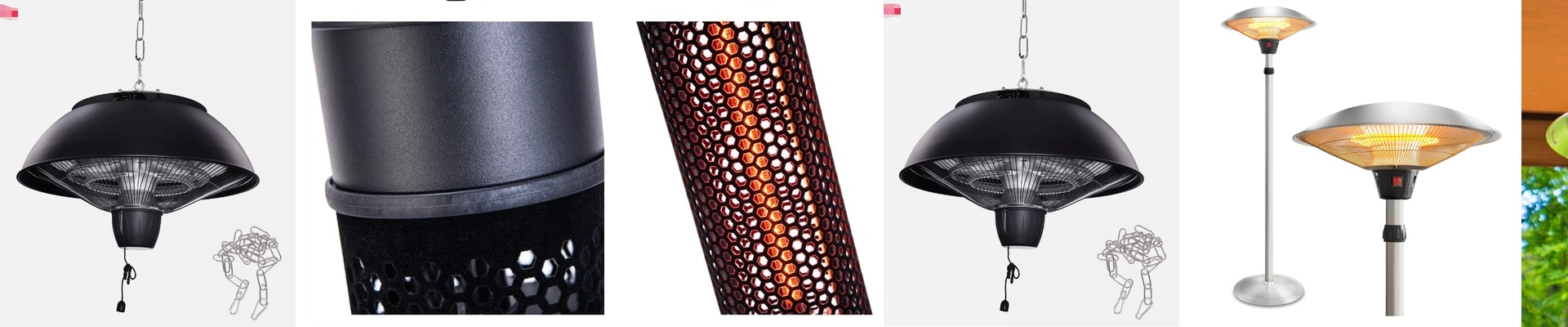
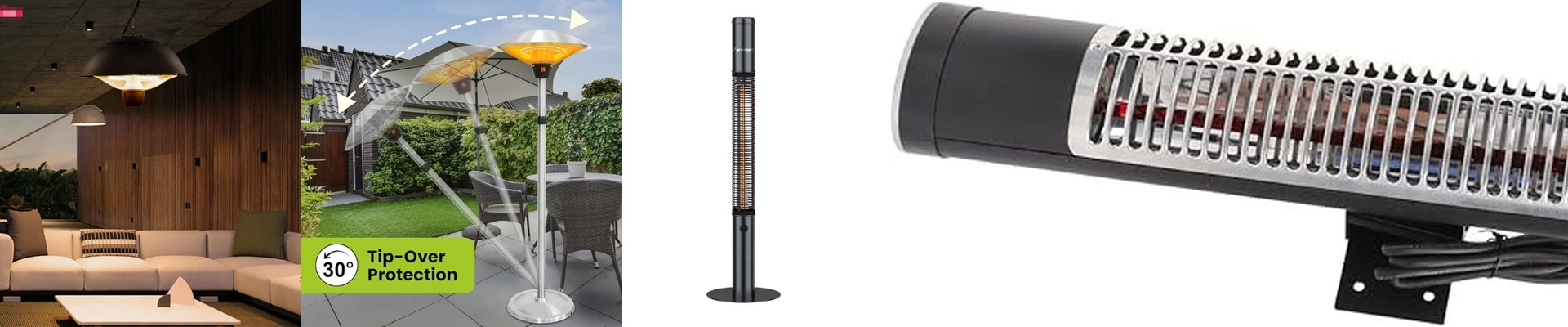
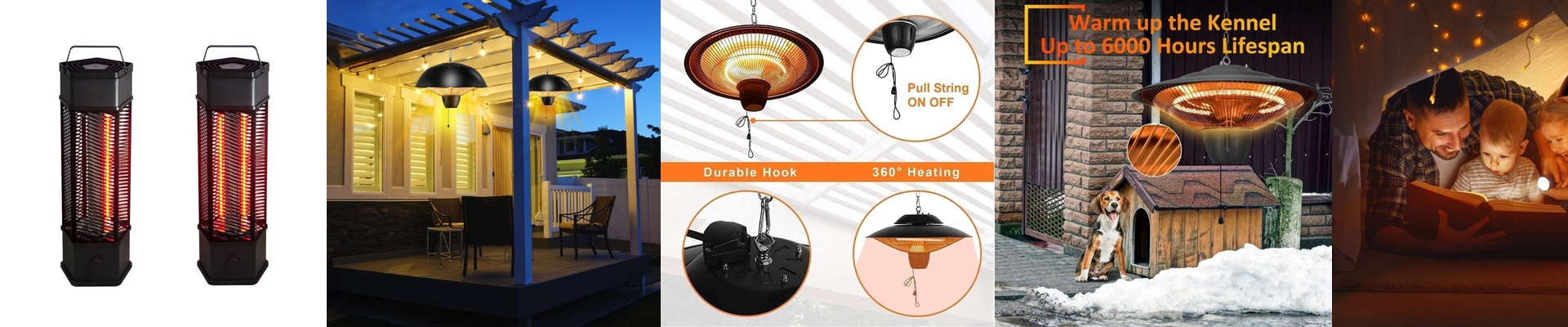
Let’s be honest: changing rooms and shower areas are usually freezing. If you try to use a standard heater in those spots, you’re fighting a losing battle. They take forever to warm up the air, and the humidity usually kills them pretty quickly. That’s why we stick with shortwave infrared. Instead of trying to heat the entire room—which is basically impossible if there’s a draft—these heaters go straight for the people. You feel the warmth the second you step under them. It’s like stepping into a patch of sunlight on a winter day. The “Waterproof” Part In a locker room, water is everywhere. Sprays, splashes, steam—it’s a mess. We use an IPX5 rating here, which is just a fancy way of saying the heater is sealed tight. We use heavy-duty gaskets and sealed cable entries so water can’t sneak inside. If moisture hits those electrical terminals, the whole thing shorts out or the heating element burns out way too soon. Nobody wants to deal with a dead heater in the middle of January. How the Heat Actually Works Inside these units are quartz tubes with tungsten filaments. The moment you flip the switch, they get incredibly hot. They send out shortwave radiation that actually sinks into your skin rather than just sitting on the surface. It’s fast. Really fast. And because they’re so powerful, we can keep the units small without losing any of the punch. You get a ton of heat without having a giant, clunky box hanging from your ceiling. A Few Things to Watch Out For You can’t just plug these into any old outlet and call it a day. These lamps pull a lot of power. If your wiring is too thin or your breakers aren’t up to the task, you’ll run into voltage drops or tripped switches. It’s worth double-checking your specs before you mount them. Also, remember that this is intense direct heat. Don’t mount them right next to plastic fixtures or anything that might melt or warp. Give them some breathing room. At the end of the day, it’s about making a cold, damp space feel welcoming. You put the heat exactly where the people are, and you stop wasting energy trying to warm up the walls.