Getting Glass Tempering Right Without the Shatter
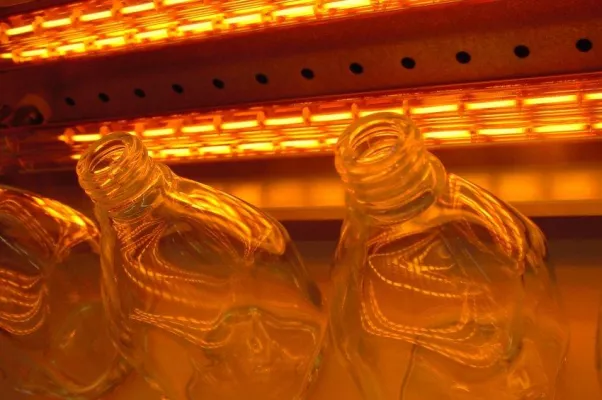
When you’re making glass vessels, you’re basically walking a tightrope. There’s a tiny window between the glass softening up and the whole thing just exploding. To hit that sweet spot, we use shortwave infrared (IR) lamps. They give us those sudden bursts of heat needed for tempering, but there’s a catch: if the surface gets too hot too fast while the inside is still cold, you get thermal shock. And that’s when things go south. The trick is in the timing. You can’t just blast the glass with heat and hope for the best. You need to be able to dial the power up and down—fast. That’s why we build these IR heaters for rapid cycling. By tweaking the wattage in real-time, we control exactly how much heat hits the surface. It keeps the outside from expanding way faster than the core. If your controllers are sluggish, you’re going to end up with stress fractures in your walls. Simple as that. To make this work, we use high-purity quartz and halogen gas. It’s the only way to let the filament run hot enough to penetrate the glass quickly without just burning itself out. We also pack a lot of wattage into a small space to keep the machine footprint from taking over your entire shop. But here’s a heads-up: pushing that much power through a short tube puts a ton of stress on your sockets. If you try to skimp on the wiring and don’t use heavy-duty, heat-resistant cables, your connectors will literally melt. A couple of things to watch out for. High-intensity IR heating is powerful, but it’s a bit of a blunt instrument. It gives you that instant tempering speed, but it’ll hammer your power grid. You need a rock-solid voltage supply. If your voltage dips during a cycle, you’ll get uneven tempering and a bin full of wasted glass. And don’t forget the cooling. These lamps bleed a lot of ambient heat. If your cooling system isn’t beefy enough to handle it, your control rack is probably going to trigger a thermal shutdown right in the middle of a run.