
Why Low Thermal Inertia is the Secret to Smarter Energy Savings
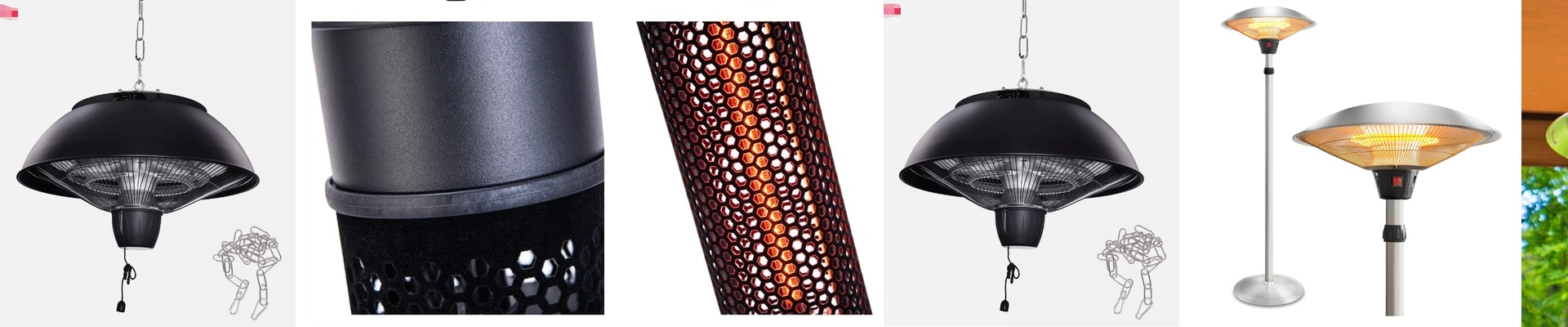
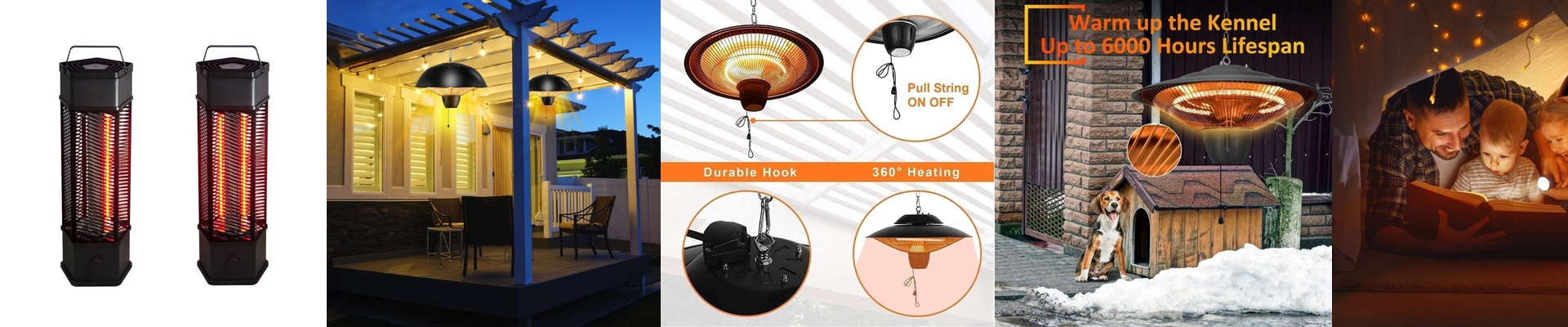
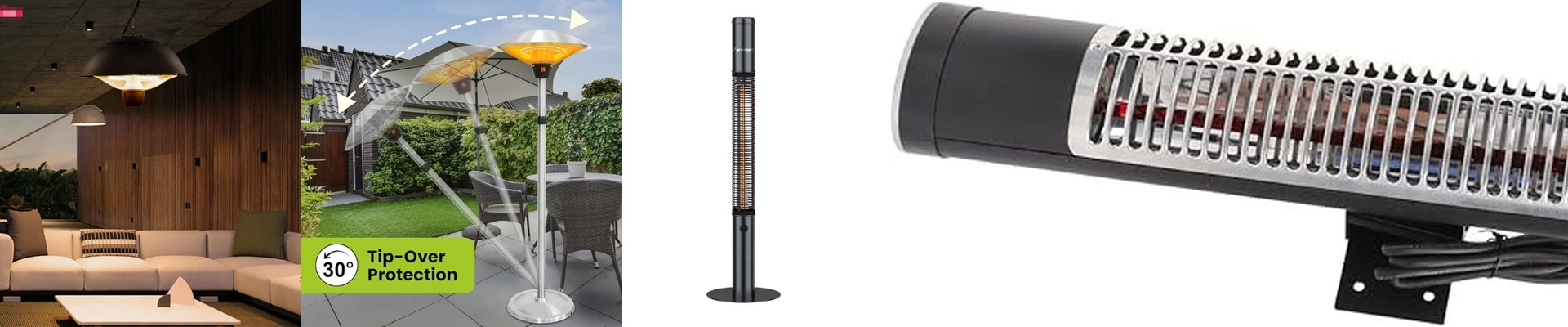
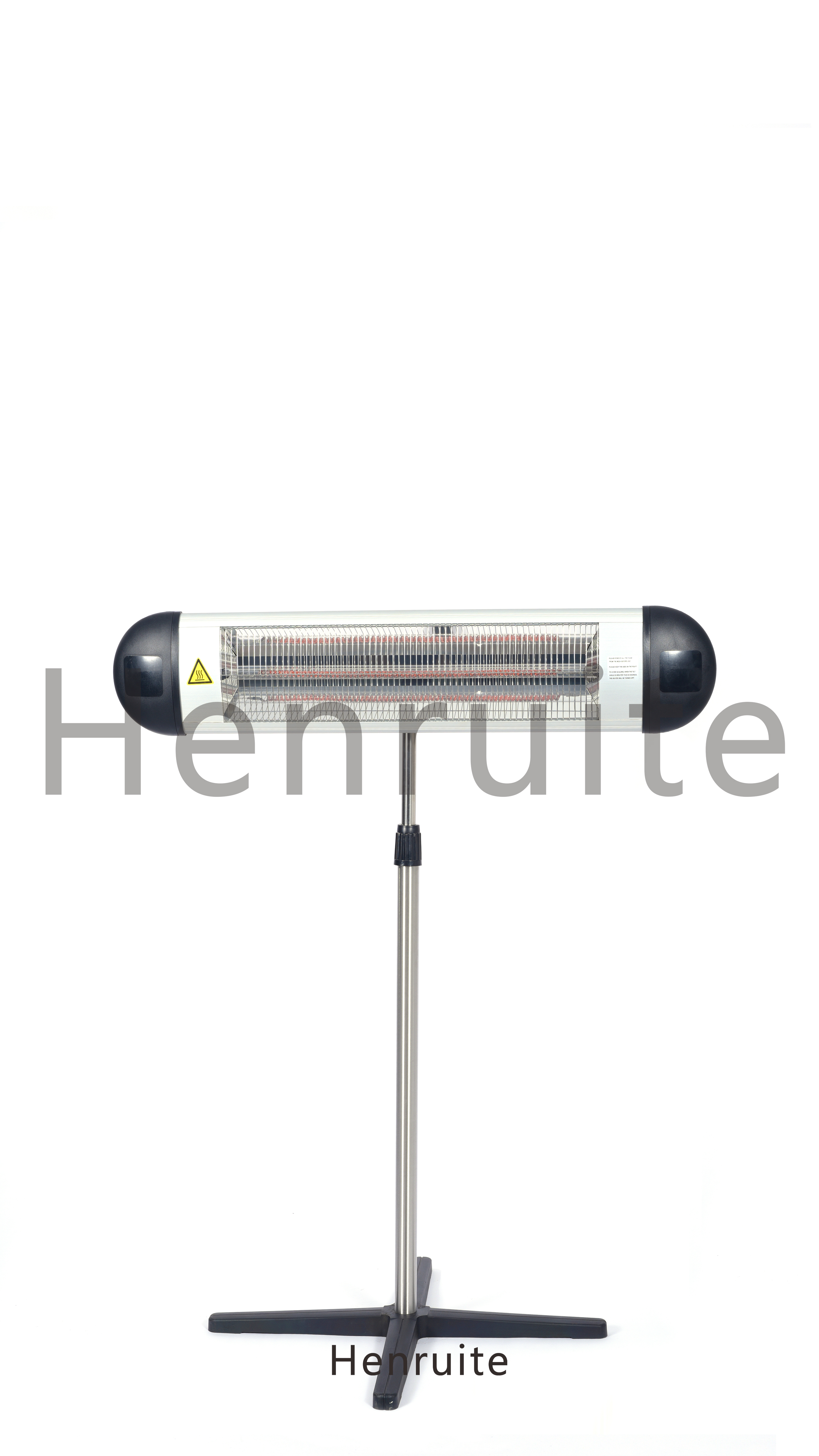
Here’s the thing about our travel electric heaters: we built them around one simple idea—low thermal inertia. What does that actually mean for you? It means the infrared heating element gets hot almost instantly. Seriously, seconds after you flip the switch, it’s pumping out full power. And that speed? That’s the heartbeat of a smart home climate system. No more waiting around for a heater to slowly, painfully warm up. It only draws power when someone is actually there and when the room needs heat. That translates straight into energy savings. Instead of running nonstop just to keep a temperature steady, the heater cycles on in quick, precise bursts. It’s on-demand, pure and simple. No wasted energy, no overheating.
The Secret Behind the Speed
Low thermal inertia basically means the element doesn’t hang onto heat. When the signal cuts off, it cools down fast. No lingering afterglow. That gives us tight control. It allows the heater to switch on and off rapidly, keeping pace with smart thermostats and occupancy sensors. In real life, that means you use less power. No more heating empty rooms. The heat shows up exactly where and when you need it, with zero lag.
The Trade-offs and How We Make It Work
Achieving that lightning-fast response means using a compact, high-efficiency infrared element. It throws out intense, focused heat—but it does require some smart planning. That rapid cycling puts extra work on the electrical components. So, we use heavy-duty relays and build in proper inrush protection to keep everything safe. And because the heat is concentrated, we have to manage the space around it. Proper airflow and spacing keep nearby parts from getting too hot. When you get the details right, the trade-off is totally worth it. You get responsiveness and control that make smart climate systems actually work the way they’re supposed to. For engineers, this heater isn’t just a heat source. It’s a controllable part of the system. That low thermal inertia turns climate control into something precise, energy-smart, and just plain effective.