
Why High-Quality Infrared Heaters Make Offices Feel Better—and Cut Down on Winter Sniffles
We built our industrial-grade infrared heaters for one simple reason: to put heat where people actually feel it, without sending air all over the place. In an office, that means folks stay warm right at their desks—no drafts kicking up dust and germs.
How It Works: Fast, Direct Heat That Makes Sense
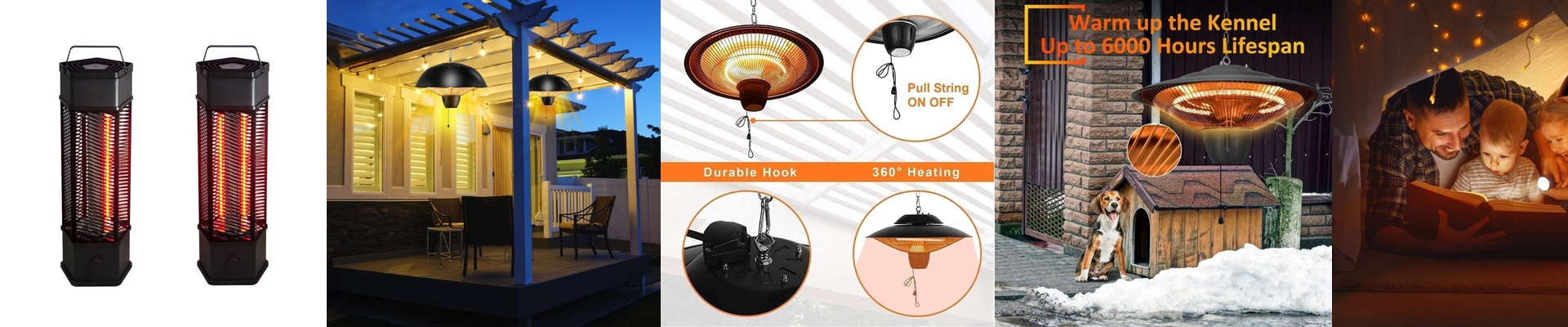
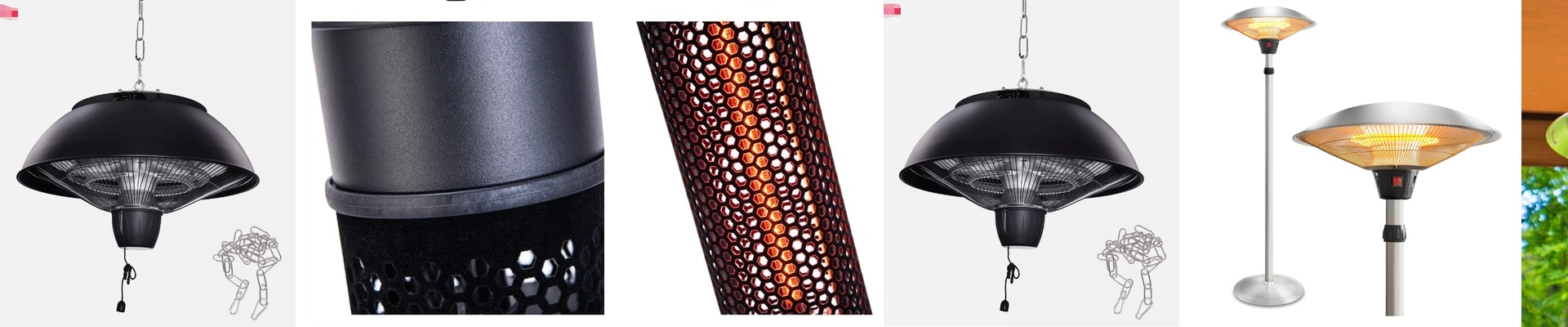
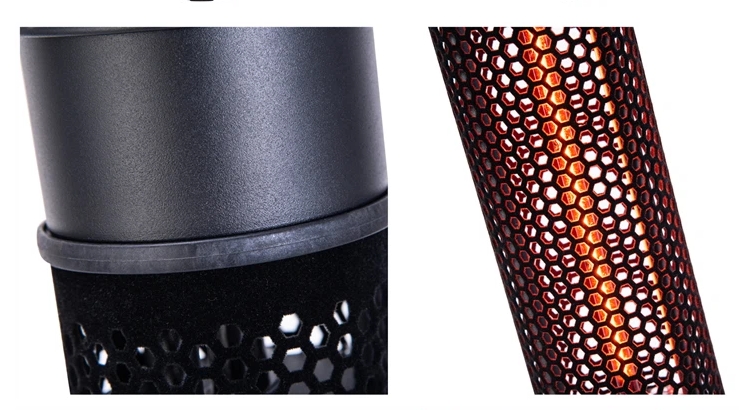
At the heart of these units is a shortwave infrared halogen element. We size the whole system around how much heat a space actually needs, then match the lamp to the circuit. The wattage and voltage set the output, so you get consistent heat density across the element. This isn’t about slowly warming the whole room. It’s direct radiant energy. It warms people and surfaces first, so you feel the comfort immediately. And it’s quick. The halogen lamp hits operating temperature fast. When the room fills up or empties, the system responds on the spot. That helps keep temperatures steady, without that hot-then-cold swing that makes everyone fuss.
Built to Last: The Materials That Keep It Reliable
We use a halogen-filled quartz envelope because it handles high heat and stays steady over time. The halogen cycle keeps the element cleaner, so you don’t lose output to blackening. That matters when the lights are cycling on and off with occupancy controls. Installation is straightforward, too. We stick with proven connectors like R7s and SK15—compact, standardized, and made for the heat and vibration you get in industrial fixtures. They make wiring simpler, cut down on hot spots, and make lamp swaps quick when it’s time for maintenance.
What It Feels Like in an Office: Warm People, Cleaner Air
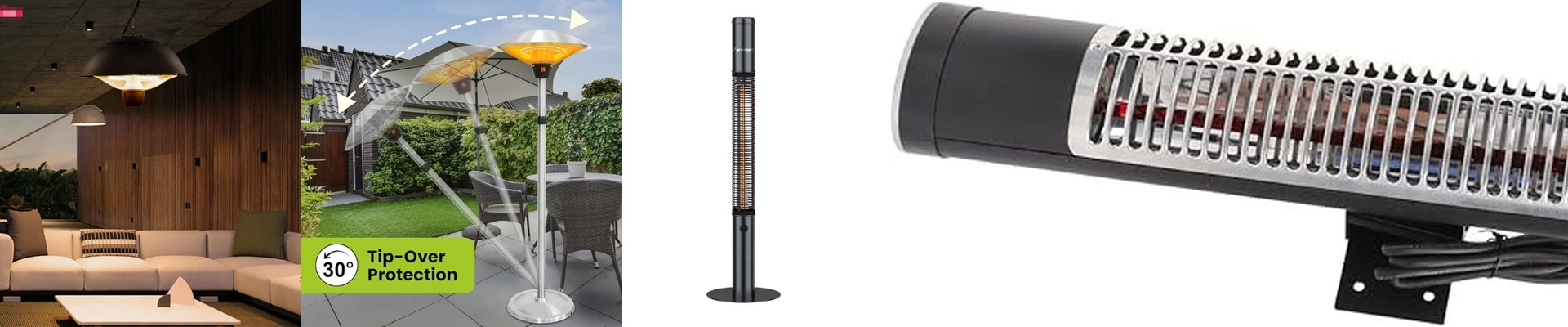
Comfort isn’t just about the number on the thermostat. It’s about what’s moving through the air. Forced-air heating stirs up dust and particles, and that can mean more winter colds. Infrared heats people directly, so you can run the ambient air a little cooler and still keep everyone comfortable at their desk. That lower air temperature helps with energy use, sure. But it also smooths out the temperature swings that lead to complaints. When comfort stays steady, you get fewer interruptions, fewer calls about the thermostat, and fewer cold-weather absences. Now, radiant heat does have one condition: it works best with good line-of-sight. No one wants to sit in a cold shadow. So you plan coverage carefully—matching lamp output with smart placement. Do that, and you get even, dependable warmth.