


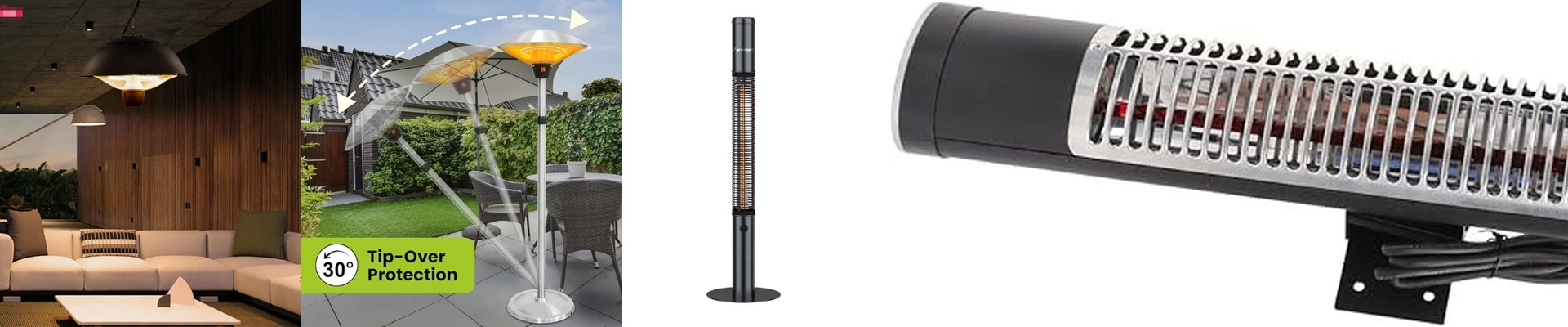
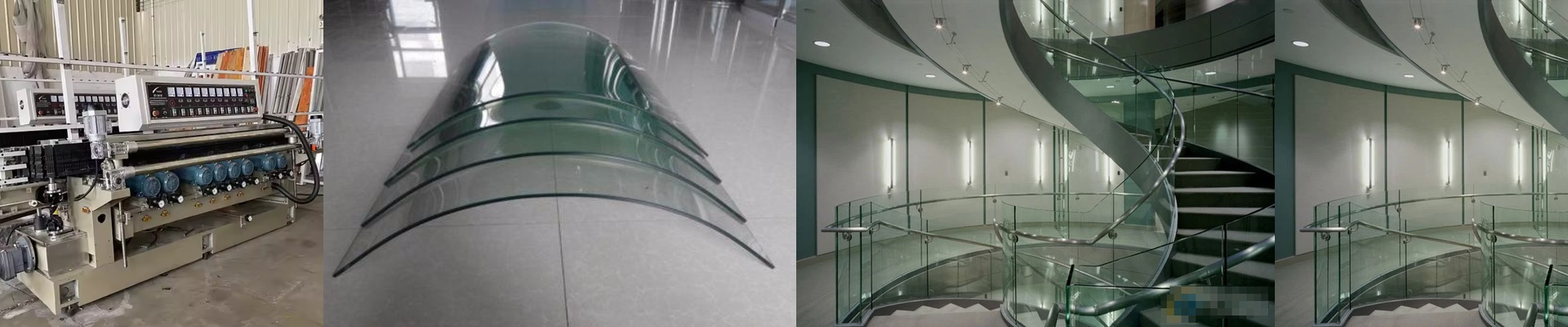
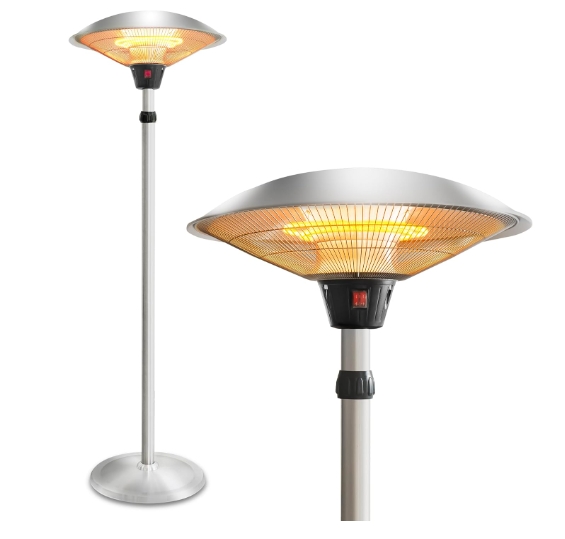
The Non-Negotiable Rule: Every Heater Gets Put Through Its Paces
We make infrared heaters that people rave about. But that praise doesn’t come from flashy marketing. It comes from a hard-and-fast rule on the shop floor:every single unit has to survive a full-power aging burn-in before it ever leaves our plant. No sampling. No shortcuts. We run each heater flat out, under full load, to force out any weak spots before they can ever reach your production line. What does that give you? Predictability. A heater that fires up fast, holds steady, and doesn’t start drifting or shutting down after the first shift. We gladly pay the extra time and energy because it means fewer warranty headaches and uptime you can count on.
Let’s Talk Power: What Makes These Heaters Tick
An infrared heater isn’t about warming a room. It’s a tool—built to deliver intense, controlled heat exactly where you need it. And the electrical specs are what make that happen. We set the heater to run at a specific voltage, with a full-power rating that gives you predictable watt density. That wattage translates directly into the heat hitting your target. Get the voltage matched to your facility, and you avoid the dips that mess with performance. Size matters, too—because heating is a geometry problem. Tube length and focal distance shape the heat pattern and intensity. If you size the heater wrong, you either leave parts cold or end up heating the machine itself.
Built to Take the Heat—Again and Again
The core is built for thermal shock. The tube can handle rapid heat-up and repeated on-off cycles without cracking. The halogen element keeps output steady over time by managing the filament under high heat. And the coating? It’s not just looks. It controls emissivity and shields the quartz from contamination that would otherwise dull performance and cut the heater’s life short. Connectors are where a lot of things can go wrong, so we treat them seriously. We use tough, high-temp connections that stay tight even with vibration and thermal expansion. They make wiring simpler, cut down on hot-spot resistance, and make swapping heaters during maintenance quick and clean. A replacement should just drop in—and stay put—without loosening after a few heat cycles.
Real-World Use: Focused Heat, No Guesswork
In industrial work, infrared heaters shine at spot heating, curing, drying, and pre-heating. You get a lot of heat in a small footprint, which is perfect when space is tight and you need fast temperature response. That power comes with a trade-off: high density means you need to manage the surrounding heat. Cooling, shielding, and thermal design have to keep up with the heater’s output. And because every unit has already survived full-power aging, you can commission with confidence. You know it will perform as specked from day one. We don’t ship on wishful thinking. We ship on proof from a 100% burn-in.
The Final Check: Quality You Can Feel
Full-power aging is our last line of defense. It catches weak components, shaky solder joints, and connector issues that might pass a quick continuity test but fold under real heat. That’s how we keep field failures low. For you, it means fewer surprise stops and fewer late-night service calls. For us, it means standing behind every unit that walks out the door.