Building the Next-Gen In-Wall Electric Fireplace: The Real Story Behind Smart, Adaptive Heat
Let’s talk about moving past those old, one-note heaters. The real challenge? Creating an in-wall electric fireplace that doesn’t just get warm—it gets smart. It reads the room. We’re talking about a system that’s less about looks and more about pure, precise control. And it all comes down to one thing: an infrared heater that doesn’t just pump out heat, but thinks about where it’s going.
The Power Behind the Warmth
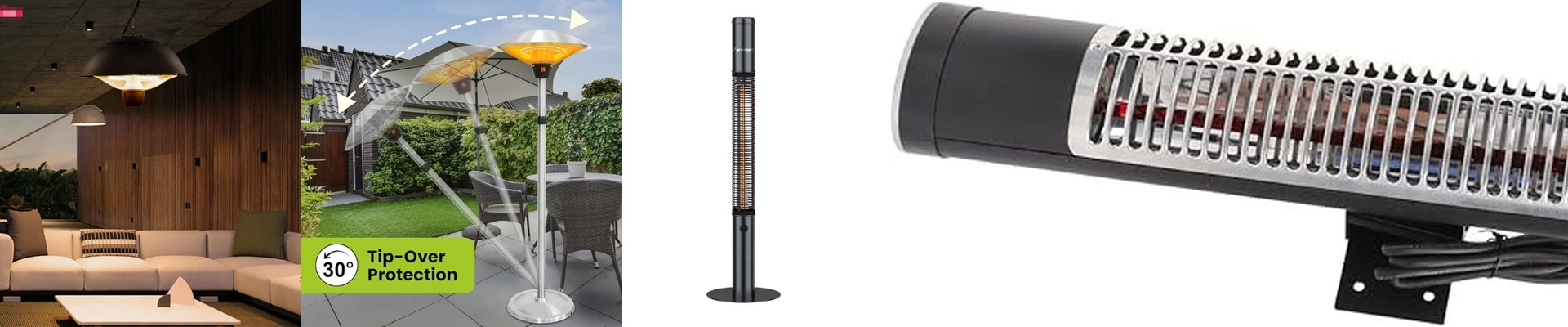
At the heart of this thing is a high-density infrared heating tube. We’re talking serious power in a tiny space. These tubes run on high voltage, typically 400V, to deliver a solid 2500W of heat packed into a short, 300mm tube. It’s a tight squeeze, but that’s the whole point. You get a massive amount of heat without taking up a ton of room, which is perfect for in-wall installs where space is a precious commodity. But here’s the catch. With that kind of power comes intense heat. The enclosure around it has to be built to handle it. Proper airflow and heat dissipation aren’t optional—they’re essential. Without them, the unit and everything around it will get fried.
The Rugged Core and the Simple Connection
The heating element itself is a halogen-filled quartz tube. Forget the idea of a fragile light bulb—this thing is a workhorse. The halogen cycle keeps the filament clean, which means a longer life and consistent, reliable output. The tube is also coated to focus the infrared energy right where you need it, so you’re not wasting heat. And for the connection? We use an R7s connector. It’s a standard industrial fitting, built tough. It handles the high current without getting hot and gives you a secure, reliable connection. The best part? It makes the unit a simple, drop-in replacement for existing systems, which means easier wiring and less hassle on the job.
The Payoff: Smart, Efficient, and Exactly What You Need
This whole setup was built for engineers who want fast, targeted heat. The main use is in-wall heating, sure, but the real magic is in the “environment-adaptive” control. By adding smart sensors, the unit can adjust its output based on what’s happening around it and what you want. It sends infrared warmth directly to objects and people, not just the air. That’s a huge win for energy efficiency. For you, that means a system that’s clean to spec out, a breeze to install, and gives you controllable heat without having to overhaul the entire room’s HVAC. It’s a practical, reliable solution for getting the heat exactly where you need it, when you need it.