


Dealing with Voltage Headaches in Glass Bead Annealing
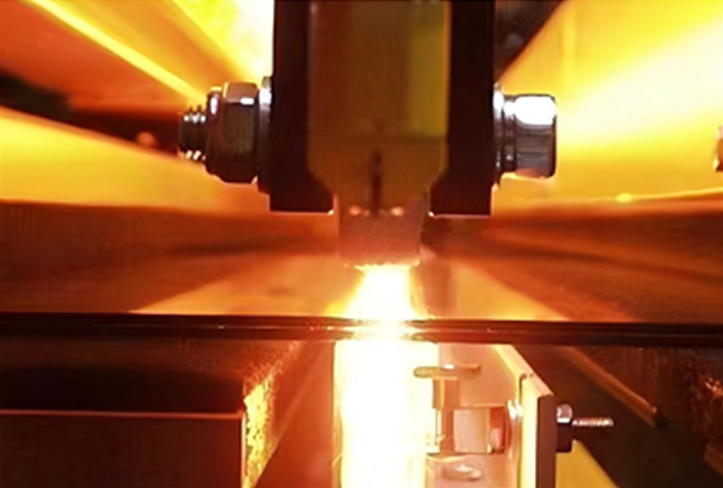
When you’re annealing glass beads, it’s all about the balance. You need enough heat to get rid of those internal stresses, but not so much that you melt your perfect sphere into a blob. We use shortwave IR lamps to get the job done. But here’s the real kicker for engineers: the heat is the easy part. The nightmare is the power grid.
The 110V to 575V Mess
Depending on where you are in the world, the industrial standards are all over the place. If you take a lamp built for 110V in the US and plug it into a 480V or 575V line in Canada or Europe, it won’t just fail. It’ll pop instantly. That’s why we build our IR heaters to actually match the grid you’re using. Now, going with a 575V system has its perks. You pull less current for the same amount of power, which means you can get away with thinner wires and smaller breakers. It keeps things lean. But there’s a catch. High voltage loves to arc at the terminals. You’ve got to make sure your housing is grounded and your connectors can handle a sudden spike, or you’re asking for trouble.
No Shortcuts, Just Engineering
Some people try to cheat the system with transformers. We don’t do that. Instead, we tweak the actual guts of the lamp—the tungsten filament density and the thickness of the quartz envelope—so it can handle the specific electrical load of your region. Whether you’re running a small lab setup at 110V or a massive production line at 480V, the lamp is built for that specific plug. Plus, by matching the voltage to your local grid, you can ditch those bulky external step-down transformers. Your machine takes up less floor space, and you have one less piece of gear that can break down in the middle of a shift.
Making it Work
We designed these heaters to be simple drop-in replacements. You pull the old tube, swap in the new one, wire it to your controller, and you’re back in business. Just a heads-up: high-wattage tubes put out an intense amount of heat. If you go for a high-voltage, high-output lamp, make sure your cooling fans and shielding are up to the task. If they aren’t, you’ll end up warping your mounting brackets, and that’s a headache you don’t want.