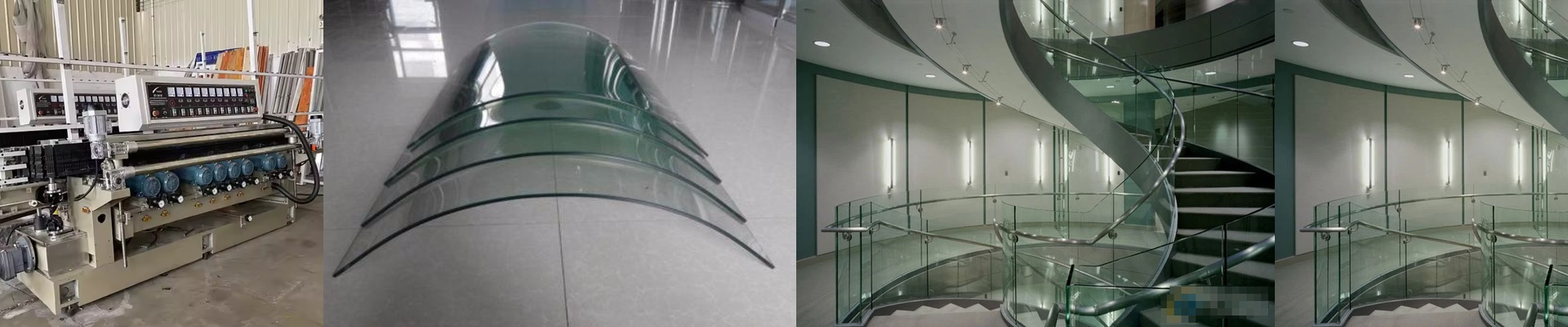

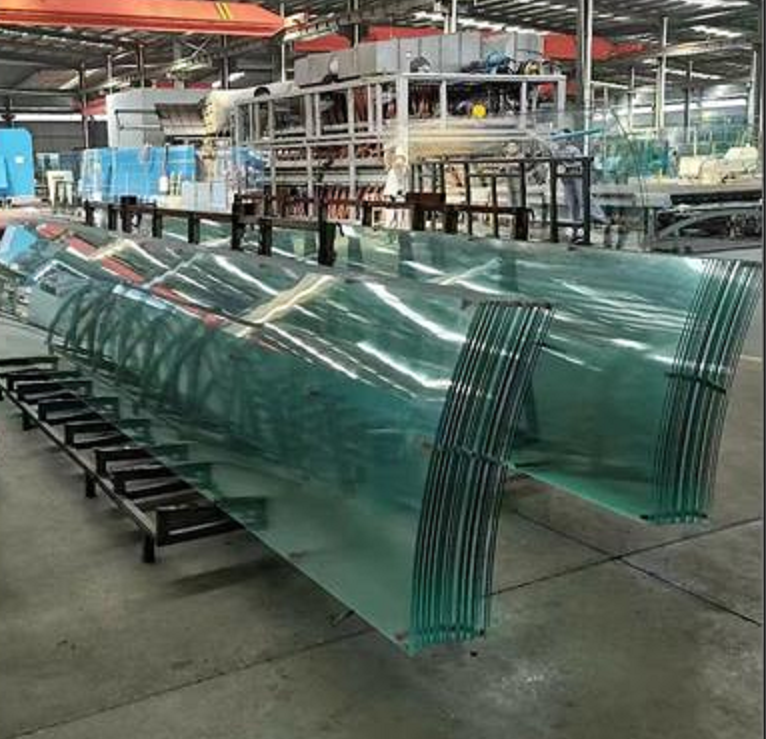
On the bending line, timing and temperature are everything. The furnace is hot, the mold is set, and the glass needs to take shape without optical distortion or thermal stress. If the bending lamp starts underperforming, the whole sequence stretches out—heating lags, cycle times climb, and you’re suddenly chasing scrap. In high-power glass bending, the reflector isn’t just a passive piece. It’s the interface between electrical input and the thermal profile that actually shapes the glass. We built this reflector for glass bending lamps to deliver predictable heat at industrial power levels, with an eye on energy use and stable output. This isn’t cosmetic. It’s a practical way to cut kWh per cycle, keep the thermal field uniform, and stretch service intervals without reworking your process.
What matters, technically
On a bending line, the reflector has to manage high-intensity radiation and hold a consistent thermal pattern across the glass. The core is short-wave or medium-wave infrared elements, paired with a high-reflectivity, thermally stable reflector surface. The geometry is engineered to focus radiant energy onto the glass and keep stray heat from wasting energy and cooking the area around the line. Specs were chosen for production reality:
- Power handling for high-output lamp modules, supporting the fast ramp rates throughput needs.
- High-temperature stability in the reflector material, so it keeps its shape and reflectivity cycle after cycle.
- Dimensional compatibility with common bending lamp assemblies, so it drops in without redesigning the machine.
- Secure electrical connections and thermal interfaces that survive plant vibration and thermal expansion. When it’s right, you get stable emissivity, repeatable heating curves, and a thermal field with fewer hot and cold spots. The lamp heats quickly, holds setpoint, and responds predictably when glass thickness or shape changes.
Why it works in the real world
Bending is a high-energy operation. You run long hours, often at high power, and the heating system is one of the biggest energy draws on the line. A reflector that improves energy efficiency lowers operating cost without forcing you to slow down. In practice, it shortens the time to hit bending temperature and reduces the hold power needed to maintain it. Better thermal coupling means the lamp does less work to deliver the same heat, so kWh per shift drops. That shows up on utility bills and eases the heat load on plant HVAC and cooling. It also improves quality. Uniform heating lowers the risk of thermal stress and optical distortion, which means fewer rejects and less rework. When heating is consistent, you can run tighter process windows and keep the line moving at a steady pace. And it keeps maintenance manageable. The reflector is built to handle repeated thermal cycling and hold reflectivity, which pushes out the interval between lamp module replacements. Fewer changes mean less downtime, fewer spares on the shelf, and less labor tied up in routine swaps.
What you need to know
This reflector is engineered for high-power, continuous operation. It fits standard bending lamp fixtures, but fit depends on the specific lamp module and machine design. Before installation, verify dimensions, mounting points, and electrical connections. On some older lines, minor adapters may be required. Because it’s optimized for high efficiency at high power, the reflector runs hot. Make sure you have adequate airflow and clearance around the module to keep performance stable and protect nearby components. If space is tight, plan the layout so convection works and adjacent parts don’t soak up heat. Energy savings will vary with line speed, glass type, and duty cycle, but the intent is straightforward: get more usable heat per watt and keep the thermal profile under control. If you’re running high-power bending on long shifts, this reflector is a practical way to cut energy use while keeping the process stable and the glass moving.