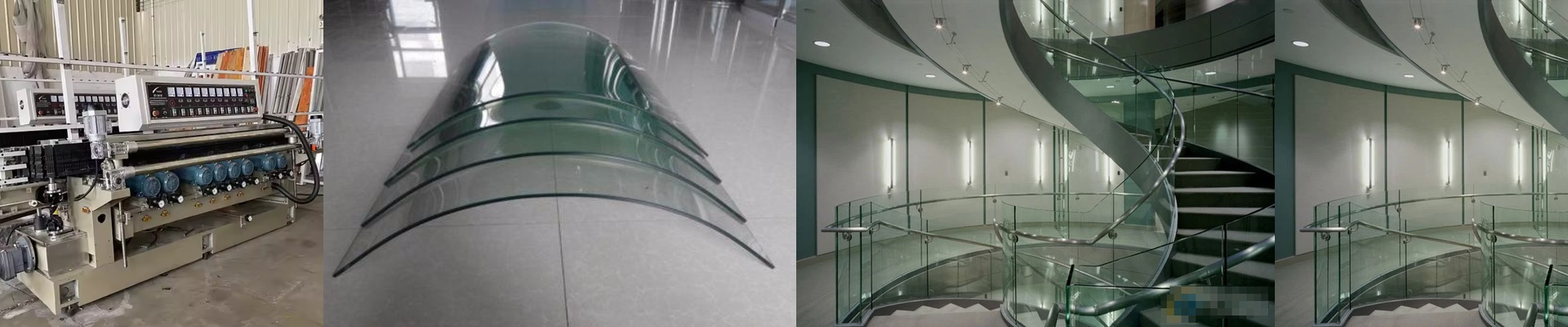
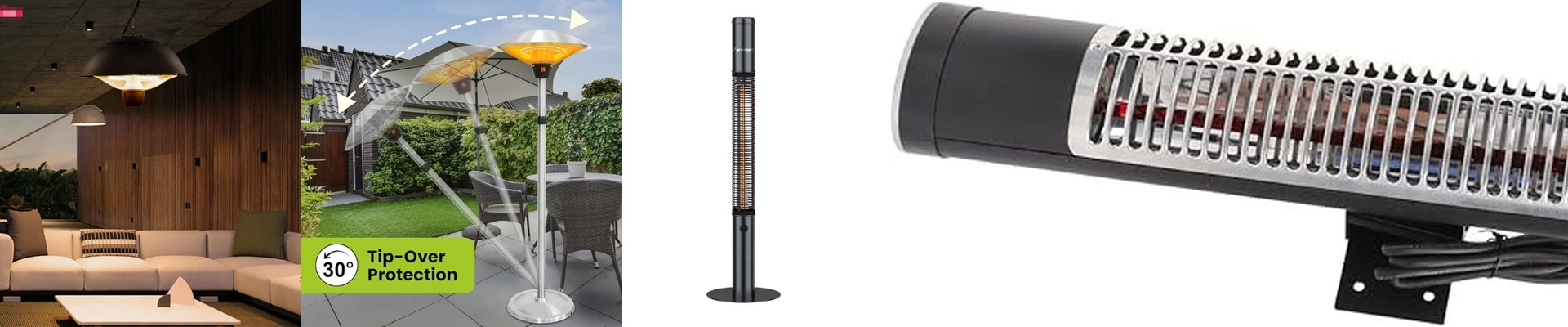
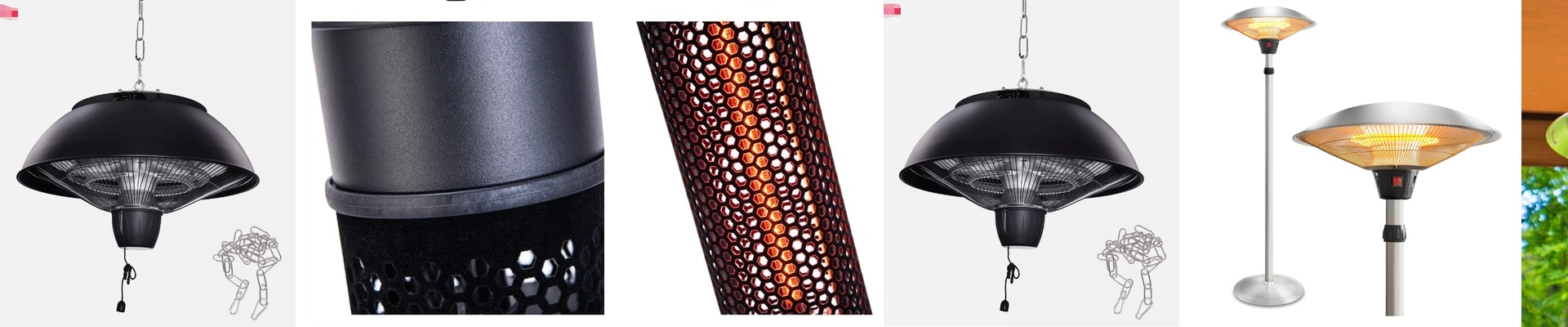
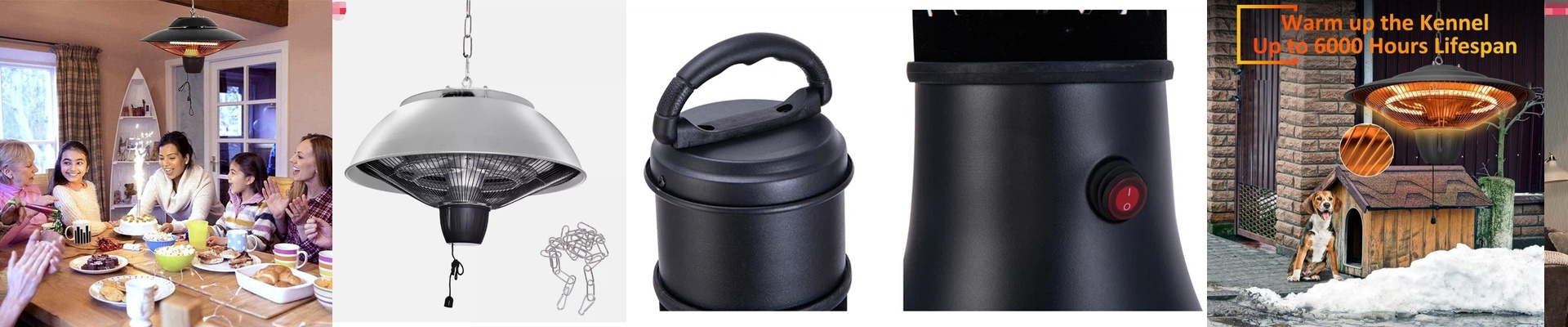
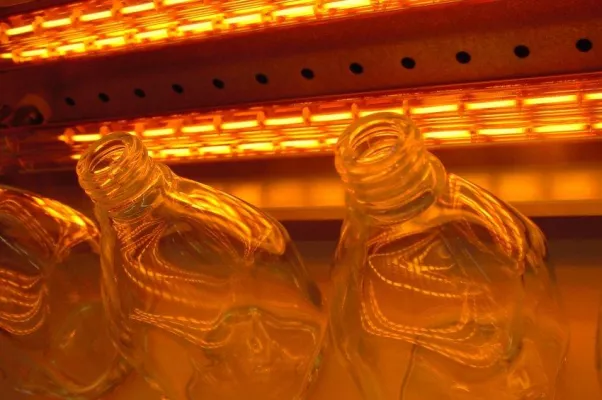
Out on the line, acid-etched glass comes out of the bath with a thin film of moisture that has to go—completely. If the dryer can’t keep up, you get haze, uneven surface energy, and adhesion issues downstream. That scrap hits your margins fast. We built this dryer to strip that moisture quickly, without driving the glass body so hot that you invite thermal stress. What matters under the hood We lean on short-wave infrared (IR) quartz emitters. They deliver fast, directional energy that hits the water film without soaking the substrate. The bulk stays closer to ambient, so you’re less likely to crack glass on handling due to thermal shock. The heater array is laid out to give a uniform thermal field across the full glass width. That narrows the dry-edge/wet-edge gap and makes the process repeatable. Power density is matched to line speed, and the controls hold setpoint stability even when the load changes. Maintenance is straightforward: the emitters are modular, so you can swap one out without tearing down the whole tunnel. Downtime is measured in minutes, not a full shift. Why this fits the real flow Drying acid-etched glass isn’t just a generic bake. It has to sit cleanly between rinsing and whatever comes next—coating, bending, tempering, lamination, or insulating glass assembly. This unit keeps pace with high-throughput glass lines, cutting dwell time without pushing temperatures into unsafe territory. The payoff is fewer reworks, higher first-pass yield, and less gas or electric per square meter. The same heating profile also pulls double duty around the plant: coating drying, adhesive activation, and preheat for lamination or insulating glass sealing. One machine, multiple process roles. What you need to get right Installation comes down to line alignment and airflow management. If airflow is off, you’ll see localized hot spots. Glass with deeper etch textures may need a slightly longer dwell window so the recessed areas dry out fully. Match the dryer to your conveyor width and line speed, then tune the temperature ramp and hold zones to the glass thickness and etch profile. Get those details dialed, and the dryer stops being a bottleneck and starts acting like a stable step in the process.